Can You Microwave Saran Wrap: Safe Usage Guide
Yes, you can microwave saran wrap only when its label says it is microwave-safe.
The short answer has an important detail: not every plastic wrap is made for microwave heat. This guide explains how to check the label, use Saran Wrap safely, avoid common mistakes, and know when a glass lid or paper towel is the better choice.

Can You Microwave Saran Wrap?
You can microwave Saran Wrap when the package clearly states that it is microwave-safe. Many modern plastic wraps are designed for short microwave use, but product instructions can vary by brand, country, and product type.
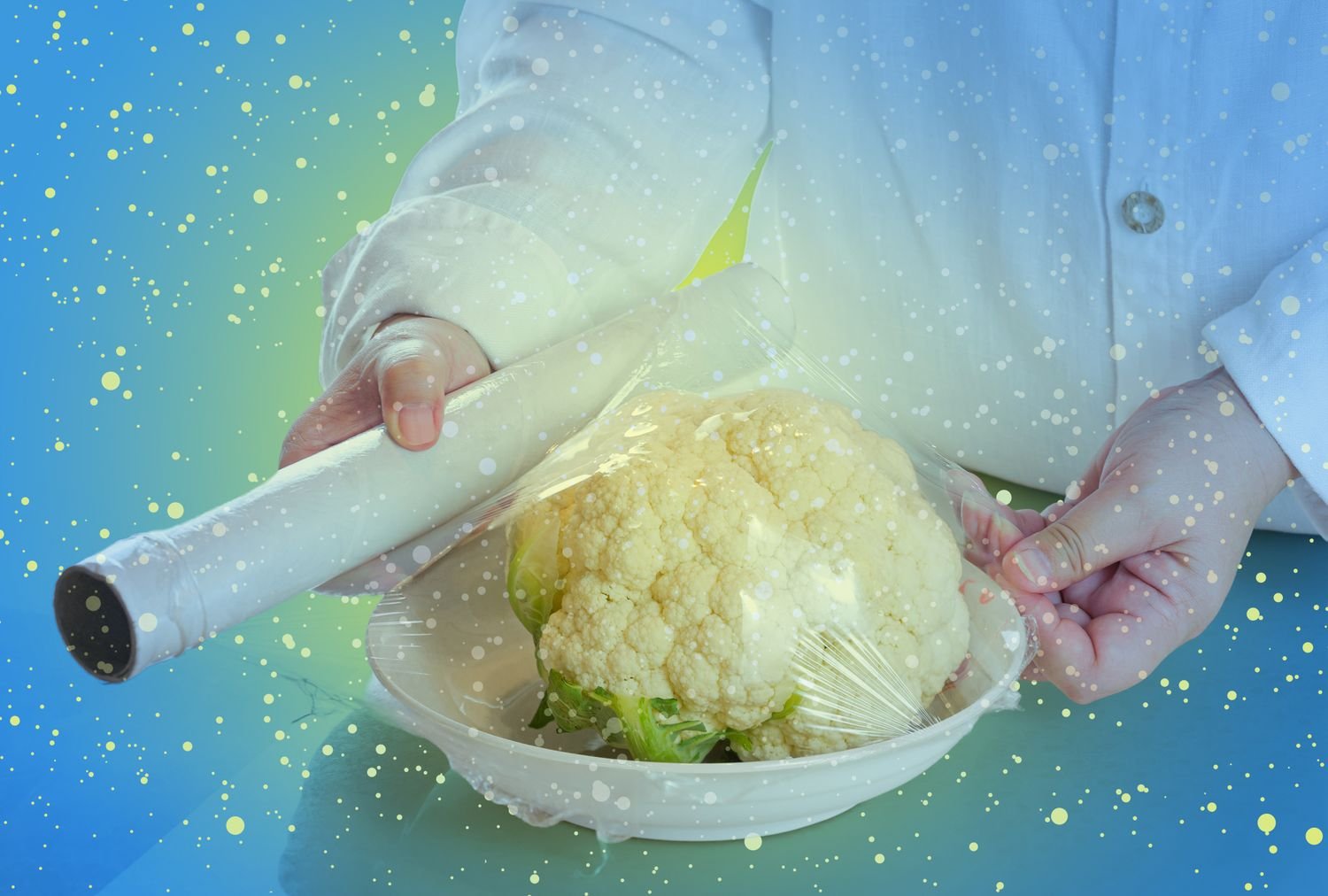
Saran Wrap should cover food loosely. It should not touch the food, especially food that is very hot, oily, or high in sugar. Direct contact can make the plastic soften, melt, or stick.
Before using it, check the package for terms such as:
• Microwave-safe
• Safe for microwave use
• Suitable for reheating
• Directions for venting or leaving a corner open
If the package gives no microwave instructions, choose a microwave-safe plate, glass lid, or paper towel instead. When in doubt, do not use the wrap.

How to Use Saran Wrap in the Microwave Safely
Using plastic wrap in the microwave is simple when you follow a few basic steps. Think of the wrap as a loose cover, not a sealed container.
-
Place the food in a microwave-safe bowl or plate.
-
Pull the Saran Wrap over the top.
-
Leave a small gap or lift one corner to let steam escape.
-
Keep the wrap above the food when possible.
-
Heat the food in short periods.
-
Remove the cover carefully because hot steam may escape.
A loose cover helps keep food moist while allowing steam to vent. A sealed sheet can trap pressure, much like a balloon filling with air. The container may spill, and the wrap can pull inward toward the food.
For the safest setup, use a deep bowl with enough space between the food and the wrap. This is especially helpful with soups, sauces, rice, and foods that bubble as they heat.
Why Saran Wrap Can Be Risky in the Microwave
Microwave heat does not affect every food in the same way. Water-based foods may warm slowly, while fatty or sugary foods can become extremely hot in small areas.
Plastic wrap may become unsafe when:
• It touches very hot food
• It covers greasy foods for a long time
• It is used at high power for an extended period
• It traps steam in a sealed dish
• It is placed over food that splatters or bubbles
• It is old, torn, or not designed for microwave use
Fat and sugar can reach higher temperatures than boiling water. That is why melted cheese, butter, caramel, and oily sauces deserve extra care. Even if the microwave setting is low, these foods can heat the wrap more than expected.
A safe label does not mean the wrap can handle unlimited heat. It means the product passed the maker’s intended use conditions. Follow the package directions rather than treating microwave-safe plastic wrap as heatproof.

Does Saran Wrap Melt in the Microwave?
Saran Wrap can soften, shrink, or melt if it gets too hot. The risk increases when the wrap touches hot food or stays in the microwave for a long heating cycle.
If the wrap becomes sticky, warped, torn, or visibly damaged, stop using it and discard it. Do not scrape melted plastic from food and continue eating the food. The safest choice is to throw the food away.
A small amount of softening does not always mean that plastic has melted into the food. Still, it is difficult to judge exposure at home. When the wrap changes shape or sticks to the food, avoid taking chances.
This is one reason I recommend heating leftovers in short bursts. Stir the food between cycles, check the temperature, and replace plastic wrap with a microwave-safe cover when possible.
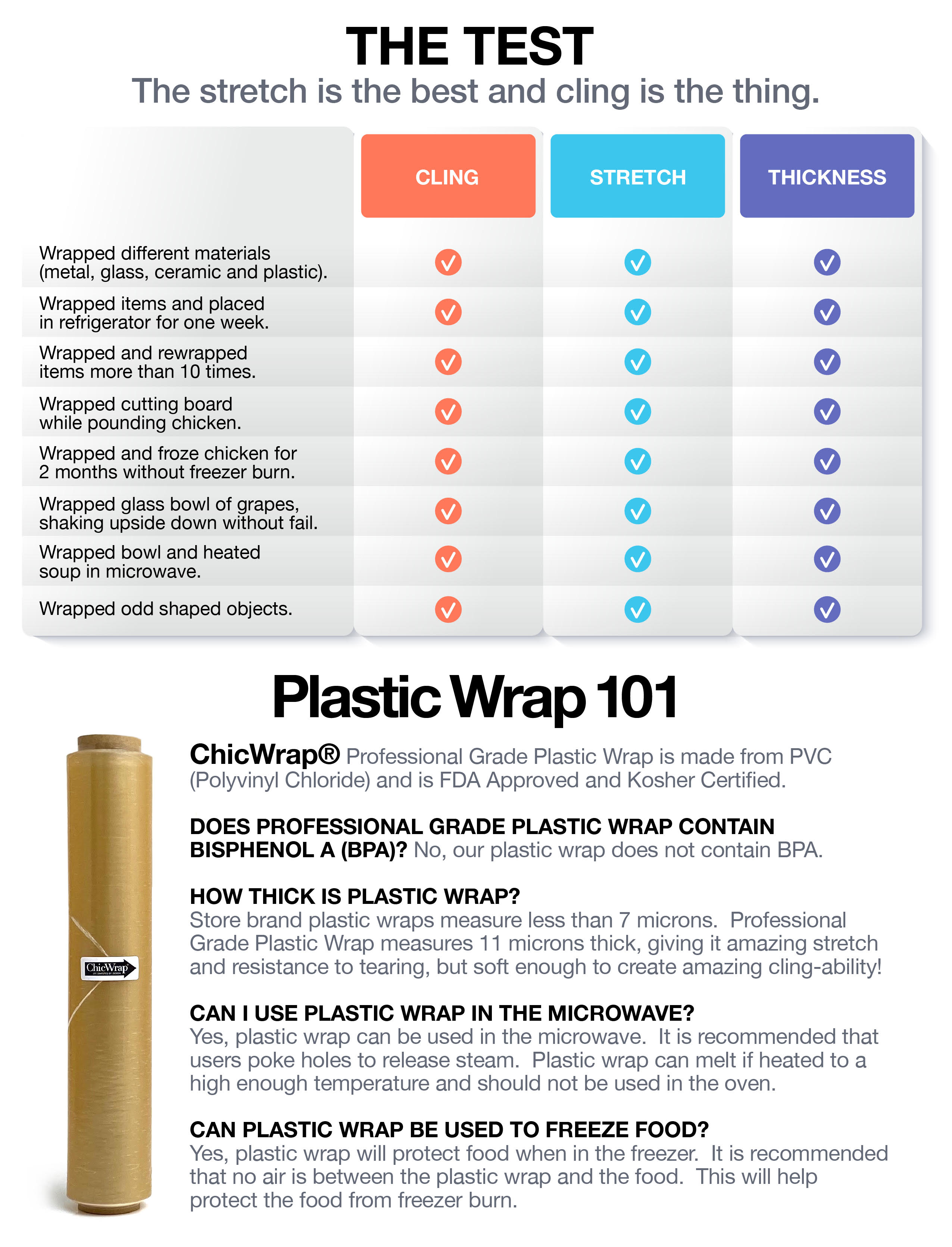
What the Microwave-Safe Label Really Means
A microwave-safe label means the manufacturer considers the product suitable for microwave use under stated conditions. It does not mean the plastic is safe for every temperature, food, or cooking time.
Look for clear instructions on the box. Some products may tell you to:
• Leave the wrap loose
• Vent one corner
• Keep the wrap from touching food
• Use the wrap only for reheating
• Avoid high-fat foods
• Avoid use in conventional ovens, toaster ovens, or broilers
A microwave-safe symbol may also appear on packaging. However, symbols can vary, so read the written instructions too. The product label is the best guide for that exact brand.
If the wrap has no label, the box is missing, or you bought it from an unknown source, do not assume it is safe. Use a glass cover, ceramic plate, or a paper towel designed for microwave use.

Foods That Need Extra Care
Some foods create more heat, steam, or splatter than others. Use extra caution with these foods when covering them with Saran Wrap:
High-fat foods
Butter, bacon, sausage, cheese, and oily sauces can become very hot. Keep the wrap away from the surface, or use a rigid microwave cover.
High-sugar foods
Syrups, jams, candy, and sweet sauces can reach temperatures well above the boiling point of water. Avoid letting plastic wrap touch them.
Foods with thick sauces
Gravy, tomato sauce, and curry can bubble suddenly. Use a deep container and vent the cover well.
Foods with skins or shells
Potatoes, eggs, sausages, and some vegetables may build up steam. Pierce foods that need it, and never microwave a whole egg in its shell.
Frozen food
Frozen meals may heat unevenly. Parts of the meal can remain cold while other areas become very hot. Stir the food and let it stand before removing the cover.

Saran Wrap Alternatives for Microwave Heating
Saran Wrap is not the only way to cover food. In many cases, these options are easier and more reliable:
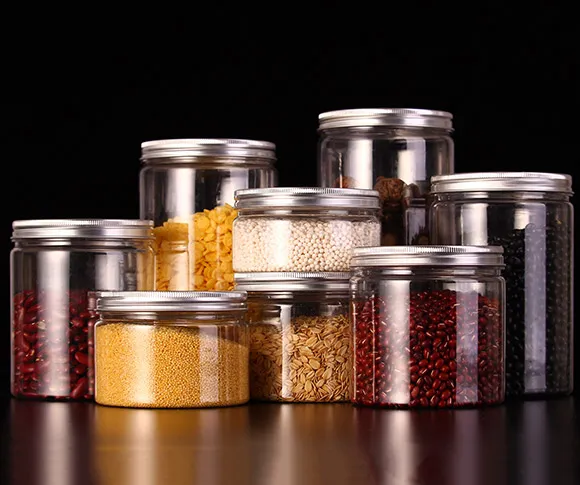
• A microwave-safe glass lid
• A vented silicone cover
• A microwave-safe ceramic plate
• A clean, microwave-safe food cover
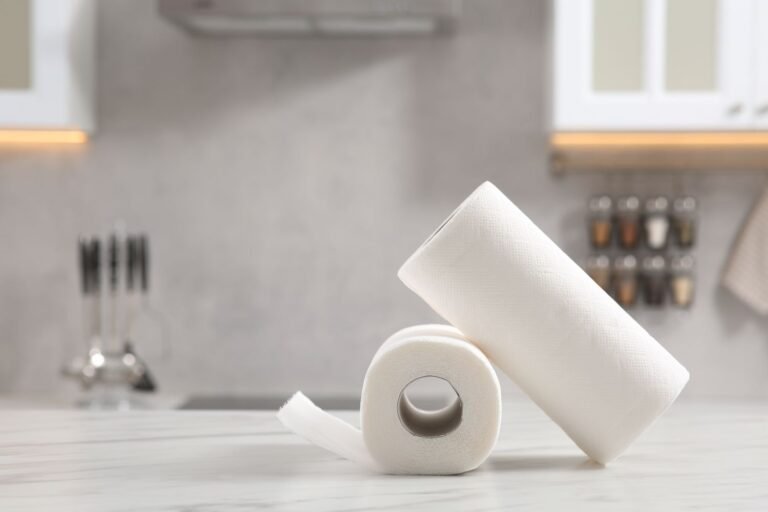
• A damp paper towel for preventing food from drying out
Glass is a strong choice because it does not soften like plastic wrap. Silicone covers are useful for bowls, but they should still have a vent or loose edge for steam.
Do not use metal lids, aluminum foil, takeout containers without microwave instructions, foam trays, or ordinary plastic containers. Some plastic containers are designed for cold storage only and may warp during heating.
A paper towel works well over rice, bread, vegetables, and leftovers that need moisture. Keep it slightly damp, and make sure it does not touch a heating element or become dry during a long cycle.

Common Mistakes to Avoid
Many problems happen because people use plastic wrap as if it were a sealed cooking bag. Avoid these mistakes:
• Sealing the bowl tightly
• Letting the wrap touch the food
• Using wrap with no microwave-safe label
• Heating food for several minutes without checking it
• Reusing torn or damaged wrap
• Using plastic wrap in a conventional oven
• Heating oily or sugary food directly under the wrap
• Removing the wrap with your face close to the dish
Steam burns can happen quickly. Lift the far corner of the cover first, and keep your hands and face away from the opening. Use oven mitts if the container is hot.
Another common error is trusting the word “plastic” on a container. Plastic storage does not automatically mean microwave-safe. Always look for specific heating instructions.

A Safe Saran Wrap Microwave Method
Use this method when the package confirms that the wrap is microwave-safe:
-
Transfer the food to a microwave-safe dish.
-
Spread the food in an even layer when possible.
-
Cover the dish loosely with Saran Wrap.
-
Keep the wrap from touching the food.
-
Leave a corner open for steam.
-
Microwave at medium power for 30 to 60 seconds.
-
Stir or turn the food.
-
Continue heating in short bursts.
-
Let the dish stand for one minute.
-
Remove the wrap away from your face.
This process reduces hot spots and gives you more control. It also helps prevent the wrap from shrinking onto the food.
For large portions, use a vented lid instead. Large servings produce more steam and need more room to release it.
How to Tell if Saran Wrap Is Safe to Use
Use the package as your first check. Then inspect the wrap before placing it in the microwave.
Safe-use signs include:
• A clear microwave-safe statement
• Directions for venting
• No tears or holes
• No strange odor
• No discoloration
• No previous heat damage
Do not use wrap that has already been exposed to high heat. Do not use it if it feels brittle, sticky, or unusually thin. Damage can make it tear and fall onto the food.
If you cannot confirm that the product is microwave-safe, use another cover. A simple glass plate is often the safest choice because it does not depend on plastic instructions.
Can You Microwave Saran Wrap Over a Bowl?
Yes, you can microwave Saran Wrap over a bowl if the package allows microwave use and the wrap stays loose. Leave a vent so steam can escape, and keep the wrap from touching the food.
A deep bowl works better than a shallow plate because it gives the food more room to bubble. Check the wrap during heating, especially when warming soup, sauce, or oily food.
Can Saran Wrap Touch Food in the Microwave?
It is best to keep Saran Wrap from touching food during microwave heating. Direct contact is more likely to cause softening, sticking, or damage when the food is very hot, fatty, or sugary.
If the instructions specifically allow contact, follow the package directions. Otherwise, use a glass or ceramic cover with space between the food and the cover.
Can You Microwave Saran Wrap on High?
You should not assume that Saran Wrap is safe on high power for long periods. High-fat and high-sugar foods can become hotter than water and may damage the wrap.
Use short heating cycles and check the package instructions. A vented glass or silicone cover is a better option for high-power reheating.
Can You Microwave Saran Wrap on Frozen Food?
You may be able to use microwave-safe Saran Wrap over frozen food for short reheating cycles. Keep the wrap loose, vent one corner, and check the food often.
Frozen food can heat unevenly, so stir or rotate it when possible. Remove the wrap if it begins to shrink, soften, or touch hot spots.
What Should You Do if Saran Wrap Melts on Food?
Stop heating and discard the food if the wrap melts, sticks, or leaves visible residue. Do not try to peel off the plastic and eat the food.
Replace the wrap with a microwave-safe glass lid or ceramic plate. If the wrap only looks slightly soft but you are unsure whether it melted, treating the food as unsafe is the cautious choice.
Is Saran Wrap Safer Than a Plastic Container?
Neither option is automatically safer. The product must be labeled for microwave use, and it must be used according to its instructions.
A microwave-safe glass container is often the simplest alternative because glass does not melt or soften under normal microwave reheating. Still, check the container for cracks and handle it carefully because it can become very hot.
Conclusion
You can microwave saran wrap when the package says it is microwave-safe and you use it as a loose, vented cover. Keep it away from hot, greasy, and sugary foods, and never seal the dish tightly.
Short heating cycles, regular stirring, and careful steam release make reheating safer. When the label is unclear, choose a glass lid, ceramic plate, or microwave-safe silicone cover instead.
Check your wrap before the next meal, follow its package directions, and share this guide with anyone who reheats leftovers.