Can You Microwave Glass Jars: Safe Heating Guide
Yes, you can microwave some glass jars, but only when they are labeled microwave-safe and used with care.
The real answer to “can you microwave glass jars” depends on the glass type, jar condition, lid, contents, and heating method. A microwave-safe food jar may handle gentle reheating, while a cold, sealed, cracked, or decorative jar can break or burst. This guide explains how to check a jar, heat it safely, avoid thermal shock, and know when a microwave-safe bowl is the better choice.
Can You Microwave Glass Jars?
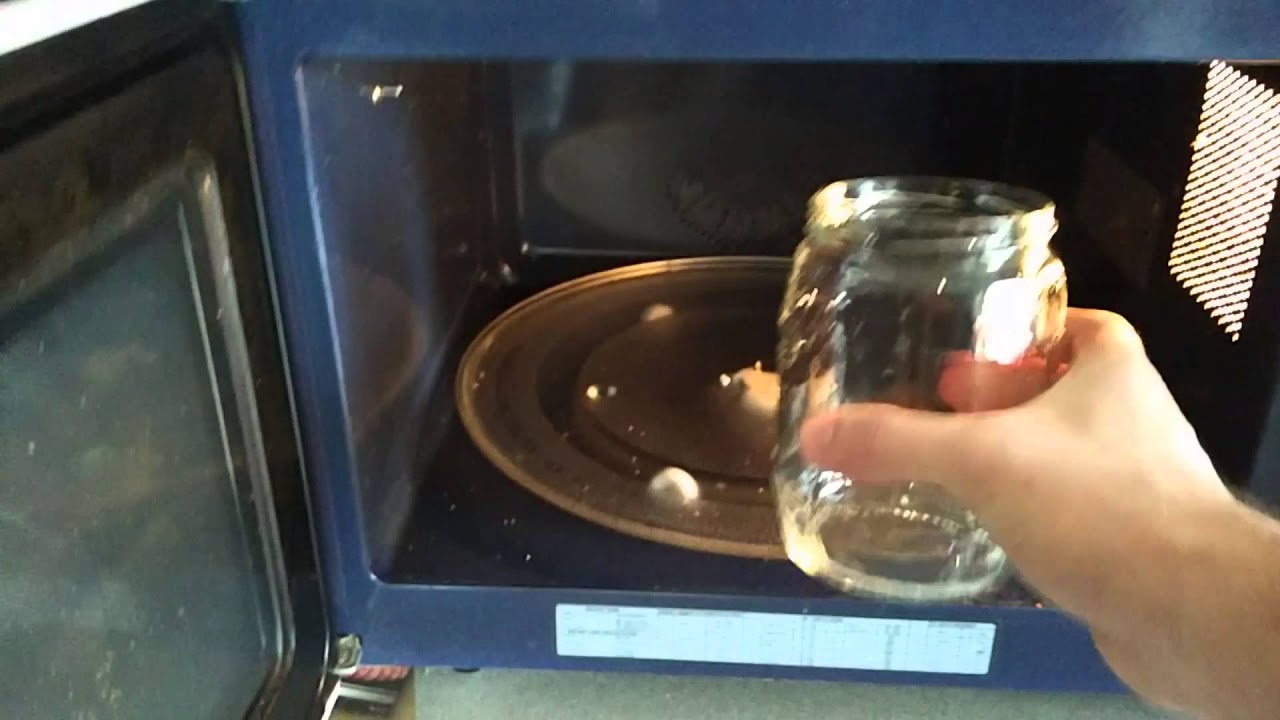
You can microwave glass jars if the manufacturer says they are microwave-safe. Many food storage jars use tempered or heat-resistant glass, but not every glass container is made for sudden temperature changes.
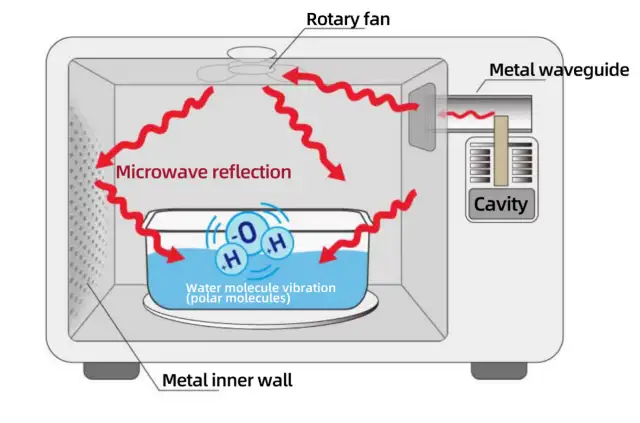
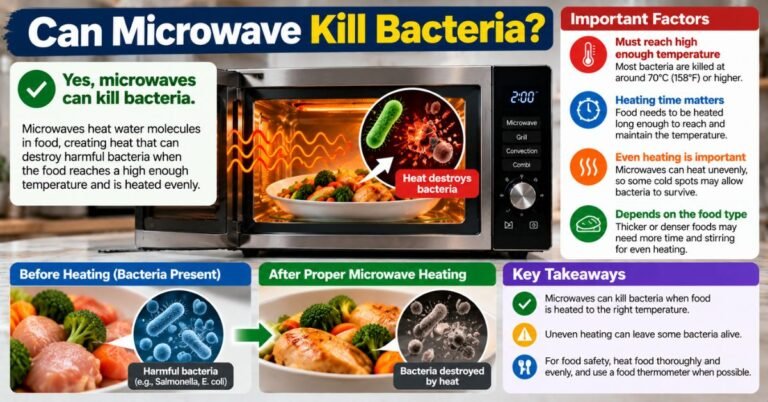
A glass jar does not heat in the same way as food. Microwaves mainly heat water, oil, and other molecules in the food. The food then transfers heat to the glass. If one area of the jar becomes hot while another stays cold, the glass can crack from thermal stress.
Before you microwave a glass jar, check these points:
• Look for a microwave-safe symbol or clear label.
• Make sure the jar has no cracks, chips, scratches, or thin spots.
• Remove metal lids, foil seals, wire clips, and metal decorations.
• Never microwave a tightly closed jar.
• Leave space at the top for steam and food expansion.
• Use short heating times and stir the food between cycles.
When in doubt, move the food to a microwave-safe bowl. This simple step removes much of the risk.
Which Glass Jars Are Usually Safe?
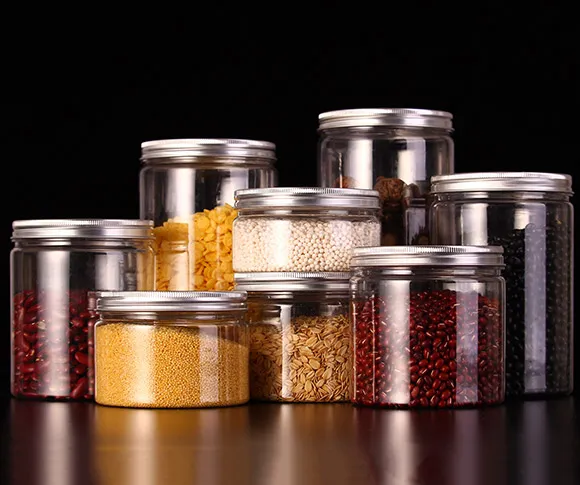
The safest jars for microwave use are made for food storage and carry a microwave-safe label. Many modern glass meal containers, heat-resistant storage jars, and some canning jars may be suitable for reheating. However, the label and care instructions matter more than the jar’s appearance.
A clear, thick jar is not automatically safe. Some jars are designed only for cold storage. Others are made for canning, display, candles, or drinks. Their glass may not tolerate fast heating.
Common jars that may be microwave-safe include:
• Glass food storage containers marked microwave-safe.
• Some heat-resistant meal prep jars.
• Certain canning jars, when the manufacturer permits microwave use.
• Glass baby-food jars made for reheating, if the label allows it.
Jars that need extra caution include:
• Reused pasta sauce, pickle, jam, and mayonnaise jars.
• Thin drinking glasses or decorative glass containers.
• Antique or handmade jars.
• Crystal, lead glass, or painted glass.
• Jars with metal rims, clips, or decorations.
In practical kitchen testing, reused commercial jars are the ones I treat most carefully. They may survive reheating many times, but they were often designed for packaging and storage, not repeated microwave heating.

Why Glass Jars Can Crack in the Microwave
The main danger is thermal shock. This happens when different parts of the glass expand or contract at different speeds.
Think of the jar as a thin ice sheet. If one side warms quickly while the other side stays cold, stress builds inside the material. A tiny scratch or weak point can then become a full crack.
Thermal shock is more likely when:
• A cold jar comes straight from the refrigerator into a hot microwave.
• Hot food is poured into a frozen or chilled jar.
• The jar is empty or nearly empty.
• The food contains thick, uneven areas.
• The microwave runs on high power for a long time.
• The jar sits on a very cold or wet surface after heating.
• The glass already has a chip or hairline crack.
A jar can also crack after the microwave stops. The glass may still be under stress while the food and jar cool. For this reason, handle the container gently and never place a hot jar on a cold stone countertop.
How to Microwave Glass Jars Safely
If the jar is labeled microwave-safe, follow a slow and careful process. The goal is to reduce heat changes and allow steam to escape.
-
Check the jar carefully. Look for cracks, chips, scratches, and cloudy areas. Do not use a damaged jar.
-
Read the label. Follow any instructions about power levels, heating time, and lids.
-
Remove the lid. Take off metal lids, foil, seals, clips, and any small metal parts.
-
Loosen a microwave-safe lid. If the lid is designed for microwave use, vent it according to the instructions. Never seal the jar tightly.
-
Add space. Do not fill the jar to the rim. Leave room for bubbling, steam, and expansion.
-
Use medium power. Start with 30 to 60 seconds instead of several minutes at full power.
-
Stir the food. Stirring spreads heat and reduces hot spots.
-
Continue in short bursts. Heat for another 15 to 30 seconds as needed.
-
Let it stand. Wait for about one minute before touching or opening the jar.
-
Use protection. Hold the jar with a dry oven mitt or towel because the glass may be hot.
Avoid shaking or squeezing a heated jar. If the food is thick, such as soup, sauce, oatmeal, or baby food, stir it very well before eating. Thick foods can hide hot spots even when the glass feels only warm.

Can You Microwave a Sealed Glass Jar?
No. You should not microwave a sealed glass jar.
As food heats, it can produce steam. Steam needs room to expand. In a sealed jar, pressure may rise until the lid pops off or the glass breaks. The result can be a hot mess, burns, or flying glass.
This warning applies to many common items:
• Sealed pasta sauce jars.
• Closed soup jars.
• Baby-food jars with tight lids.
• Canning jars with sealed vacuum lids.
• Glass jars covered tightly with plastic wrap.
Remove the lid completely or vent it in the way the manufacturer allows. If the lid will not loosen, transfer the food to a bowl instead of forcing the jar into the microwave.
Do not rely on the vacuum seal breaking on its own. A sealed jar can remain pressurized even when the food looks calm.
Can You Microwave Mason Jars?
Some Mason jars can be microwaved for short periods, but you should check the manufacturer’s instructions first. Many Mason jars are made from durable glass, yet they may still crack when exposed to sudden temperature changes.
Never microwave a Mason jar with its metal band or flat metal lid attached. The metal can spark, damage the microwave, or create a fire risk. Even if the lid contains a small amount of metal, remove it before heating.
Extra care is needed with jars that are:
• Straight from the freezer.
• Empty or almost empty.
• Filled with frozen food.
• Damaged or scratched.
• Used for pressure canning or long-term storage.
A safer method is to let frozen food thaw in the refrigerator. Then place it in a microwave-safe dish for reheating. This avoids the sharp temperature jump that causes many glass failures.

Can You Microwave Glass Jars With Food Inside?
Yes, you can microwave glass jars with food inside if the jar is approved for microwave use and the food is heated correctly. Food inside the jar often helps protect the glass from extreme temperature changes, but it does not make an unsafe jar safe.
Before heating, consider the food itself. Foods with thick texture, high fat, or uneven density may heat in patches. Sauces, mashed potatoes, rice, oatmeal, and soups should be stirred often.
Use these habits:
• Break up frozen food when possible.
• Add a small amount of water to prevent drying.
• Cover food loosely to reduce splatter.
• Stir halfway through heating.
• Test the center, not only the surface.
• Let the food rest before eating.
Be careful with baby food. Microwaves can create hot pockets that may burn a child’s mouth. Stir the food thoroughly, let it stand, and test a small amount before serving.
What Happens If You Microwave a Glass Jar With a Metal Lid?
A metal lid can spark in a microwave. Sparks may damage the appliance or ignite nearby material. Even a lid that appears mostly plastic may contain a thin metal seal or foil layer.
Remove every metal part before heating. This includes:
• Metal screw bands.
• Foil seals.
• Wire clamps.
• Decorative metal paint.
• Metal-lined caps.
If the lid is stuck, do not microwave the jar with the lid attached. Transfer the contents to a bowl, or loosen the lid after warming the jar in a safer way outside the microwave.
A plastic lid may still need to be vented. Check whether it is marked microwave-safe, and place it loosely on top if the instructions allow it.
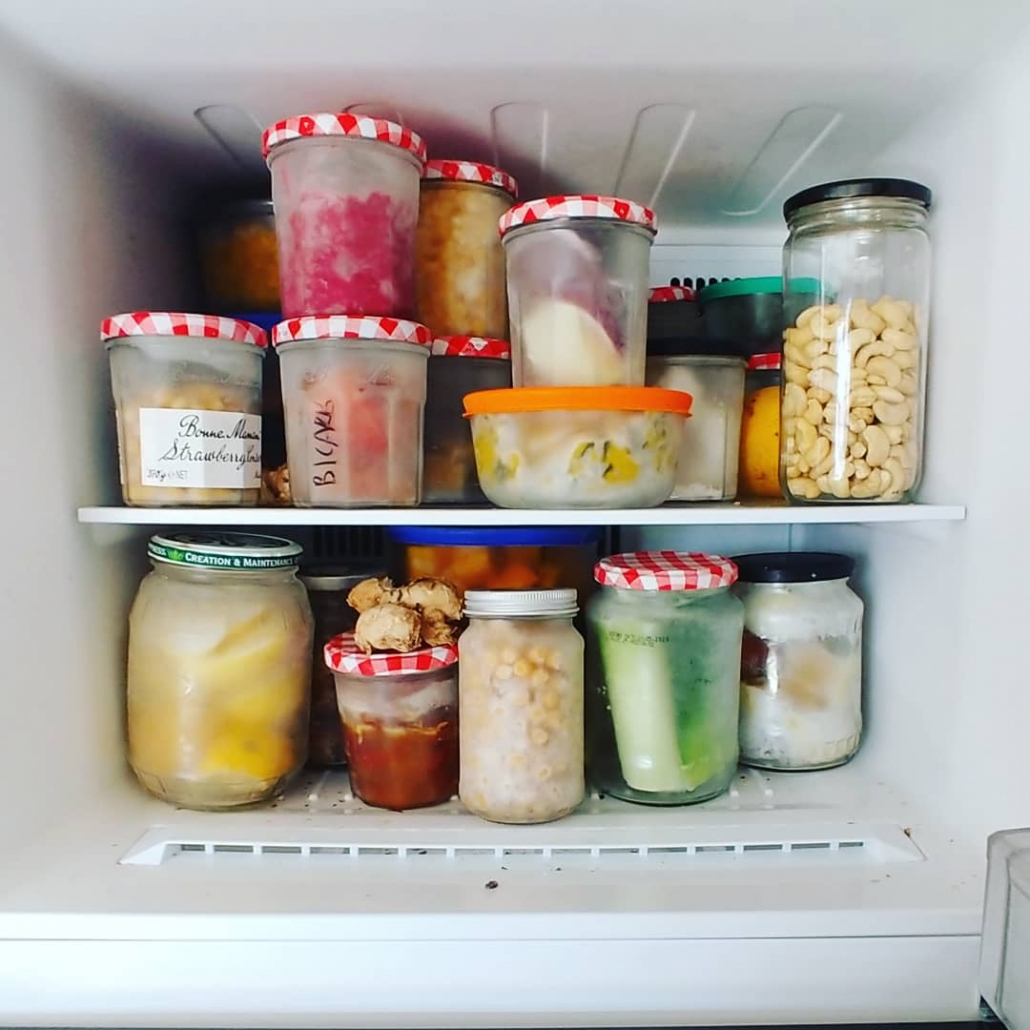
Glass Jars You Should Not Microwave
Some jars are poor choices for microwave heating, even when they look strong. Their shape, age, finish, or intended use may make them unsafe.
Do not microwave a jar when:
• It has a crack, chip, deep scratch, or rough rim.
• It is labeled not for microwave use.
• It is empty.
• It is sealed tightly.
• It has metal parts.
• It came directly from the freezer.
• It is antique, handmade, or decorative.
• It contains a candle, wax, or non-food material.
• The glass has unknown heat resistance.
• It has been exposed to a sudden temperature change.
A jar that has survived microwave use before is not guaranteed to be safe next time. Repeated heating can add small stresses or scratches that are hard to see. Replace any jar that shows damage.
Safer Alternatives to Microwaving Glass Jars
A microwave-safe ceramic bowl is often the easiest alternative. It gives food more room to move, makes stirring easier, and reduces pressure concerns.
Other useful options include:
• Microwave-safe glass bowls with vented lids.
• Heat-resistant silicone containers.
• Ceramic mugs for small portions.
• Manufacturer-approved meal prep containers.
• A small saucepan on the stove for thick sauces and soups.
Moving food to another container also helps with even heating. It lets you inspect the food, stir it well, and avoid trapped steam.
In my own kitchen routine, I use jars mainly for storage and transport. When I need to reheat food, I usually transfer it to a wide bowl. The extra step takes less than a minute and makes it easier to check the center temperature.

Common Mistakes to Avoid
Most microwave jar accidents come from a few simple mistakes. Avoiding them is more useful than memorizing a long list of rules.
• Heating a sealed jar: Steam pressure can build quickly.
• Using high power for too long: Fast heating can stress the glass.
• Heating a cold jar: Let refrigerated food warm slightly when instructions allow.
• Ignoring small damage: Chips and scratches can weaken the container.
• Leaving the metal lid on: Metal may spark or cause a fire.
• Heating an empty jar: Without food, the glass can heat unevenly.
• Touching the jar with wet hands: Heat can travel through moisture and cause burns.
• Placing hot glass on a cold surface: Sudden cooling can crack the jar.
• Assuming all food jars are the same: Glass strength and design vary.
• Eating without stirring: Hidden hot spots can burn your mouth.
When a jar makes a popping sound, develops a crack, or shows a sudden leak, stop the microwave. Wait until the container cools before cleaning broken glass. Use thick gloves and keep children and pets away from the area.
How to Tell If a Glass Jar Is Microwave-Safe
The best evidence is the manufacturer’s label or care guide. Look for words such as “microwave-safe” or a microwave symbol. A symbol that shows a microwave with wavy lines commonly indicates microwave use, but symbols can vary by brand.
If there is no label, treat the jar as unsafe for microwave heating. Do not perform a home “test” with an empty jar. That can damage the jar and the microwave.
Check the following details:
• The bottom or side of the jar.
• The original package.
• The brand’s care instructions.
• The lid and seal instructions.
• The temperature limits listed by the maker.
A microwave-safe label does not mean the jar is safe for every condition. It usually means the container can handle normal microwave use when you follow the instructions. It does not approve sealed heating, direct freezer-to-microwave use, or use with metal parts.

Frequently Asked Questions
Can you microwave glass jars from the refrigerator?
You may be able to microwave a labeled microwave-safe jar from the refrigerator, but sudden heating can still cause thermal shock. Use short cycles, medium power, and avoid placing the hot jar on a cold surface.
Can you microwave glass jars with the lid on?
Only if the lid is specifically made for microwave use and can vent steam. Never microwave a tightly sealed lid, metal lid, foil seal, or closed canning lid.
Can you microwave empty glass jars?
It is best not to microwave empty glass jars. Without food to absorb and spread heat, the jar may heat unevenly and crack.
Can you microwave pasta sauce in a glass jar?
You can microwave pasta sauce in a glass jar only when the jar is microwave-safe, open, and free of metal. Stir the sauce often because thick foods can develop very hot spots.
Can you microwave Mason jars?
Some Mason jars may be suitable for short reheating, but check the manufacturer’s instructions first. Remove the metal band and lid, and never heat a frozen or damaged Mason jar.
Why did my glass jar crack in the microwave?
The jar may have experienced thermal shock from uneven or rapid heating. A hidden scratch, cold glass, high power, little food, or trapped steam can also contribute.
Is it safer to microwave food in a bowl than a glass jar?
Usually, yes. A microwave-safe bowl gives food more space, makes stirring easier, and lowers the risk linked to tight lids and uneven heating.
Conclusion
So, can you microwave glass jars? Yes, but only when the jar is labeled microwave-safe, undamaged, vented, and used with gentle heating. Remove all metal, never heat a sealed container, avoid sudden temperature changes, and stir food between short cycles.
When the jar’s safety is uncertain, transfer the food to a microwave-safe bowl. That small habit can prevent cracked glass, pressure problems, and painful burns. Check your containers before the next meal, and share your own microwave jar tips in the comments.