Can You Microwave Cardboard: Safe Tips And Answers
You can microwave cardboard only when it is plain, clean, and clearly labeled microwave-safe.
The answer to “can you microwave cardboard” depends on its coating, ink, glue, moisture, and purpose. Some food containers are made for short microwave heating, while shipping boxes, takeout cartons, and printed packages can smoke, spark, or catch fire. This guide explains how to tell the difference and how to reheat food safely.
Can You Microwave Cardboard Safely?
Yes, you can microwave some cardboard, but not all cardboard is safe. A plain paperboard container may handle brief heating when it holds moist food and has no metal parts, wax coating, plastic lining, or heavy ink.
The safest rule is simple: microwave cardboard only when the package says it is microwave-safe. If there is no label, move the food to a microwave-safe glass or ceramic dish.
Cardboard does not heat in the same way food does. Food usually warms because microwave energy excites water molecules. Dry cardboard has little moisture, so it may stay cool while the food becomes very hot. That dry condition can make the cardboard scorch or ignite.
The risk also rises when the container is empty or nearly empty. Food helps absorb microwave energy, but a dry box can overheat in certain areas.

Which Cardboard Containers May Be Microwave-Safe?
Some cardboard products are designed for microwave use. These items often have a special structure, coating, or label that helps them tolerate heat.
Examples may include:
• Microwaveable paper bowls
• Paperboard soup containers labeled microwave-safe
• Some frozen meal trays
• Plain paper plates marked for microwave use
• Certain takeout cartons approved by the restaurant or manufacturer
• Paper popcorn bags made for microwave popcorn
Even with these items, follow the package directions. A label may limit heating time, power level, or the need to remove a lid.
A cardboard container that is safe for one use may not be safe for another. For example, a box may be suitable for holding warm food but not for cooking food from a cold or frozen state. Short reheating is usually less demanding than long cooking.
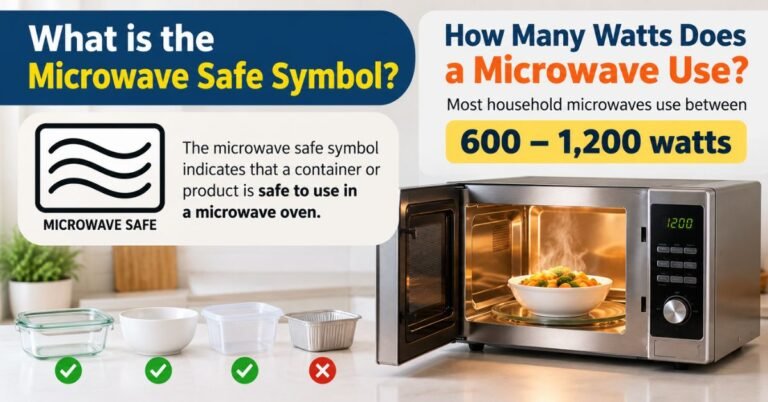
When people ask, “can you microwave cardboard from a takeout meal,” the best answer is to check the bottom or side of the container. Look for words such as “microwave-safe,” a microwave symbol, or clear heating instructions.

Cardboard You Should Never Microwave
Many cardboard products are not made for microwave heat. They may contain coatings, adhesives, dyes, or hidden metal that create a fire or contamination risk.
Do not microwave these items:
• Shipping boxes
• Corrugated packing boxes
• Cardboard with staples, wire, foil, or metal handles
• Takeout boxes with metal clips or foil lining
• Waxed cardboard unless the manufacturer approves it
• Cardboard with plastic windows or thick plastic layers
• Printed cartons with no microwave instructions
• Greasy cardboard that is dry around the edges
• Cardboard that is damaged, very dry, or already scorched
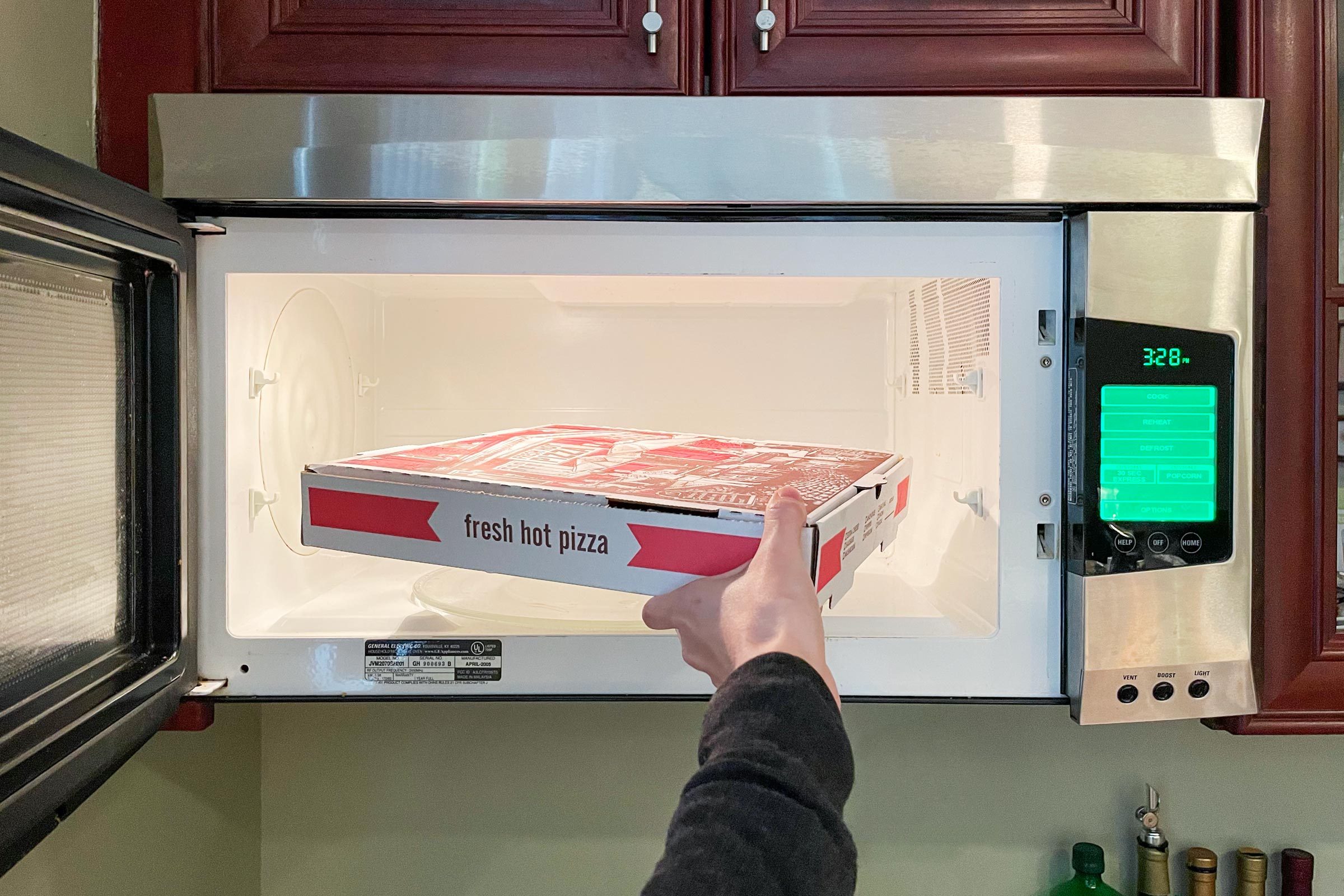
• Pizza boxes for long heating periods
A pizza box may seem harmless, but it is often made from corrugated board with ink, glue, and grease. A short warming period may not cause a problem, yet the box is still not the best choice. A plate is safer and helps keep the oven clean.
Never place a cardboard box with metal trim in a microwave. Metal can reflect microwave energy and cause sparks. Sparks may damage the oven or start a fire.

Why Cardboard Can Catch Fire in a Microwave
Microwaves heat food by creating an electromagnetic field that makes water molecules move. Cardboard contains paper fibers, air pockets, glue, ink, and sometimes coatings. When it becomes dry and hot, the paper fibers can begin to char.
A small hot spot can start a larger problem. Think of cardboard like dry leaves near a campfire. It may look safe at first, but one hot area can quickly spread across the material.
Several factors increase the risk:
• Long heating times
• High power settings
• Empty or nearly empty containers
• Dry foods with little moisture
• Grease soaked into the cardboard
• Cardboard touching the oven wall
• Metal ink, foil, staples, or wire
• Damaged containers with exposed fibers
• Repeated heating of the same container
Grease can make the risk worse because it becomes very hot. A greasy pizza box may heat unevenly, and the oily areas can soften, smoke, or scorch.
According to basic fire safety guidance, any paper product should be watched closely in a microwave. If you see smoke, sparks, or flames, stop the microwave at once. Keep the door closed if there is a fire, unplug the unit if it is safe to do so, and call emergency services if the fire does not stop.

How to Microwave Cardboard More Safely
If the package is labeled microwave-safe, use the shortest heating time that works. Do not assume that a cardboard container can handle unlimited heat just because it held the food.
Use these steps:
- Read the package directions before heating.
- Remove metal clips, foil, twist ties, and any non-microwave-safe lid.
- Open a vent or loosen the lid if the instructions allow it.
- Place the container in the center of the turntable.
- Use short heating periods, such as 20 to 30 seconds.
- Stir or rotate the food between intervals when possible.
- Watch the container during heating.
- Stop at once if you notice smoke, sparks, a burning smell, or unusual browning.
- Let the food stand before touching the container.
- Transfer the food to glass or ceramic if you have any doubt.
Do not microwave cardboard on a metal rack or tray. Do not let the container touch the sides of the oven. Keep the microwave clean because old grease and food residue can also smoke or ignite.
A useful kitchen habit is to reheat food in a microwave-safe bowl. It takes only a few seconds to transfer the meal, and it removes much of the guesswork.
Can You Microwave Cardboard With Food Inside?
Moist food in a plain cardboard container is usually less risky than an empty box. Water in the food absorbs much of the microwave energy and helps control the temperature. Still, this does not make every cardboard container safe.
For example, soup in a labeled paper bowl may be suitable for short reheating. Dry bread in an unmarked cardboard box is a different matter. The dry box and dry food may heat unevenly and create hot spots.
If you are wondering, “can you microwave cardboard with leftovers,” transfer the leftovers to a microwave-safe dish whenever possible. This is especially important for food that needs several minutes of heating.
Use extra care with:
• Rice and pasta that have dried out
• Bread, crackers, and pastries
• Dry cereal or granola
• Fried foods in greasy cartons
• Foods with thick sauces
• Small portions that may dry quickly
• Food reheated for more than one minute
Food safety matters too. The USDA advises reheating leftovers to 165°F. A food thermometer is more reliable than judging temperature by touch, especially when food heats unevenly in a microwave.

Cardboard, Chemicals, and Food Contact
Cardboard packaging may contain more than paper. Some containers have plastic films, wax, water-resistant coatings, dyes, or adhesives. Heat can change how these materials behave.
A food package approved for microwave use has normally been tested for its intended purpose. An ordinary shipping box has not. It may release odors, soften, leak, or transfer unwanted substances to food when heated.
This is one reason “food-safe” and “microwave-safe” are not identical terms. Food-safe means the material is suitable for contact with food under stated conditions. Microwave-safe means it can handle microwave heating under stated conditions.
The safest choices for reheating are:
• Heat-resistant glass
• Plain ceramic without metallic trim
• Containers labeled microwave-safe
• Silicone products approved for microwave use
Avoid containers with gold, silver, or metallic decoration. Even a thin decorative line can spark.
There is also a practical concern: cardboard can absorb sauces and oils. Once wet, it may collapse or leak. A glass or ceramic dish is easier to clean and less likely to spill hot food.

What to Do If Cardboard Starts Smoking
If cardboard begins smoking, stop the microwave immediately. Keep the door closed for a moment because opening it can feed oxygen to a small fire.
Follow these steps:
• Press the stop button or cancel the cycle.
• Keep the microwave door closed if flames are visible.
• Unplug the microwave only if you can do so safely.
• Do not use water on an electrical or grease fire.
• Call emergency services if the fire continues or spreads.
• Do not use the microwave again until it has been inspected if it suffered damage.
A burning smell without visible flames still deserves attention. Remove the container only after it is safe to do so, and let it cool on a nonflammable surface.
Never restart the microwave to “see if it is okay.” A damaged oven, scorched cardboard, or lingering grease can create another fire risk.

Common Mistakes to Avoid
The biggest mistake is treating all paper products as the same. A labeled microwave food tray is not equal to a shipping box, even though both contain paper fibers.
Avoid these common errors:
• Heating cardboard without checking the label
• Leaving a metal handle or staple attached
• Running the microwave for several minutes at full power
• Heating an empty cardboard container
• Walking away while paper packaging is inside
• Reusing a single-use container for repeated heating
• Ignoring smoke or a sharp burning smell
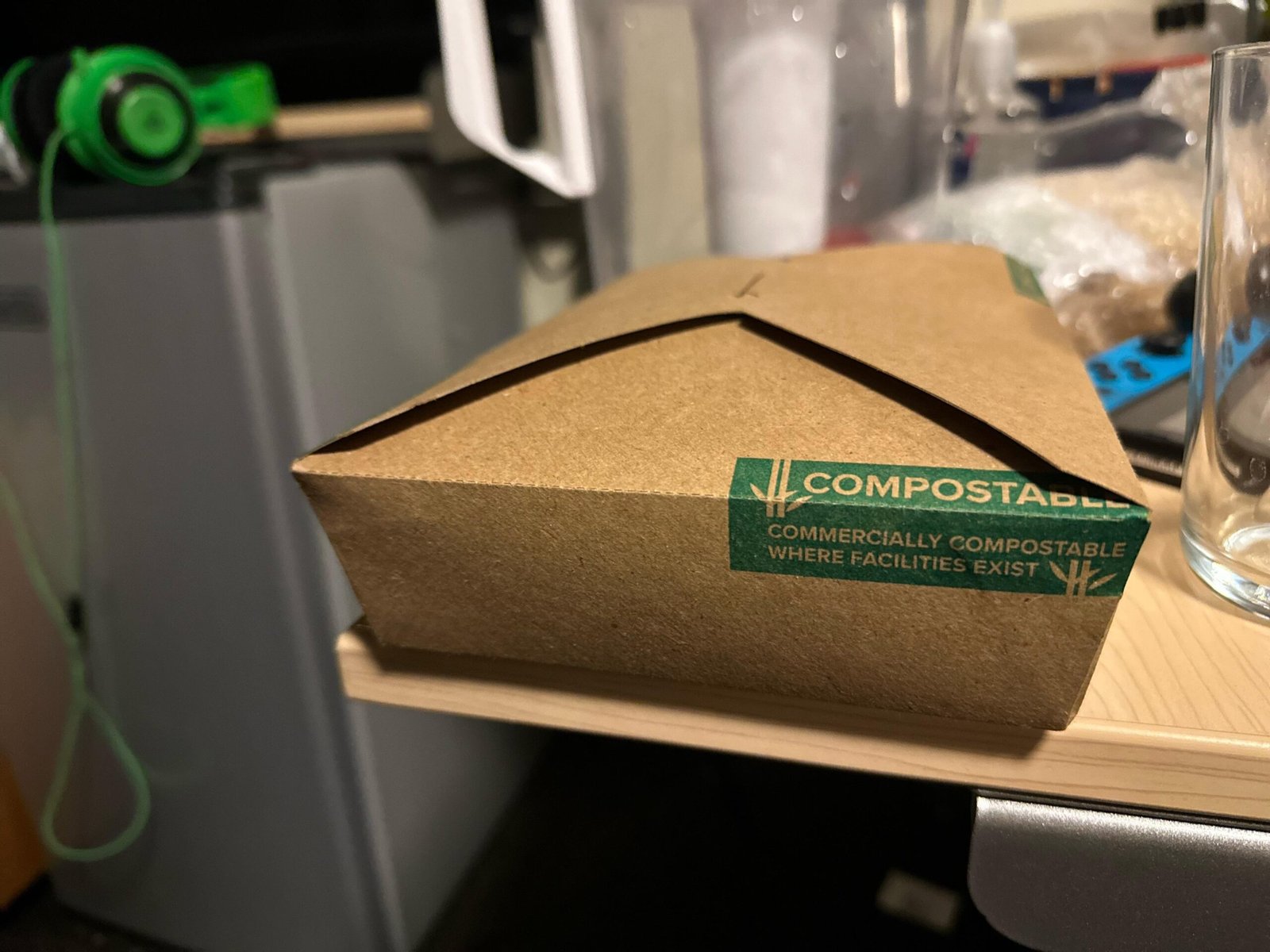
• Assuming “compostable” means microwave-safe
• Assuming “paper” means free from plastic or wax
• Putting the whole takeout package into the microwave
“Compostable” describes how a product breaks down under certain conditions. It does not automatically mean the product is safe for microwave heating.
In everyday kitchen use, the safest habit is also the simplest: put the food on a microwave-safe plate. This avoids most problems before they begin.
A Practical Decision Guide
Use this quick guide when you need to decide whether cardboard belongs in the microwave.
Microwave it only when all answers are yes
• Does the package clearly say microwave-safe?
• Is there no metal, foil, staple, or wire?
• Is the container clean and not badly damaged?
• Does it contain moist food?
• Are you following the stated time and power level?
• Can you watch it while it heats?
If any answer is no, transfer the food to glass or ceramic.
Use a microwave-safe dish instead when
• The cardboard has no label.
• The package has a plastic window or wax coating.
• The food is dry or greasy.
• You need to heat the food for several minutes.
• The container is a shipping box or storage box.
• The cardboard smells odd, looks scorched, or feels weak.
This approach may seem cautious, but it is fast and inexpensive. A plate protects the food, the microwave, and your kitchen.
Frequently Asked Questions About Can You Microwave Cardboard
Can you microwave cardboard takeout boxes?
You can microwave a takeout box only if the box is labeled microwave-safe and has no metal parts. When there is no clear label, move the food to a microwave-safe dish.
Can you microwave a pizza box?
A pizza box is not the best container for microwave heating because it may contain grease, ink, glue, and corrugated layers. Place the pizza on a microwave-safe plate instead.
Can you microwave cardboard with a plastic coating?
Do not microwave coated cardboard unless the manufacturer specifically approves it. Plastic, wax, or other coatings may soften, melt, release odors, or affect the food.
Can cardboard catch fire in a microwave?
Yes, dry cardboard can scorch and catch fire, especially during long heating or when it contains metal or grease. Stop the microwave immediately if you see smoke, sparks, or flames.
Can you microwave cardboard food containers?
Some food containers are designed for microwave use, but others are not. Check for microwave instructions, follow the time limit, and avoid using damaged or unmarked containers.
Is a paper plate safer than cardboard?
A paper plate labeled microwave-safe is usually a better choice than an ordinary cardboard box. Even then, use it for short heating and avoid plates with metallic designs or plastic coatings.
What should you use instead of cardboard in the microwave?
Use heat-resistant glass, plain ceramic, or another container marked microwave-safe. These materials are easier to inspect, clean, and reuse safely.
Conclusion
So, can you microwave cardboard? Sometimes, but only when the container is clearly labeled microwave-safe, contains moist food, and has no metal, unsafe coating, or damage. Unmarked boxes, greasy pizza cartons, shipping boxes, and containers with foil or staples should stay out of the microwave.
When you are unsure, transfer the food to a microwave-safe glass or ceramic dish. That small step prevents fires, leaks, odors, and possible food-contact concerns. Check the package label, heat in short intervals, and share this guide with anyone who has ever wondered whether cardboard belongs in the microwave.