Can You Microwave Plastic: Safe Use Guide
Yes, you can microwave some plastic, but only when the container is labeled microwave-safe and used correctly.
The answer to “can you microwave plastic” depends on the plastic type, its condition, and the food you are heating. This guide explains how to read labels, avoid melting or chemical transfer, and choose safer containers with confidence.
Can You Microwave Plastic Safely?
Yes, some plastic containers are made for microwave use. They are designed to handle heat without melting, warping, or breaking down during normal heating.
However, not all plastic is safe for the microwave. A container may look strong but still soften or release unwanted chemicals when heated. The safest choice is to check the bottom or packaging for a microwave-safe label.
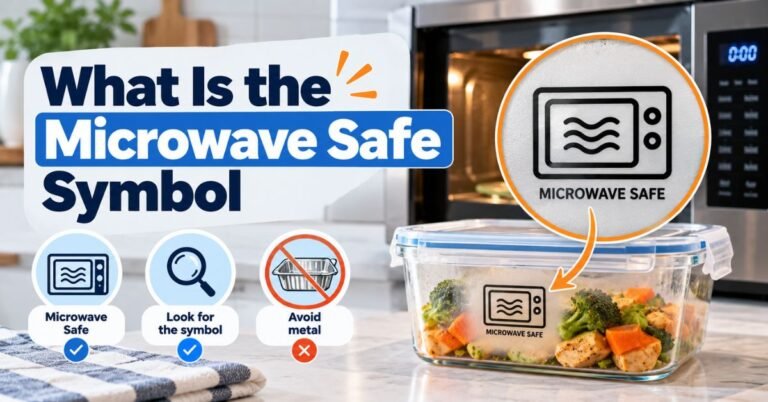
A microwave-safe symbol often looks like a microwave oven with wavy lines. Some containers also say “microwave safe” in plain text.
When deciding can you microwave plastic, check these points:
• Look for a microwave-safe label or symbol.
• Follow the heating instructions on the package.
• Remove lids unless they are also labeled microwave-safe.
• Use short heating periods and stir food between intervals.
• Stop using plastic that is cracked, cloudy, stained, or badly scratched.
Microwave-safe does not mean heatproof. Most plastic containers still have temperature limits. Very hot food, oil, sugar, and steam can place more stress on the container than plain water.
<figcaption style=”font-size: 14px; color: #555; margin-top: 8px;”>
Source: scienceline.org
Which Types of Plastic Are Microwave-Safe?
The recycling number on plastic can offer clues, but it does not prove that a container is safe for microwave use. The manufacturer’s label matters more than the number alone.
Here is a simple guide to common plastic types:
Plastic number 1: PET or PETE
This plastic is common in water bottles, soda bottles, and some food packages. It is not usually designed for repeated heating.
Avoid microwaving disposable water bottles or thin PET containers. They can soften, warp, or become less stable when heated.
Plastic number 2: HDPE
High-density polyethylene is used in milk jugs, some food tubs, and detergent bottles. Some HDPE food containers may tolerate warmth, but the recycling number alone does not confirm microwave safety.
Only microwave HDPE when the container clearly says it is microwave-safe.
Plastic number 3: PVC
Polyvinyl chloride is found in some packaging, wraps, and household products. It is not a good choice for microwave heating unless the product label specifically allows it.
Never microwave plastic packaging that is not meant for food or heat.
Plastic number 4: LDPE
Low-density polyethylene is used in bags, wraps, and flexible containers. Some products are made for microwave use, while others can melt or shrink.
Check the package directions before heating food covered with plastic wrap.
Plastic number 5: Polypropylene
Polypropylene is common in reusable food containers, yogurt cups, and meal-prep tubs. It handles heat better than many other plastics and is often used in microwave-safe containers.
Even so, check for the microwave-safe label. A number 5 does not guarantee that every container is safe.
Plastic number 6: Polystyrene
Polystyrene is used in foam cups, foam takeout boxes, and some disposable trays. It can soften or deform when heated.
Avoid microwaving foam containers unless the manufacturer clearly states that they are safe for microwave use.
Plastic number 7: Other
This group includes several different plastics. Some may be safe for microwave use, while others may contain materials that are not suited to heat.
Do not rely on the number 7 label. Look for clear instructions from the manufacturer.
The key lesson is simple: plastic type helps, but the microwave-safe label is the best guide. When I check a container in the kitchen, I look for the label first and the recycling number second.
What Happens When You Microwave the Wrong Plastic?
Heating the wrong plastic can cause several problems. The container may melt, bend, split, or release a strong smell. Food can also spill if the container loses its shape.
Heat affects plastic in different ways. Some plastics soften at fairly low temperatures. Others remain firm but may still allow more substances to move from the plastic into food.
The risk can increase with:
• High heat
• Long heating times
• Fatty foods such as bacon or cheese
• Sugary foods such as syrup or jam
• Acidic foods such as tomato sauce
• Direct contact between very hot food and the container
Fat and sugar can become much hotter than boiling water. A bowl of soup may heat to around the temperature of boiling water, while a small pocket of oil or sugar can become far hotter. This is why reheating pizza, pasta with oil, or caramel in an unsuitable plastic container can cause trouble.
A damaged container also deserves extra caution. Scratches and cracks create weak spots where heat can act unevenly. If the plastic looks worn, replace it with glass or ceramic.
Microwaves do not make plastic radioactive. The concern is heat, container quality, and the possible movement of chemicals into food. Using approved containers and following directions greatly reduces these concerns.

How to Tell If Plastic Is Microwave-Safe
Before you microwave plastic, use a quick safety check. It takes less than a minute and can prevent a messy spill or damaged container.
-
Check the base of the container for a microwave symbol.
-
Look for the words “microwave-safe.”
-
Read the package directions for time and power limits.
-
Inspect the container for cracks, deep scratches, stains, or warping.
-
Make sure the lid is approved for microwave use.
-
Vent the lid so steam can escape.
-
Place the container on a microwave-safe plate if the food is heavy or liquid.
Do not use a container just because it survived one heating cycle. A plastic tub may appear fine after several uses and then suddenly warp under higher heat.
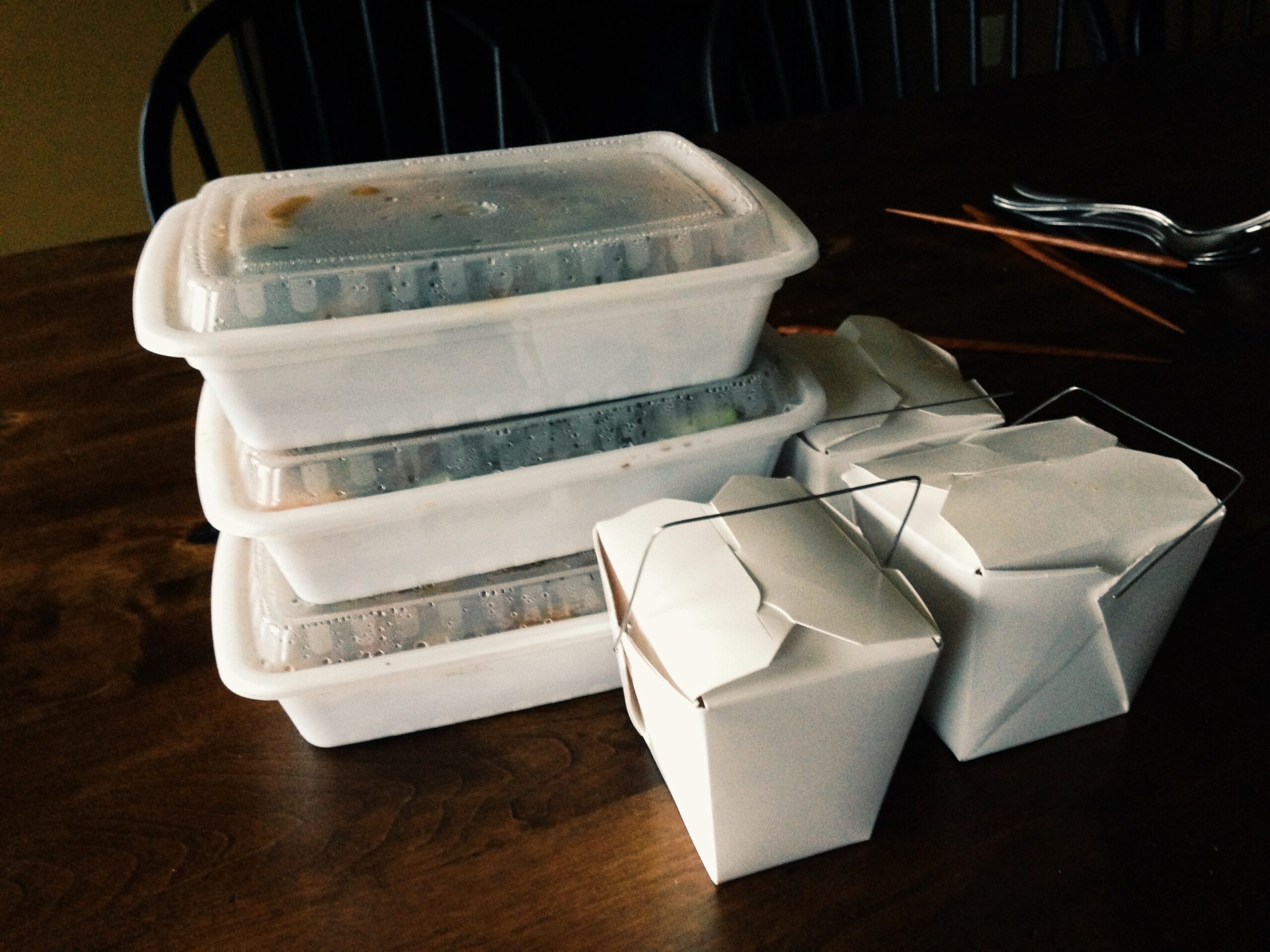
Takeout containers deserve special care. Some are made for a single use and are not designed for reheating. If the restaurant gives no heating instructions, transfer the food to glass or ceramic.
Plastic wrap also needs attention. Keep it from touching food when possible, especially food with a high fat or sugar content. Leave a small opening for steam, and use only wrap labeled for microwave use.
Best Practices for Microwaving Plastic
Safe habits make a big difference. Even a microwave-safe container can cause problems when it is overfilled, sealed tightly, or heated for too long.
Follow these practical tips:
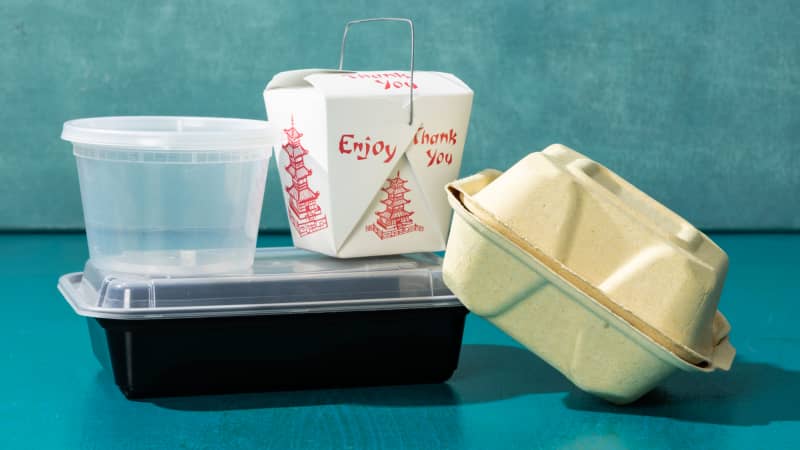
• Loosen the lid to let steam escape.
• Never microwave a fully sealed container.
• Use medium power for foods that heat quickly or unevenly.
• Heat food in short bursts, such as 30 to 60 seconds.
• Stir food halfway through heating.
• Let the container rest before removing the lid.
• Use oven mitts because the food and container may be very hot.
• Keep plastic away from the microwave’s grill or browning element.
• Do not microwave empty plastic containers.
• Replace containers that smell strongly after heating.
A sealed container can build pressure like a small balloon. When you open it, hot steam may rush out and burn your hands or face. Venting the lid is one of the most important steps when you microwave plastic.
Food should also be spread in an even layer when possible. Thick centers heat slowly, while thin edges may become extremely hot. Stirring helps spread heat and lowers the chance of hot spots.
From everyday kitchen use, one mistake stands out: heating leftovers in a closed plastic tub because it seems faster. The lid often bulges, the food leaks, and the container becomes too hot to handle. A loose lid and shorter heating cycles solve most of these problems.
Is Microwaving Plastic Harmful?
The question “can you microwave plastic” often comes from concern about chemical exposure. That concern is reasonable, but the answer is not simply yes or no.
Food-contact plastics are tested for their intended uses. A container labeled microwave-safe should be suitable for heating under the stated conditions. Still, safety depends on using the product as directed.
Some chemicals can migrate from packaging into food. Heat, time, food type, and the condition of the container can affect migration. Fatty, acidic, and salty foods may interact with packaging more than dry foods.
The Food and Drug Administration evaluates food-contact materials for their intended use. Public health agencies also advise consumers to follow package directions and avoid heating food in containers that are not designed for that purpose.
BPA is another common concern. Many modern food containers are labeled BPA-free, but BPA-free does not mean that every plastic is suitable for microwave heating. It only addresses one substance.
For people who want to limit plastic exposure, glass and ceramic are simple alternatives. They are especially useful for very hot, oily, or acidic foods.
The most balanced approach is not to fear every plastic item. Instead:
• Use containers made for microwave heating.
• Avoid damaged or disposable containers.
• Do not heat food in packaging that lacks instructions.
• Use glass or ceramic when you are unsure.
• Follow the manufacturer’s time and power limits.
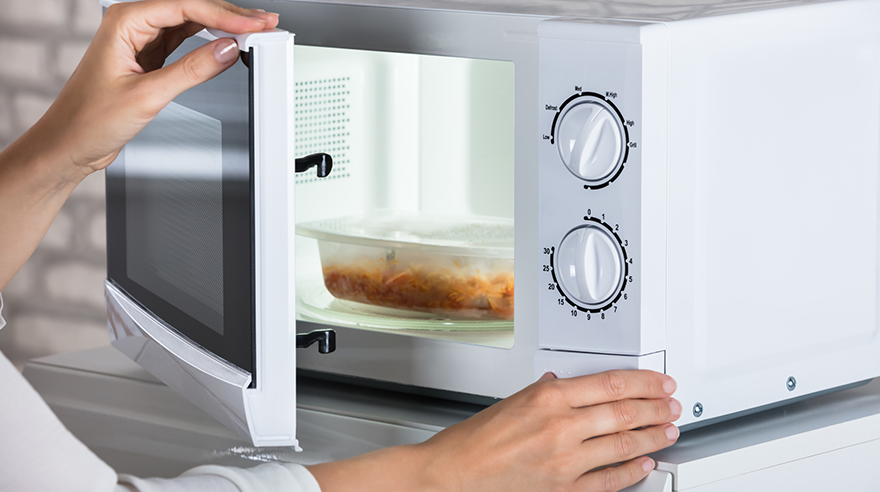
Microwave-Safe Plastic vs. Disposable Plastic
Microwave-safe plastic is made and tested for heating. Disposable plastic is often designed for storage, transport, or one-time use.
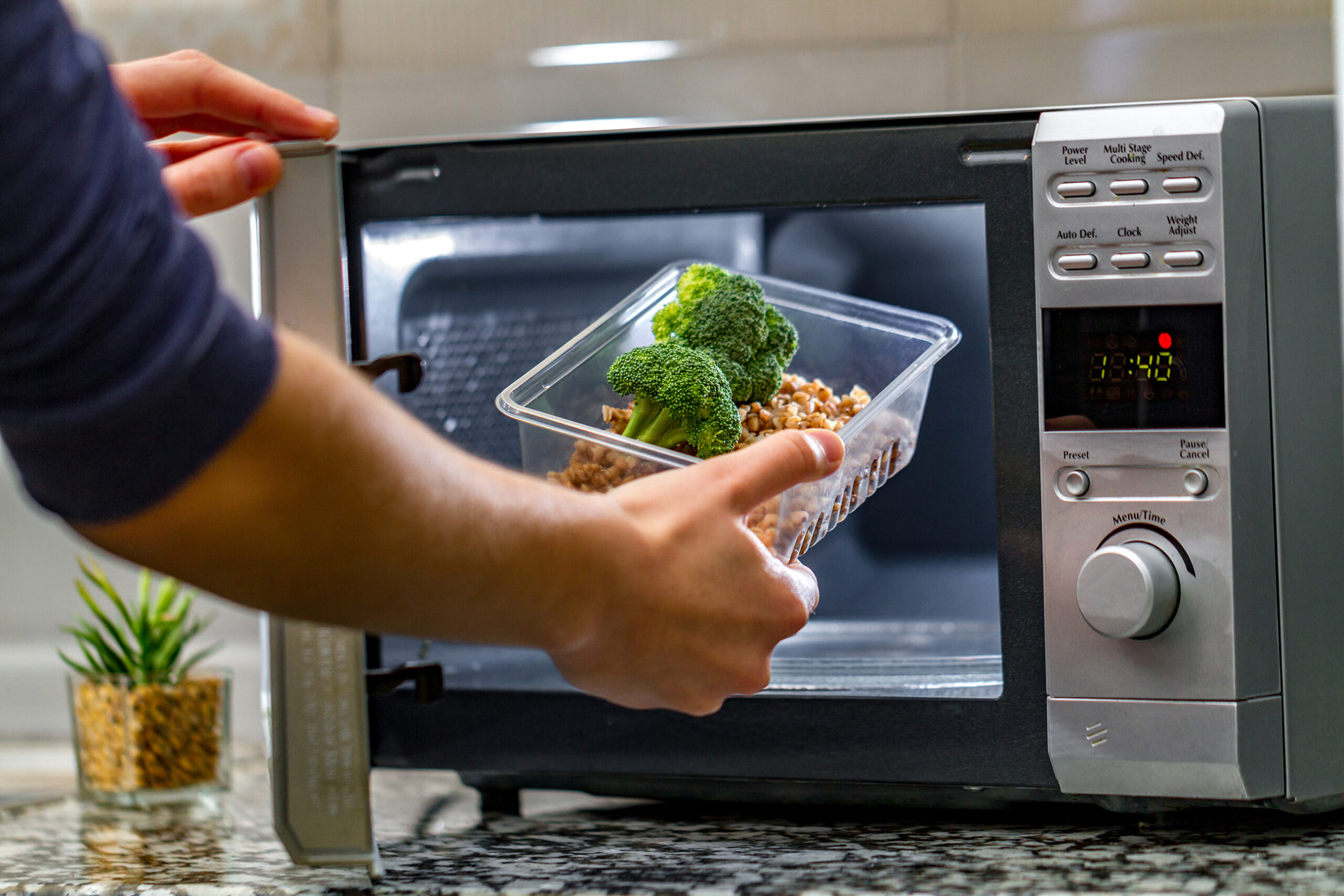
A thin takeout box may hold warm food well but fail when exposed to microwave heat. It may soften, leak, or change shape. The fact that it held hot food from a restaurant does not prove that it can handle direct microwave heating.
Disposable items to avoid unless clearly labeled include:
• Foam takeout boxes
• Thin deli containers
• Single-use water bottles
• Plastic grocery bags
• Non-food storage tubs
• Margarine and butter tubs
• Unmarked restaurant containers
• Plastic trays with metallic decorations
Reusable food containers are usually a better choice. Look for a strong design, a tight but vented lid, and clear heating instructions. Replace them when they become cloudy, brittle, deeply scratched, or stained.
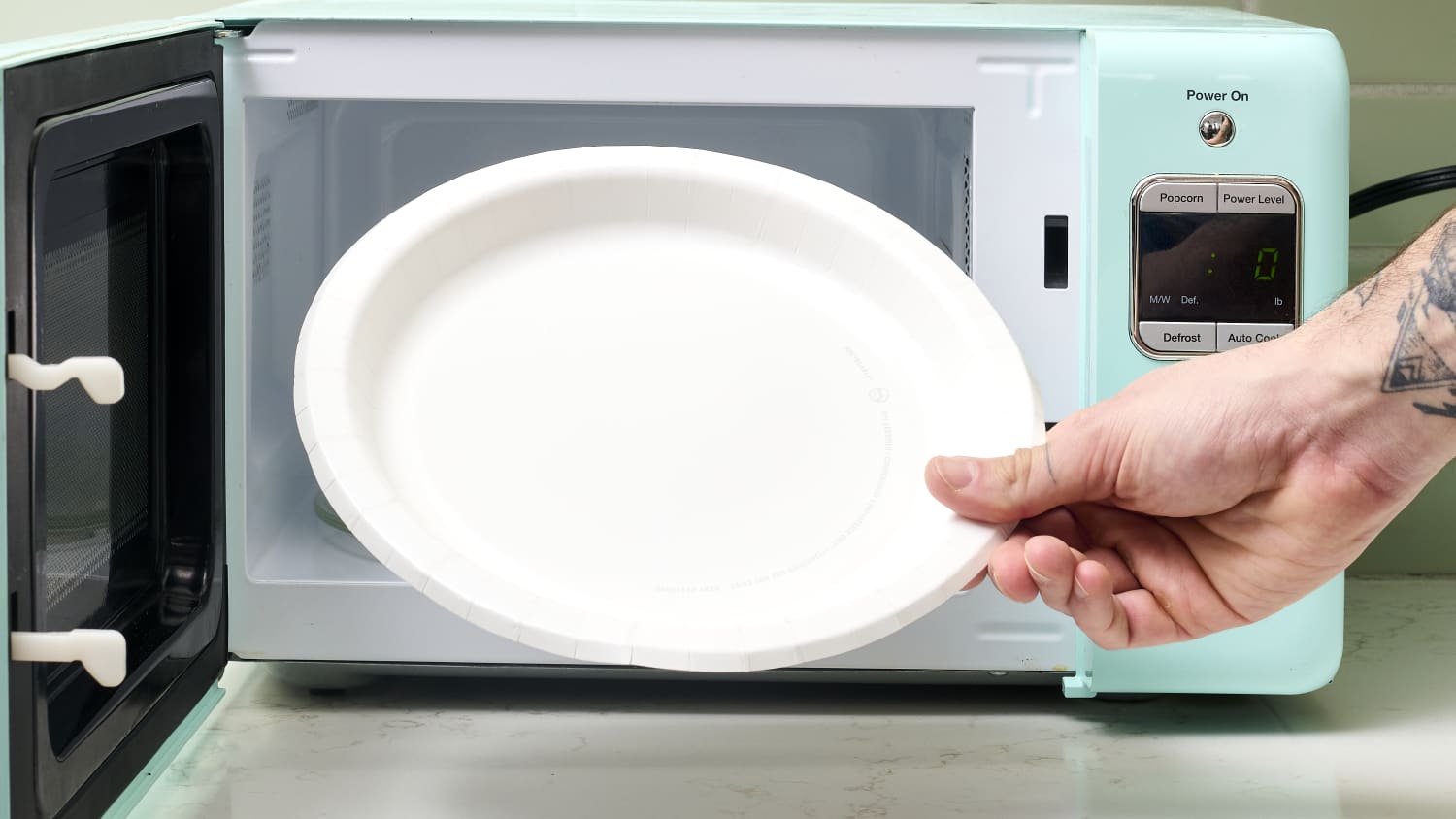
Glass is often the best option for soups, sauces, and leftovers. Ceramic works well too, but avoid pieces with metallic paint, gold trim, or silver trim. Metal can spark in a microwave and damage the appliance.
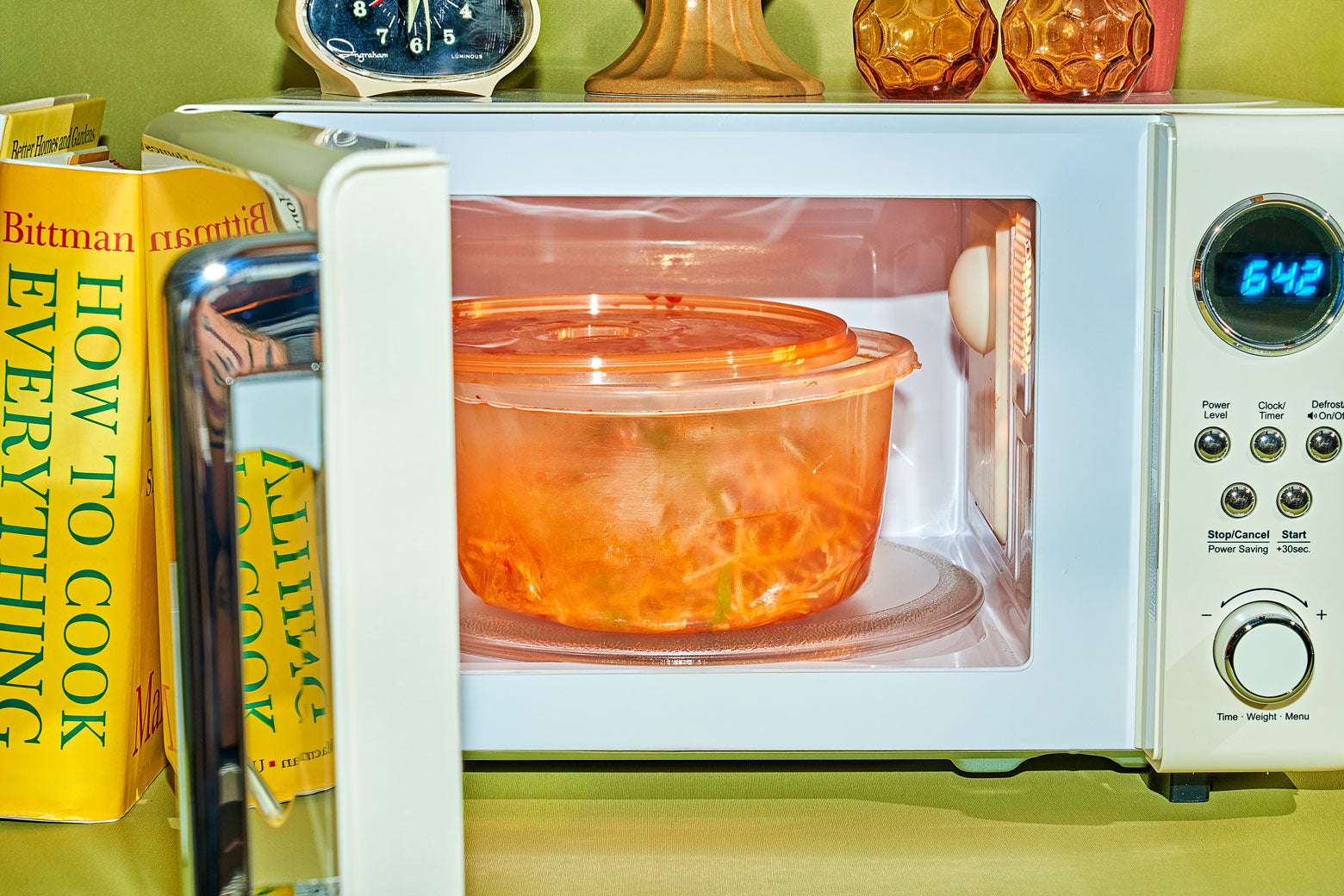
What Should You Use Instead of Plastic?
If you are unsure whether you can microwave plastic, choose another container. Glass and plain ceramic are reliable options for most foods.
Good microwave choices include:
• Heat-safe glass bowls
• Plain ceramic dishes
• Microwave-safe stoneware
• Labeled silicone cookware
• Manufacturer-approved microwave steam containers
Use care with silicone, too. Silicone products vary in quality and purpose. Choose food-grade silicone with clear microwave instructions, and avoid products that smell strongly or become sticky.
Do not place cold glass straight into intense heat unless the product is designed for that use. Sudden temperature changes can cause thermal shock, which may crack or shatter glass.
A simple routine works well:
-
Transfer food to glass or ceramic.
-
Cover it with a microwave-safe lid or vented plate.
-
Heat in short intervals.
-
Stir and check the center.
-
Let the food stand before eating.
This approach may create one extra dish, but it removes much of the guesswork. When safety and convenience compete, a few extra seconds are usually worth it.
Common Mistakes to Avoid
Many microwave plastic problems come from small errors rather than dramatic misuse. Knowing the most common mistakes can help you avoid them.
Heating sealed containers
Steam needs a way out. A sealed container may burst or spray hot food when opened.
Using the wrong lid
The bowl may be microwave-safe while the lid is not. Check both parts before heating.
Reusing single-use packaging
Disposable containers can weaken after one heating cycle. Use a reusable container made for heat instead.
Heating food for too long
Long heating times create hot spots and put extra stress on plastic. Use short bursts and stir often.
Ignoring damage
A cracked or scratched container is more likely to fail. Replace it instead of trying to get one more use from it.
Trusting the recycling number alone
The recycling code identifies a plastic category. It does not confirm microwave safety.
Letting wrap touch food
Plastic wrap should not rest directly on very hot or greasy food unless the product instructions allow it.
Microwaving empty containers
Microwaves need food or liquid to absorb energy. An empty container can become very hot and may deform.
Frequently Asked Questions About Can You Microwave Plastic
Can you microwave plastic with a microwave-safe symbol?
Yes, you can microwave plastic with a clear microwave-safe symbol when you follow the product instructions. Use short heating periods, vent the lid, and avoid overheating fatty or sugary foods.
Can you microwave plastic food containers?
You can microwave plastic food containers only when they are labeled for microwave use. Do not assume that every reusable tub, takeout box, or storage container is safe.
Can you microwave plastic wrap?
You can microwave plastic wrap if it is labeled microwave-safe and used according to the package directions. Keep it from touching hot food when possible, and leave a vent for steam.
Can you microwave plastic without a label?
It is best not to microwave plastic without a label or clear instructions. Transfer the food to glass or plain ceramic instead.
Is number 5 plastic safe for the microwave?
Number 5 plastic is often made from polypropylene, which commonly handles heat well. Still, the recycling number does not guarantee microwave safety, so look for a specific label.
Can you microwave takeout containers?
Some takeout containers are microwave-safe, but many are not. Check the container or restaurant instructions, and transfer the food to glass if you are unsure.
Can melted plastic make food unsafe?
Melted or warped plastic should not be used with food. Discard the damaged container and consider discarding food that has contacted melted plastic.
Is it safer to microwave food in glass than plastic?
Glass is a dependable choice because it does not soften or melt during normal microwave heating. It can still become very hot, so use oven mitts and avoid sudden temperature changes.
Can you microwave plastic bottles?
Most disposable plastic bottles are not designed for microwave heating. Do not microwave them unless the bottle clearly states that it is safe for that purpose.
Conclusion
So, can you microwave plastic? Yes, but only when the container is clearly labeled microwave-safe and used as directed. Avoid damaged, disposable, unmarked, or foam containers, and always vent lids to release steam.
When in doubt, move the food to glass or plain ceramic. This small habit makes reheating safer and easier. Check your containers today, replace any worn plastic, and share your best microwave safety tips in the comments.