How Many Watts Does A Microwave Use: Power Guide
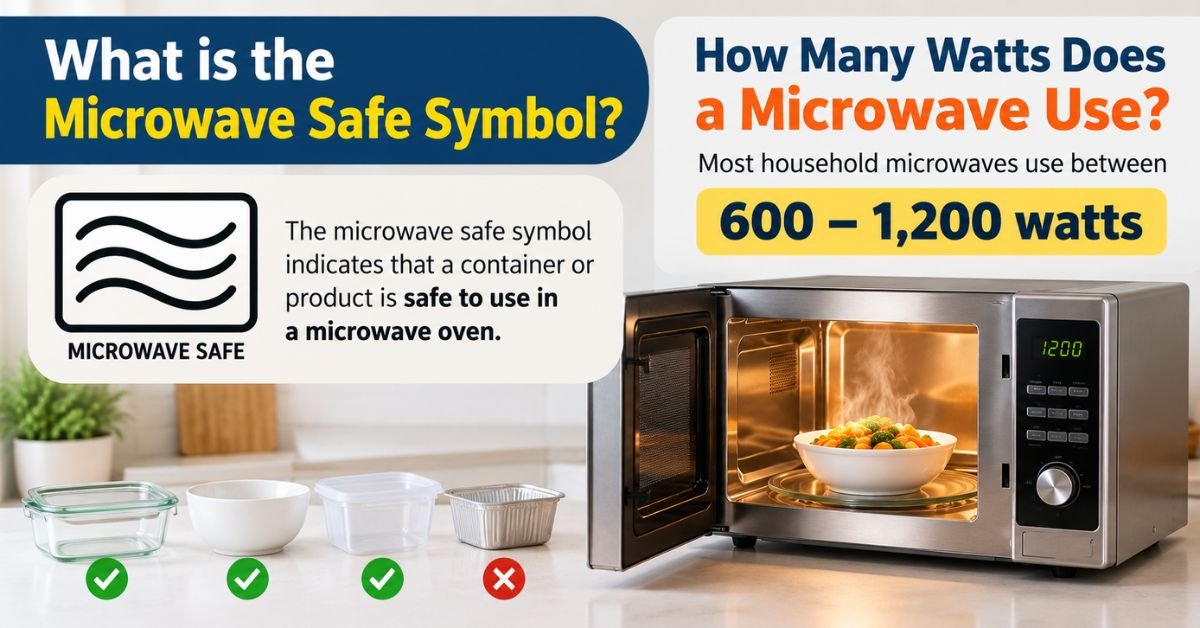
Most home microwaves use 600 to 1,200 watts while cooking, but their total power draw can reach 1,500 watts.
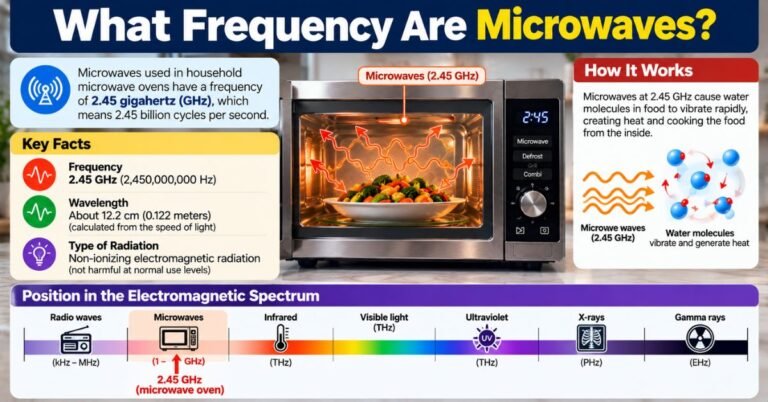
Knowing how many watts does a microwave use helps you estimate energy costs, choose the right appliance, and avoid overloading a kitchen circuit. The number on the front of a microwave often shows cooking power, not the electricity it pulls from the wall. This guide explains the difference with clear ranges, simple math, real-world examples, and practical safety tips.
How Many Watts Does a Microwave Use?
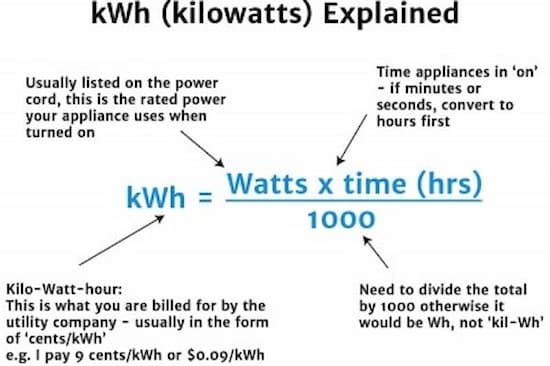
Most countertop microwaves use between 1,000 and 1,500 watts of electrical input. Compact models may use about 700 to 1,100 watts, while larger or commercial units can use 1,800 watts or more.
The cooking wattage is often lower than the wall power. For example, a microwave labeled “1,000 watts” may draw about 1,500 watts from the outlet. The 1,000-watt figure usually describes the microwave energy delivered to the food.
Here are common microwave wattage ranges:
• Compact microwave: 600 to 1,000 cooking watts
• Standard countertop microwave: 800 to 1,200 cooking watts
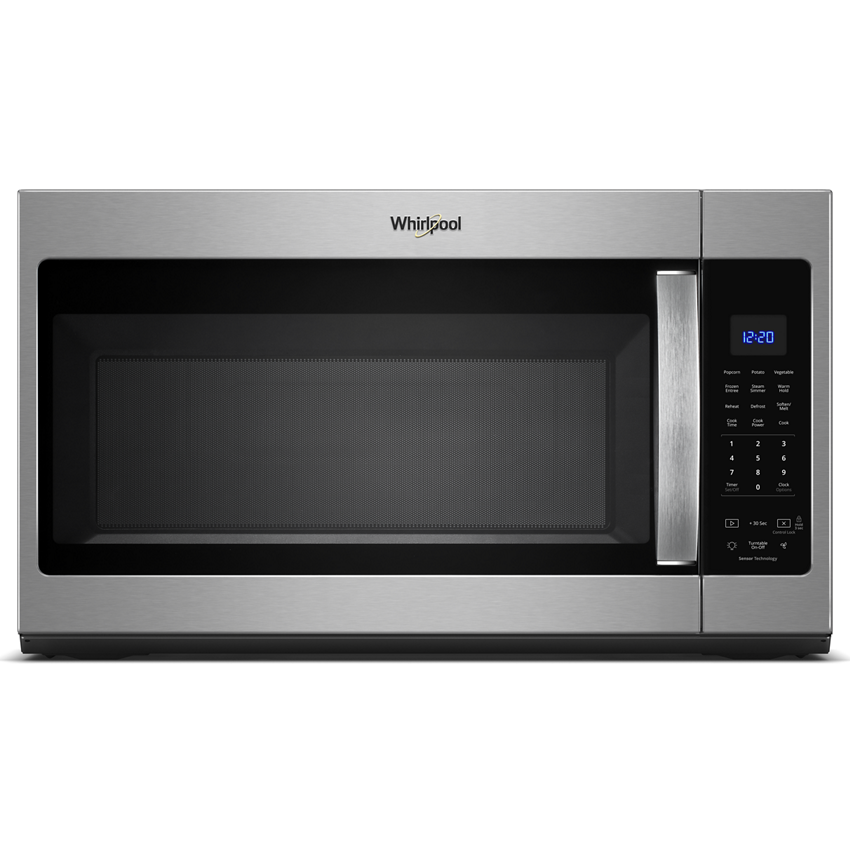
• Over-the-range microwave: 900 to 1,500 cooking watts
• Drawer microwave: 900 to 1,200 cooking watts
• Commercial microwave: 1,800 to 3,200 cooking watts
To understand how many watts does a microwave use in your home, check the rating label on the back, side, or inside the door frame. The owner’s manual may list both input power and output power.
Source: naturesgenerator.com
Microwave Cooking Watts vs. Input Watts
Microwave wattage has two main meanings: output power and input power. These numbers are related, but they are not the same.
Output power is the microwave energy that heats your food. Input power is the electricity the appliance takes from the wall. Some energy is lost as heat, sound, fan power, and electronic operation.
For example:
• Cooking output: 1,000 watts
• Electrical input: 1,500 watts
• Difference: About 500 watts used by the appliance’s other parts
This difference does not mean the microwave is defective. It is normal for an appliance to draw more electricity than it sends directly into the food.
A useful comparison is a car. The engine uses fuel, but not all that energy moves the wheels. A microwave works in a similar way. It needs electricity for the magnetron, fan, light, turntable motor, control panel, and cooling system.
When comparing models, use input watts to estimate electricity use. Use output watts to compare cooking speed.

Source: jmhpower.com
Typical Microwave Wattage by Type
The size and design of a microwave strongly affect its power use. A small dorm-room model will not draw the same amount of electricity as a large built-in unit.
Compact microwaves
Compact microwaves often have 600 to 900 cooking watts. Their input power commonly falls between 900 and 1,300 watts.
They are useful for reheating coffee, soup, frozen meals, and small portions. They may take longer to cook food because they produce less microwave energy.
Standard countertop microwaves
Standard models usually provide 900 to 1,200 cooking watts. Their electrical input often ranges from 1,200 to 1,700 watts.
This is the most common range for family kitchens. A 1,000-watt cooking model offers a good balance between speed, size, and energy use.
Over-the-range microwaves
Over-the-range models often use 1,000 to 1,500 cooking watts. Their total input may reach 1,500 to 2,000 watts.
These units also power a vent fan and cooktop light. When the fan or light runs, the appliance uses more electricity than it does during microwave cooking alone.
Built-in and drawer microwaves
Built-in and drawer models often use 900 to 1,200 cooking watts. Their input ratings can vary based on the brand, size, and ventilation system.
Some models include strong cooling fans. These fans may continue running for a short time after cooking ends.
Commercial microwaves
Commercial microwaves can use 1,800 to 3,200 cooking watts. Their input power may be higher than 3,000 watts.
Restaurants use these models because they need fast, repeated heating. A commercial microwave may require a dedicated circuit and should not be treated like a small home unit.

Source: energysage.com
How Much Electricity Does a Microwave Use?
A microwave’s wattage does not tell you the full cost of each use. You also need to know how long the microwave runs.
Use this formula:
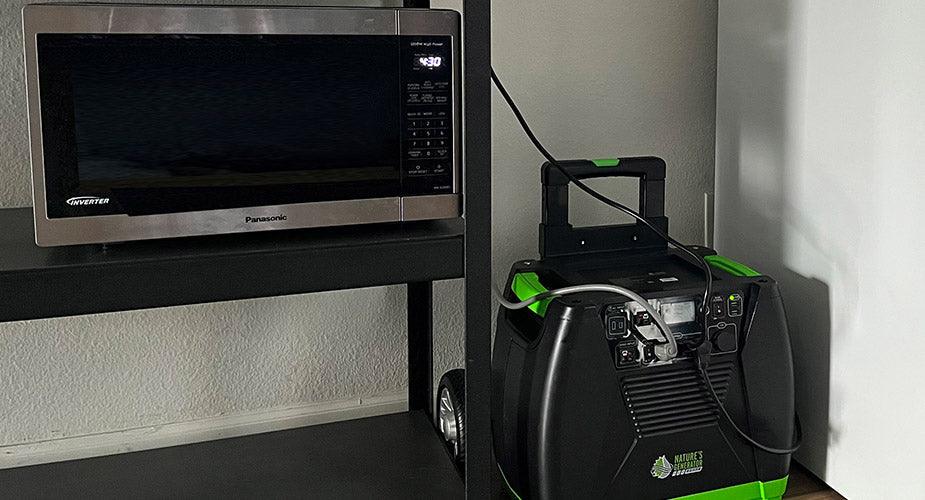
Electricity used in kilowatt-hours = watts ÷ 1,000 × hours used
For example, a microwave that draws 1,500 watts and runs for 10 minutes uses:
1,500 ÷ 1,000 × 0.167 = 0.25 kilowatt-hours
If electricity costs 17 cents per kilowatt-hour, that use costs about 4 cents.
Here are more examples:
• A 1,200-watt microwave used for 5 minutes uses about 0.10 kilowatt-hours.
• A 1,500-watt microwave used for 10 minutes uses about 0.25 kilowatt-hours.
• A 1,500-watt microwave used for 30 minutes uses about 0.75 kilowatt-hours.
• A 1,500-watt microwave used for one hour uses about 1.5 kilowatt-hours.
In normal home use, a microwave usually runs for only a few minutes at a time. This means its total monthly energy use may be lower than that of a refrigerator, oven, clothes dryer, or electric water heater.
Your actual cost depends on your local utility rate and the microwave’s input rating. A smart plug with energy monitoring can provide a useful estimate, but make sure it is rated for the appliance’s current load.

Source: batteryequivalents.com
Does Microwave Wattage Affect Cooking Time?
Yes. Higher wattage usually means faster cooking, but food type and quantity also matter.
A 1,200-watt microwave can heat many foods faster than a 700-watt model. However, cooking instructions often assume a specific wattage. If your microwave has less power than the instructions expect, you may need extra time.
A simple adjustment method is:
New cooking time = package time × listed wattage ÷ your microwave’s wattage
Suppose a package says to cook food for 4 minutes in a 1,100-watt microwave. Your microwave produces 800 cooking watts:
4 × 1,100 ÷ 800 = 5.5 minutes
This estimate is only a starting point. Food shape, moisture, container size, starting temperature, and stirring can change the result. Heat the food in short steps, stir when possible, and check that it reaches a safe temperature.
Higher wattage does not always mean better results. Some delicate foods can dry out or develop hot spots when cooked too quickly.
Source: ecoflow.com
How to Find Your Microwave’s Exact Wattage
The best way to learn how many watts does a microwave use is to read its rating label. Do not rely only on the large wattage number printed on the product box.
Check these locations:
• The inside wall near the door frame
• The back of the microwave
• The side panel
• The owner’s manual
• The manufacturer’s product page
Look for terms such as “input power,” “rated input,” “microwave output,” or “power consumption.” Input power is the number you need for estimating electricity use and circuit demand.
If the label lists only one wattage number, the manual may explain whether it means input or output power. You can also contact the manufacturer with the model number.
Some microwaves show power levels as percentages. For example, 50% power does not always mean the appliance continuously draws half its rated wattage. Many models use full power in cycles, switching the magnetron on and off.

Source: whirlpool.com
How to Measure Microwave Power at Home
A plug-in electricity meter can show how much power a countertop microwave draws. These meters measure voltage, current, watts, and sometimes total kilowatt-hours.
Use this method:
- Plug the energy meter into a properly grounded wall outlet.
- Plug the microwave into the meter.
- Run the microwave with a cup of water for one minute.
- Read the wattage shown on the meter.
- Repeat the test if the reading changes.
Use a microwave-safe cup and enough water to absorb the energy. Never run an empty microwave because reflected energy can damage the appliance.
The displayed number may change during cooking. The magnetron may cycle on and off at lower power settings, and the fan or turntable may continue to run after heating stops.
Do not use a small plug-in meter on a hardwired or commercial microwave unless the meter is designed for that load. If you are unsure, ask a qualified electrician.

Source: midea.com
How Many Amps Does a Microwave Use?
You can estimate amperage with this formula:
Amps = watts ÷ volts
In the United States, household outlets usually provide about 120 volts. A microwave drawing 1,500 watts would use:
1,500 ÷ 120 = 12.5 amps
A microwave rated at 1,800 watts would use about 15 amps. The actual current can vary slightly because voltage changes and motors may create a brief startup surge.
Many countertop microwaves should use a dedicated 15-amp or 20-amp circuit, especially if the input rating is high. Check the installation instructions and local electrical rules.
Avoid plugging a high-wattage microwave into an extension cord or power strip. These devices may overheat if they are not rated for the load. A grounded wall outlet is the safer choice.
If the circuit breaker trips often, stop using the microwave until the cause is checked. The problem may be an overloaded circuit, damaged cord, faulty outlet, or appliance fault.
Source: whirlpool.com
What Affects Microwave Power Consumption?
Several factors affect how many watts does a microwave use during daily operation.
Microwave size
Large microwaves usually need more power than compact models. They also tend to have larger cooking cavities and stronger magnetrons.
Cooking setting
A microwave may draw full power in short cycles when set to medium or low power. The average energy use is lower, but the instant wattage may still reach the rated input.
Cooking time
Longer cooking times use more electricity. Heating one bowl for 10 minutes uses more energy than reheating it for 2 minutes.
Extra features
Fans, lights, turntables, sensors, Wi-Fi controls, and display panels can add a small amount of power use. Over-the-range models may use more electricity when the vent fan is active.
Standby mode
A microwave uses a small amount of electricity while waiting for a command. The clock and control board may draw power all day.
Standby use is normally much lower than cooking use. Still, the yearly total depends on the model, display type, and time spent plugged in.
Is a Microwave Energy Efficient?
For small portions, a microwave is often an efficient way to heat food. It sends energy into the food directly instead of heating a large oven cavity or a whole pan.
A microwave may use less energy than a full-size electric oven for reheating leftovers. It can also produce less heat in the kitchen, which may reduce cooling needs during warm weather.
Efficiency depends on the task. A microwave is not always the best tool for large meals, baking, browning, or cooking food that needs a crisp surface.
To reduce waste:
• Heat only the amount you plan to eat.
• Cover food when suitable to hold in moisture.
• Use the correct power level.
• Stop the microwave as soon as the food is hot.
• Keep the door seal and interior clean.
• Use microwave-safe containers that fit the food amount.
• Avoid running the microwave empty.
A microwave may use high power for a short time, but short run time keeps total energy use modest.
Common Mistakes That Increase Microwave Energy Use
Many energy mistakes are simple and easy to prevent. They can also lead to uneven heating or appliance damage.
Using too much time
People often add several minutes “just to be safe.” This can dry out food and waste electricity. Start with a shorter time, stir, and add more heat in 15- to 30-second steps.
Ignoring the wattage on package instructions
A frozen meal may be tested for a 1,100-watt microwave. If your unit is weaker, the food may need more time. If your unit is stronger, the edges may overcook before the center is hot.
Running the microwave empty
An empty cavity gives microwave energy nowhere to go. This can stress the magnetron and shorten the appliance’s life.
Blocking ventilation
Do not cover the vents or push a countertop model tightly against a wall. Poor airflow can make the unit run hotter and may trigger thermal protection.
Using unsafe cookware
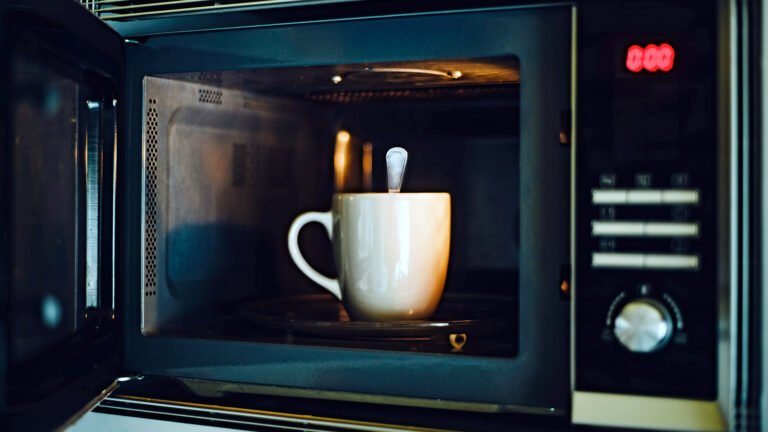
Metal can cause sparks in many microwave ovens. Some containers can melt, crack, or release unwanted chemicals when heated. Follow the container and microwave instructions.
In practical kitchen testing, one lesson appears again and again: correct portion size and short heating intervals matter more than chasing the lowest wattage model.
How Many Watts Does a Microwave Use Compared With Other Appliances?
Comparing appliances can put microwave energy use into perspective. A microwave may have high instant power, but it usually runs for a short period.
Approximate electrical power ranges include:
• Microwave: 700 to 2,000 watts
• Toaster: 800 to 1,500 watts
• Coffee maker: 600 to 1,500 watts
• Electric kettle: 1,000 to 1,800 watts
• Toaster oven: 1,200 to 1,800 watts
• Electric oven: 2,000 to 5,000 watts
• Hair dryer: 1,200 to 1,875 watts
A microwave and a hair dryer may have similar wattage, but a microwave may run for only a few minutes. A refrigerator uses less power at any moment, yet it runs throughout the day.
This is why wattage alone cannot show total energy cost. Runtime is just as important as power rating.
Choosing a Microwave Based on Wattage
The right wattage depends on your cooking habits, kitchen space, and electrical setup.
Choose a compact 600 to 900-watt model if you mainly reheat drinks, soup, and small meals. It may save space and have a lower input rating.
Choose an 900 to 1,200-watt model for general family use. This range handles most reheating, defrosting, and cooking tasks well.
Choose a high-power model above 1,200 watts if speed matters and your kitchen circuit can support it. Check the input rating before buying.
When comparing models, review:
• Cooking output wattage
• Electrical input wattage
• Interior capacity
• Circuit requirements
• Ventilation needs
• Noise level
• Sensor cooking features
• Warranty coverage
A high cooking-wattage microwave can reduce cooking time, but it may demand more power from the circuit. A balanced choice is usually better than simply buying the most powerful unit.
Frequently Asked Questions About How Many Watts Does a Microwave Use
How many watts does a microwave use during normal cooking?
Most home microwaves use about 1,000 to 1,500 watts of electrical input during normal cooking. Smaller models may use less, while large over-the-range and commercial units may use more.
Does a 1,000-watt microwave use exactly 1,000 watts?
Not always. The 1,000-watt label often refers to cooking output, while the appliance may draw 1,300 to 1,600 watts from the outlet.
How much does it cost to run a microwave for 10 minutes?
A 1,500-watt microwave running for 10 minutes uses about 0.25 kilowatt-hours. At an electricity rate of 17 cents per kilowatt-hour, that costs roughly 4 cents.
Can a microwave run on a 15-amp circuit?
Many household microwaves can run on a 15-amp circuit, but the input rating matters. A unit drawing close to 15 amps may need a dedicated circuit, so always follow the installation instructions.
Does using a lower power setting save electricity?
Usually, a lower setting reduces average energy use because the microwave cycles on and off. It may not reduce the instant wattage when the magnetron is active.
How can I find my microwave’s exact power consumption?
Read the input rating on the appliance label or measure it with a suitable plug-in energy meter. Never run the microwave empty during a test.
Conclusion
Most household microwaves use 600 to 1,200 cooking watts and about 1,000 to 1,800 watts of electrical input. The exact figure depends on the microwave’s size, design, cooking setting, and extra features.
Remember that wattage shows power, not total cost. To estimate energy use, multiply the microwave’s input watts by its operating time in hours, then divide by 1,000.
Check your model’s rating label, use a safe wall outlet, avoid extension cords, and heat food in short, careful steps. If this guide helped, compare your microwave’s input rating with your utility rate or share your model and wattage in the comments.