Can You Microwave Stainless Steel: Safety Guide
Usually no: stainless steel can spark in a microwave and may damage the oven or start a fire.
The answer to “can you microwave stainless steel” depends on the item, its shape, and your microwave’s manual. This guide explains the science, the rare exceptions, warning signs, and safer ways to heat food without guessing.
Can you microwave stainless steel?
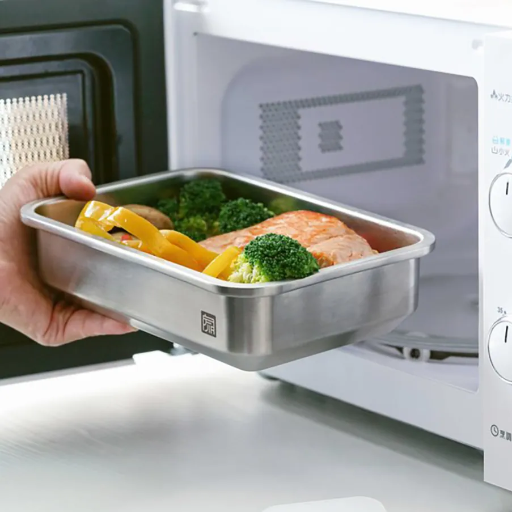
In most cases, you should not microwave stainless steel. Stainless steel is a metal, and metal can reflect microwave energy instead of allowing food to absorb it. This may cause uneven heating, sparks, arcing, or damage to the appliance.
The risk is higher when the stainless steel has sharp edges, thin points, crumpled areas, or touches the microwave wall. A fork, metal lid, twist tie, or small foil edge can act like a tiny lightning rod.
That said, some microwave ovens come with stainless steel racks or metal parts made for that exact model. These parts are tested with the oven and should remain in place when the manufacturer allows them. This does not mean every stainless steel bowl, cup, tray, or container is safe.
When asking “can you microwave stainless steel,” the safest general rule is simple: only use it if the microwave instructions clearly approve that specific item or accessory.

Why stainless steel can be dangerous in a microwave
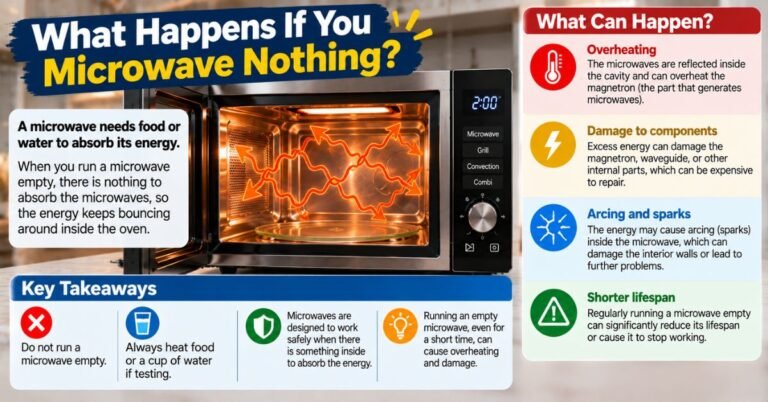
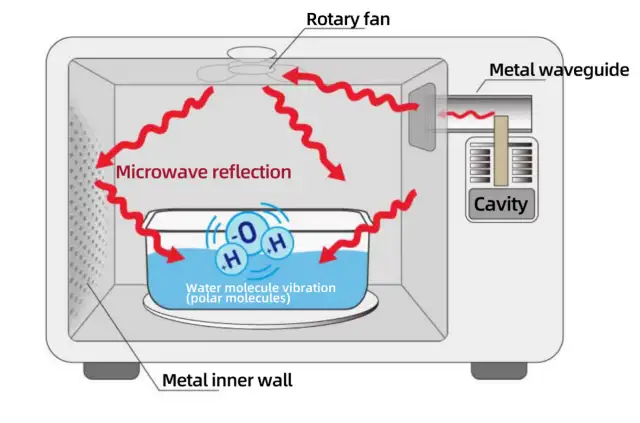
Microwaves heat food by producing electromagnetic energy. Water, fat, and sugar molecules in food absorb much of this energy and turn it into heat. Metal behaves differently because its free electrons move across its surface.
A smooth, rounded metal surface may reflect the energy without creating a problem right away. However, sharp edges and narrow points can concentrate electrical charge. That is why a metal fork can spark more easily than a large, smooth metal surface.
The main dangers include:
• Arcing, which appears as bright sparks or flashes
• Fire, especially when sparks reach grease, paper, or food residue
• Damage to the microwave’s interior or magnetron
• Uneven heating that leaves food cold in some areas
• Damage to the stainless steel item, its finish, or nearby surfaces
A microwave fire may begin with a small flash. It can grow quickly if the food is dry or greasy. For this reason, “it only sparked once” is not a good safety test.

Can you microwave stainless steel bowls, cups, and containers?
Most stainless steel bowls should not go in a microwave unless the manufacturer labels them microwave-safe for that use. A bowl may look smooth and harmless, but its rim can still produce an arc.
Stainless steel travel mugs and insulated bottles are also unsafe for microwave use. They often contain double walls, vacuum insulation, plastic seals, or hidden metal parts. Heating a sealed container can also create pressure, which may cause the lid to burst or food to spray.
Stainless steel lunch boxes and meal-prep containers should stay out of the microwave unless they include a microwave-safe insert designed for heating. Move the food to glass or ceramic before reheating.
The same advice applies when asking “can you microwave stainless steel” trays, plates, and food containers. The material name alone does not prove safety. Look for clear instructions from the maker and follow the microwave manual.

Can you microwave stainless steel with food inside?
Adding food does not automatically make stainless steel safe. Food may absorb some microwave energy, but the metal can still reflect energy and create hot spots or sparks.
A full container may behave differently from an empty one, but that difference is not reliable enough for home testing. The shape, thickness, food moisture, container position, and microwave design all matter.
Never microwave stainless steel with:
• A metal lid or sealed cover
• Sharp utensils inside the container
• Aluminum foil touching the container
• A dry paper towel pressed against the metal
• Greasy food near a sharp rim
• A container that is closed or pressure-sealed
If you are unsure whether you can microwave stainless steel with a particular meal, transfer the food to a microwave-safe glass or ceramic dish. This takes only a few seconds and removes most of the risk.

When is stainless steel allowed in a microwave?
There are limited exceptions. Some microwave manufacturers include a metal rack or stainless steel shelf as part of the oven’s design. These accessories are positioned and shaped for that appliance.
Certain combination microwave ovens also use metal trays during convection or grill modes. In these cases, the manual will explain which mode to use and where to place the tray. A tray approved for convection cooking may not be approved for microwave-only heating.
Follow these steps before using any stainless steel accessory:
-
Read the microwave manual, not just the label on the container.
-
Confirm the exact cooking mode.
-
Use only the supplied or approved accessory.
-
Keep the metal in the position shown by the manufacturer.
-
Remove any loose foil, utensils, or unapproved metal parts.
-
Stop the oven at once if you see sparks, smoke, or flashes.
The key point is that a tested accessory is not the same as an ordinary stainless steel item. Manufacturer approval matters more than appearance.

How to tell whether a stainless steel item is microwave-safe
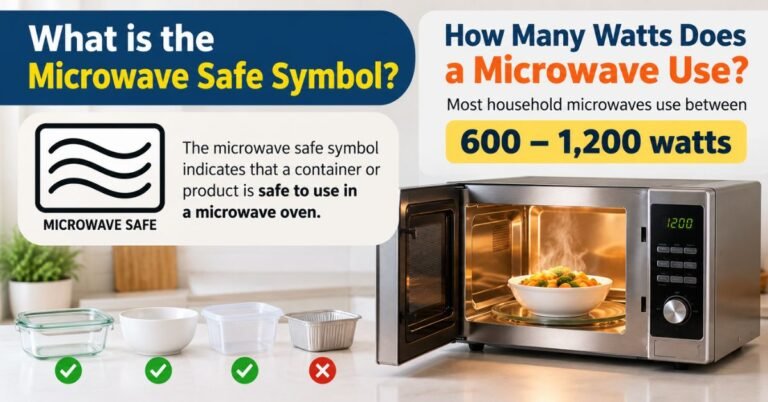
Packaging and product instructions are the best sources of information. Look for the words “microwave-safe” and clear heating directions. A recycling symbol, dishwasher-safe label, or food-grade stainless steel claim does not mean the item is safe in a microwave.
Check for:
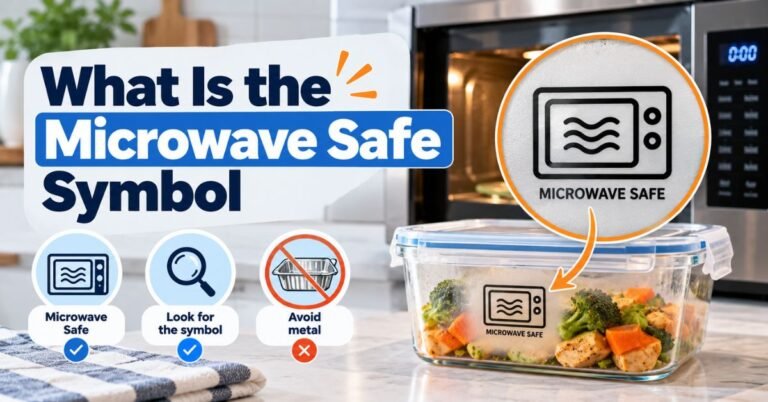
• A microwave-safe symbol
• Instructions that mention microwave heating
• A maximum heating time or power level
• A warning about lids or seals
• Approval for a specific microwave mode
Be careful with online listings that say a product is “oven-safe.” Oven-safe means the item can handle dry heat in an oven. It does not automatically mean the item can handle microwave energy.
If the product has no instructions, treat it as unsuitable for microwave use. When considering “can you microwave stainless steel,” uncertainty should lead to a safer alternative, not an experiment.
What to do if stainless steel sparks in the microwave
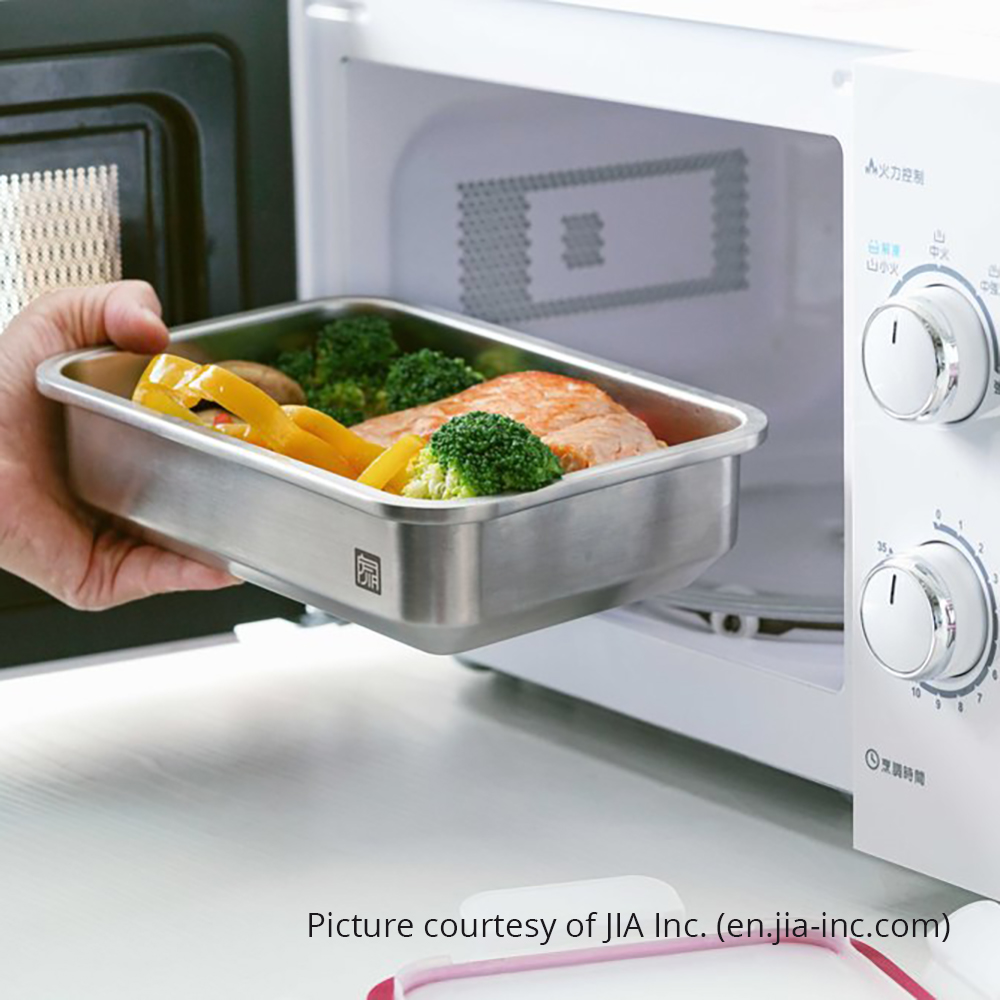
If stainless steel begins to spark, stop the microwave immediately. Press the stop button or open the door, depending on the model. Do not continue cooking to see whether the sparks stop.
Use this process:
-
Turn off the microwave.
-
Keep the door closed if you see flames.
-
Unplug the unit if you can do so safely.
-
Wait for the container and food to cool.
-
Check for scorch marks, melted parts, smoke, or damage.
-
Clean food residue from the microwave interior.
-
Ask a qualified technician to inspect the unit if sparking continues.
If a fire starts, keep the microwave door closed. Opening the door can feed the fire with oxygen. Disconnect power only if you can do it without touching flames or standing near smoke.
Never use water on an electrical or grease fire. Contact emergency services if the fire does not go out quickly or if smoke fills the room.
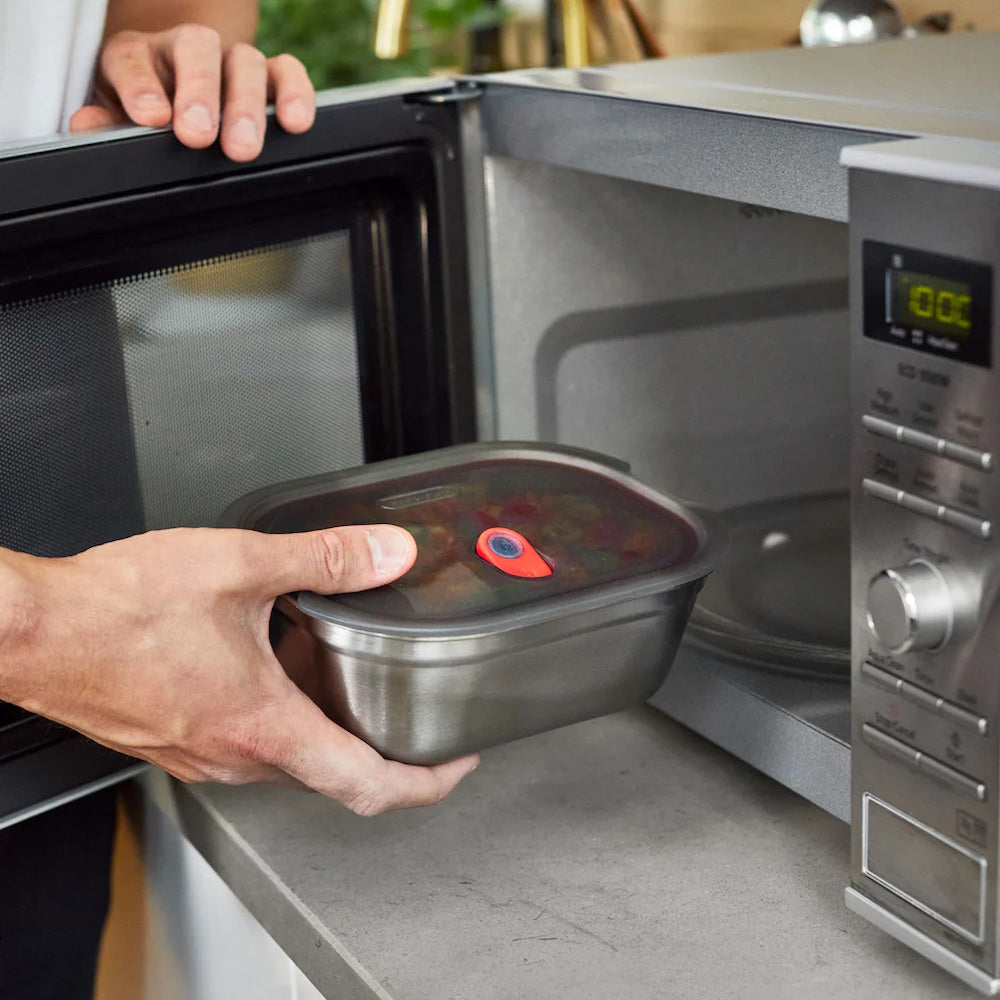
Safe alternatives to stainless steel in the microwave
Glass and plain ceramic are usually the easiest choices for microwave heating. Use dishes marked microwave-safe, and avoid items with metallic paint, gold trim, silver trim, or decorative metal designs.
Other useful options include:
• Microwave-safe silicone containers
• Heat-safe plastic labeled for microwave use
• Paper plates without metallic coatings
• Parchment paper approved for microwave heating
• Microwave-safe glass measuring cups
Plastic needs extra care. Some plastic containers can melt, warp, or allow chemicals to move into food when overheated. Do not use takeout containers, foam trays, or single-use packaging unless the package clearly says it is microwave-safe.
Loosen lids and leave a vent for steam. A covered dish can heat food well, but a sealed dish can build pressure. Steam needs a safe path out.
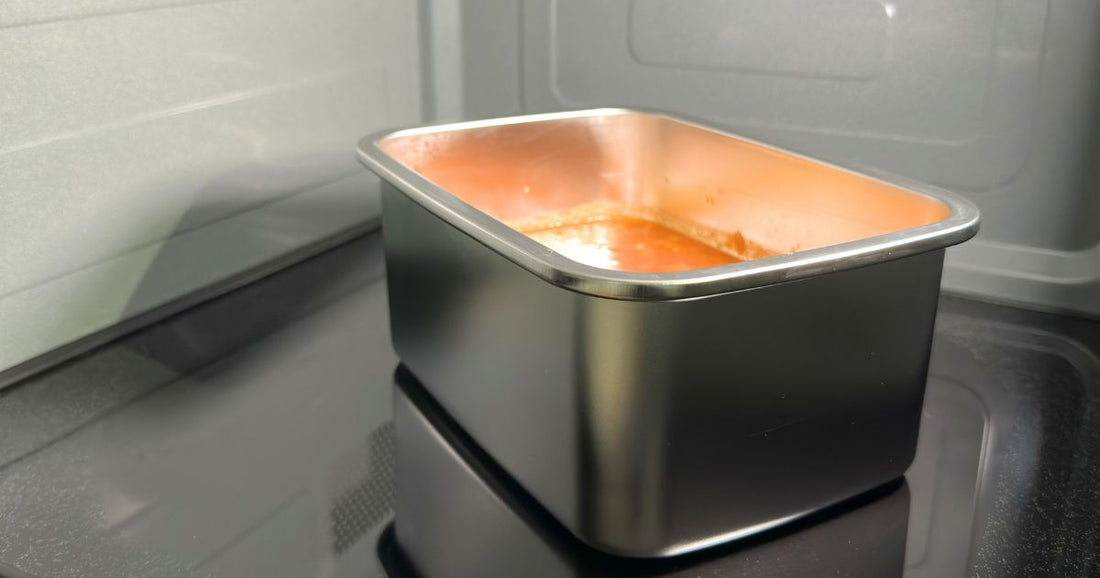
Common mistakes people make with stainless steel
One common mistake is assuming that a small amount of metal is harmless. A metal spoon, twist tie, or foil corner can still create an electrical arc.
Another mistake is relying on a short heating time. A brief cycle may not produce visible sparks, but that does not prove the setup is safe. The next cycle could have a different food load or a different container position.
I also recommend avoiding “microwave tests” with empty stainless steel containers. An empty container can reflect energy back toward the microwave’s internal parts. It gives you little useful information and adds unnecessary risk.
Other mistakes include:
• Leaving a metal lid on a glass or steel container
• Using a travel mug with hidden metal insulation
• Placing metal against the microwave wall
• Ignoring a manufacturer’s warning
• Using an oven-safe pan in microwave mode
• Continuing after the first spark
A practical lesson is to make the safe choice automatic: move food to glass or ceramic before reheating. It is faster than cleaning soot or replacing a microwave.
Stainless steel and microwave heating: a simple safety rule
Use this rule whenever you feel unsure: if the item is made of stainless steel and the manual does not clearly approve microwave use, do not put it inside.
This rule covers bowls, cups, lunch boxes, trays, utensils, and storage containers. It also answers “can you microwave stainless steel” more safely than relying on online anecdotes or a one-time test.
Remember these points:
• Metal reflects microwave energy.
• Sharp edges can cause arcing.
• Approved microwave accessories are special exceptions.
• Stainless steel containers may heat unevenly.
• Sealed containers can build dangerous pressure.
• Glass and plain ceramic are safer choices.
The microwave’s manual is the final authority for racks, combination ovens, and special accessories. If the manual is missing, search for the exact model number on the manufacturer’s support page.
Frequently Asked Questions About Can You Microwave Stainless Steel
Can you microwave stainless steel if it has no sharp edges?
Usually, no. A smooth surface may reduce the chance of arcing, but it does not make an ordinary stainless steel container microwave-safe. Use it only when the manufacturer specifically approves it.
Can you microwave stainless steel utensils?
No. Forks, knives, spoons, and other stainless steel utensils can create sparks, especially at their tips and edges. Remove them before starting the microwave.
Can you microwave stainless steel travel mugs?
No, unless the manufacturer clearly states that the exact mug is microwave-safe. Many travel mugs contain vacuum walls, hidden metal parts, or sealed lids that can create extra hazards.
Can you microwave stainless steel with aluminum foil?
Do not combine them unless your microwave manual gives specific instructions. Foil can spark when it is crumpled, folded, or close to the microwave wall, and stainless steel can add another reflective metal surface.
Can you microwave stainless steel in a combination oven?
Sometimes, but only in the cooking mode and position approved by the manufacturer. A stainless steel rack or tray designed for convection or grill cooking may not be safe during microwave-only operation.
What should you do if stainless steel sparks in the microwave?
Stop the microwave at once and keep the door closed if there are flames. After it cools, remove the item and inspect the oven for burn marks or damage before using it again.
Conclusion
So, can you microwave stainless steel? In most homes, the safe answer is no. Stainless steel can reflect microwave energy, cause arcing, heat food unevenly, and damage the appliance.
The main exception is a stainless steel rack or tray specifically approved for your microwave and cooking mode. When there is any doubt, move the food to microwave-safe glass, ceramic, or another clearly labeled container.
Check the manual, avoid sealed containers, and never ignore sparks. Share this guide with anyone who has wondered about microwave metal, and explore your appliance manual for its exact safety instructions.