Can You Microwave Ziploc Bags: Safe Tips And Alternatives
Yes, some Ziploc bags are microwave safe, but only when the package says so and you vent them.
The question “can you microwave Ziploc bags” sounds simple, but the safe answer depends on the bag type, food, heat, and cooking time. This guide explains how to check the label, reheat food safely, avoid melting or burns, and know when a glass or ceramic dish is the better choice.
Can You Microwave Ziploc Bags?
Yes, you can microwave some Ziploc bags. Many Ziploc storage and freezer bags are made for microwave defrosting and reheating. However, they are not all designed for cooking food at high heat.
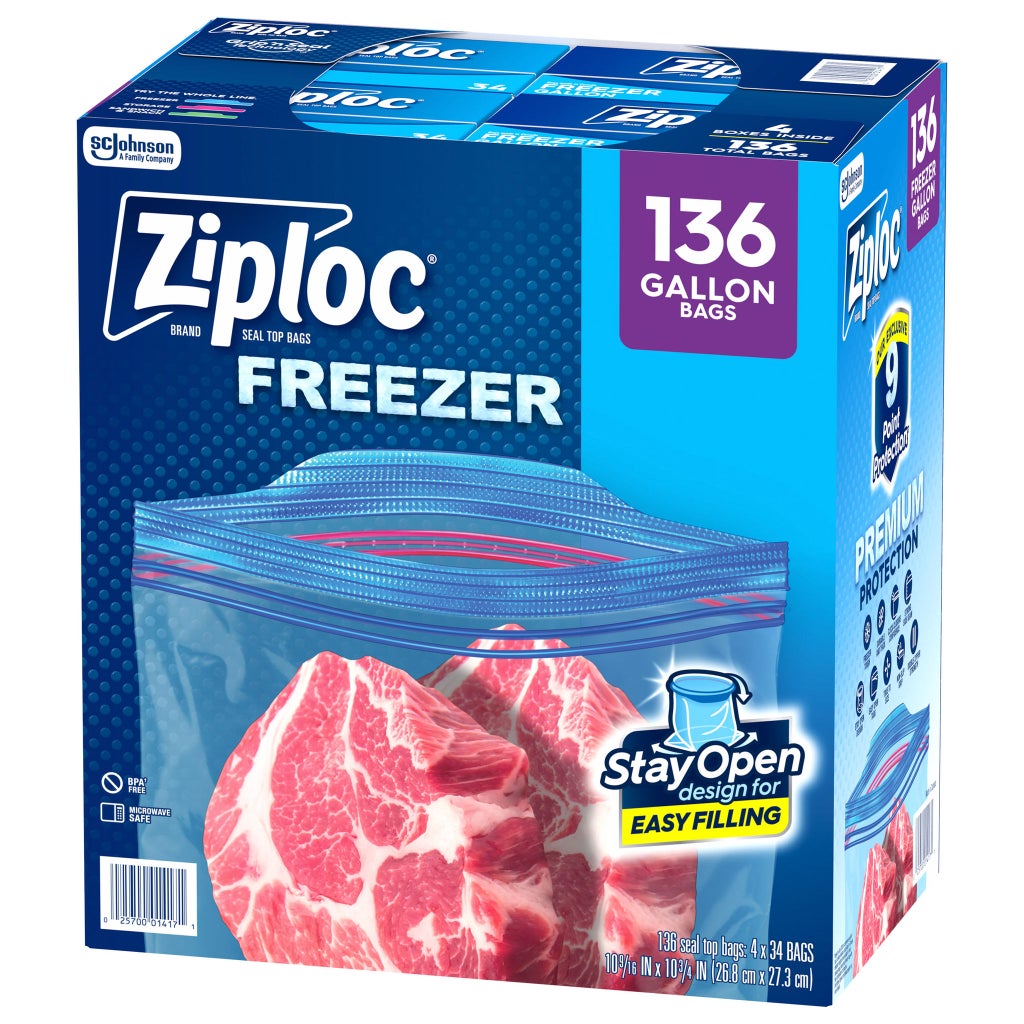
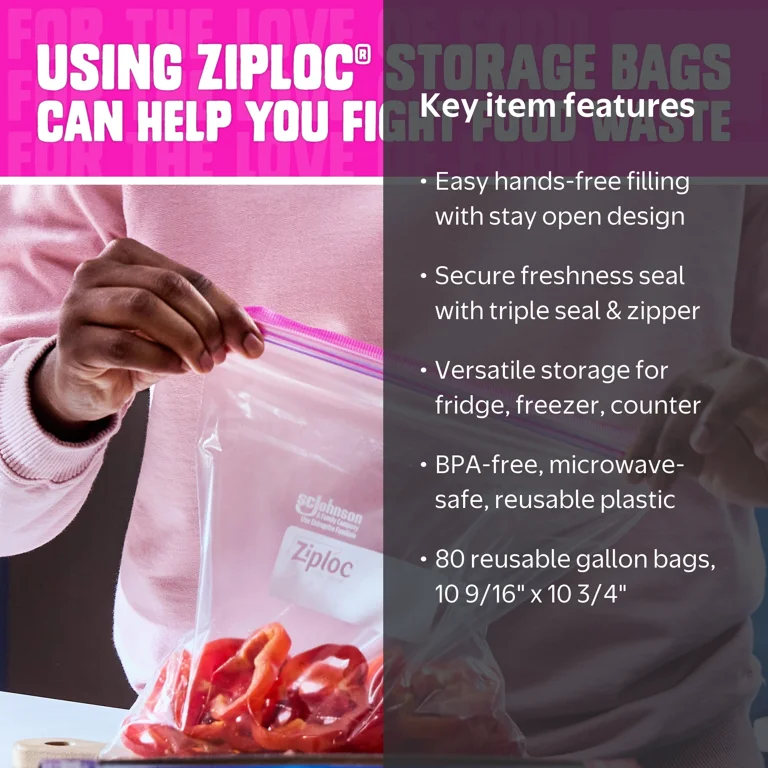
Always check the package first. Look for wording such as “microwave safe” or directions that allow microwave use. If the package does not mention microwave use, move the food to a microwave safe bowl.
When asking, “can you microwave Ziploc bags,” remember that “microwave safe” usually means safe for reheating or defrosting. It does not always mean the bag can safely hold boiling food, cook raw meat, or stay in the microwave for a long time.
Ziploc bags are made from plastic, often polyethylene. This plastic can soften when exposed to high heat. The bag may also touch the hot sides of the microwave or a hot food surface, which can increase the risk of melting.

Which Ziploc Bags Are Microwave Safe?
The product label is the most reliable guide. Different Ziploc products can have different materials and instructions, even when they look almost the same.
Use these simple checks before heating food:
• Read the front and back of the package for microwave instructions.
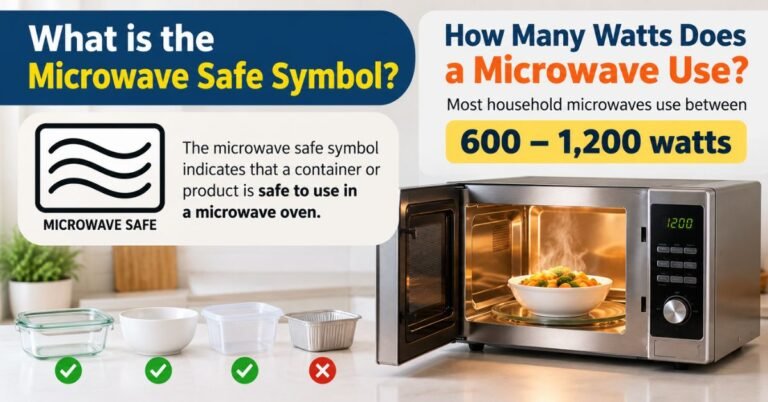
• Look for a microwave symbol or a clear statement that the bag is safe for reheating or defrosting.
• Check the product instructions for limits on cooking time and temperature.
• Do not assume that a freezer bag, storage bag, sandwich bag, or snack bag has the same heat rating.
• Throw away any bag that is cracked, cloudy, warped, or damaged.
A microwave safe Ziploc bag should still be used with care. The bag needs room for steam to escape. A sealed bag can swell and burst, even when the plastic itself is rated for microwave use.
If you are unsure whether you can microwave Ziploc bags, the safest choice is to transfer the contents to a microwave safe dish. Glass and plain ceramic are usually better for longer heating.
How to Microwave Food in a Ziploc Bag Safely
If the label allows microwave use, follow the steps below. These steps help reduce steam pressure, uneven heating, and contact with hot surfaces.
- Remove any metal parts
Take off twist ties, foil seals, metal clips, and metallic labels. Metal can spark and damage the microwave.
- Open the bag
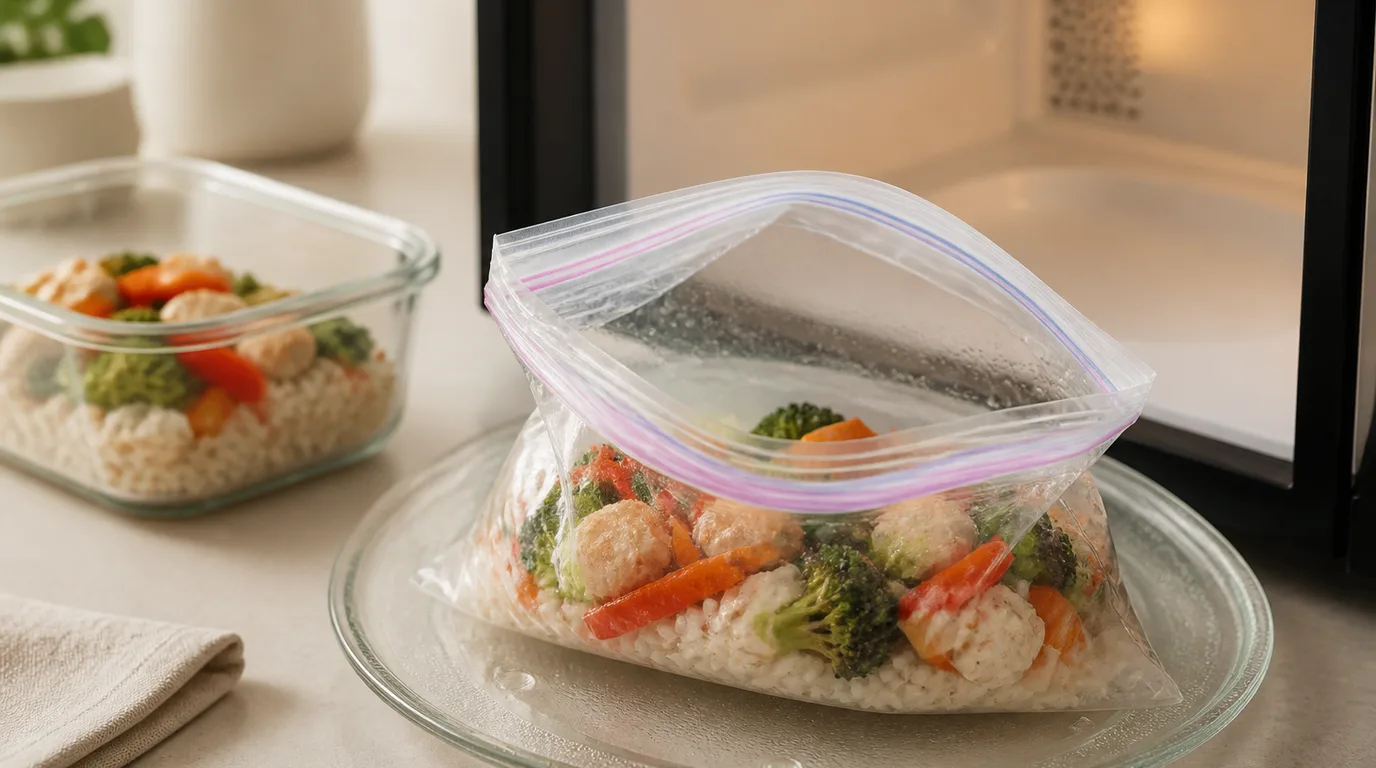
Never microwave a tightly sealed Ziploc bag. Open the zipper fully or leave one corner open so steam can escape.
- Place the bag on a microwave safe plate
The plate catches leaks and keeps the bag from touching the microwave floor. It also makes it easier to remove hot food.
- Use short heating intervals
Start with 15 to 30 seconds for small portions. Stir or turn the food between intervals. This helps prevent hot spots.
- Use medium power when possible
Lower power gives the food more time to warm evenly. It can also reduce the chance of sudden bubbling and pressure inside the bag.
- Check the bag during heating
Stop the microwave if the plastic begins to shrink, soften, smoke, or smell unusual. Do not touch a very hot bag with bare hands.
- Let the food rest
Allow the food to sit for a short time before opening it. Steam can escape suddenly and cause burns.
- Check the food temperature
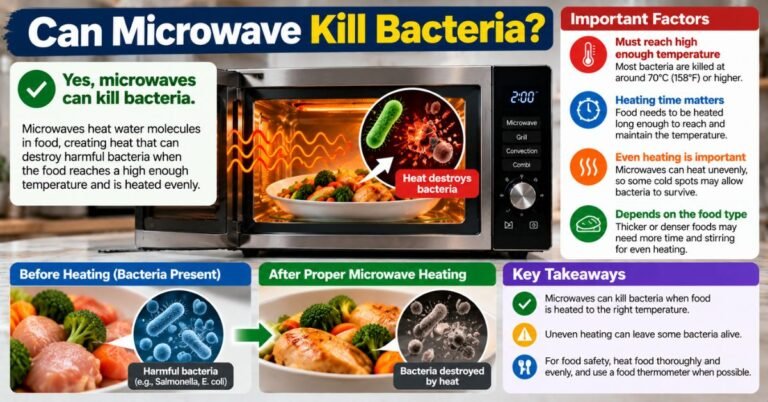
Food should be hot all the way through. For leftovers that contain meat, poultry, eggs, or seafood, use a food thermometer when possible. Reheated leftovers should reach 165°F, according to food safety guidance.
These steps explain how to microwave Ziploc bags with less risk. Still, a bag is best for short reheating jobs, not long cooking sessions.

What Foods Can You Reheat in a Ziploc Bag?
A labeled microwave safe Ziploc bag may work for small amounts of food. The food should not be extremely hot, oily, or likely to create a large amount of steam.
Foods that may work for short reheating include:
• Cooked vegetables
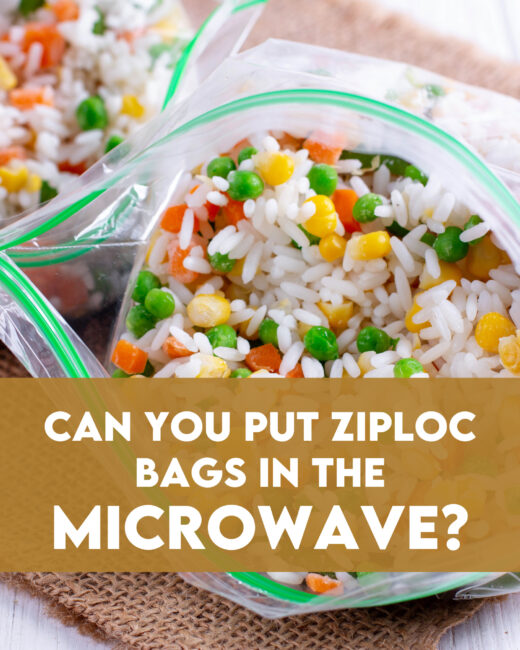
• Rice and pasta
• Frozen fruit
• Small portions of cooked meat
• Frozen meals that need gentle defrosting
• Bread and baked goods
• Soup ingredients during defrosting
Frozen food often works well because it heats more slowly. Even then, open the bag and use short intervals. Frozen blocks can heat unevenly, leaving cold centers and very hot edges.
Be more careful with oily foods, such as bacon, fried chicken, butter, cheese, and thick sauces. Oil can become much hotter than water. It may cause the plastic to soften or create a hot spot.
Do not use the bag for foods that need browning, frying, or high heat. A Ziploc bag cannot replace an oven safe pan or microwave browning dish.

What Foods Should You Never Microwave in a Ziploc Bag?
Some foods create too much heat, pressure, or uneven cooking for a plastic bag. In these cases, use glass, ceramic, or a container made for microwave cooking.
Avoid microwaving Ziploc bags with:
• Raw meat, poultry, or fish that needs full cooking
• Very oily foods
• Boiling liquids
• Thick sauces that can trap steam
• Food sealed tightly inside the bag
• Food that needs long cooking times
• Food with bones that may puncture the plastic
• Very hot food straight from a pan
Raw meat is especially risky. A bag may not heat the meat evenly, and raw juices can leak onto the microwave or nearby surfaces. Use a microwave safe dish and follow safe cooking temperatures instead.
Do not microwave a bag if it is touching the microwave wall, ceiling, or floor. The plastic may melt in a hot spot. Also, never place a Ziploc bag under a microwave broiler or use it in a conventional oven.
Why Can Microwaving Ziploc Bags Be Risky?
The main risk is not that every Ziploc bag will melt right away. The concern is that heat, steam, food, and plastic can interact in ways the user cannot always see.
Here are the main concerns:
Melting or warping
Plastic can soften when exposed to high heat. A softened bag may tear when lifted. Hot food can then spill onto your hands or skin.
Steam pressure
A sealed bag can fill with steam. Like a small balloon, it may expand until the seal opens or the bag bursts. This can create a hot mess and cause serious burns.
Uneven heating
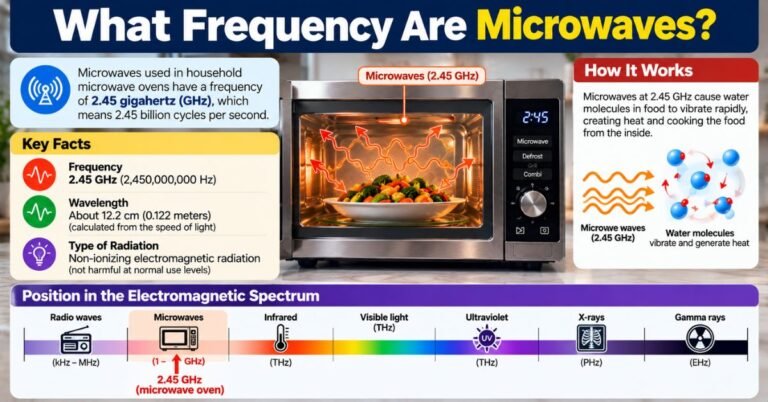
Microwaves heat food in waves. One area may stay cold while another area becomes very hot. Stirring and using short intervals helps, but it does not remove the problem completely.
Leaks and punctures
Bones, sharp frozen food, and hard edges can make small holes. A leak can spread bacteria from raw food or create a burn hazard from hot liquid.
Chemical concerns
Food grade plastics are made for specific uses. A bag labeled for microwave use has been designed for that kind of contact under stated conditions. A bag without microwave instructions has not given you the same safety assurance.
The U.S. Food and Drug Administration evaluates food contact materials, but safe use still depends on following the product directions. No package label can protect against misuse, such as sealing the bag or heating it next to a heating element.
Can You Microwave Ziploc Bags for Defrosting?
Yes, some Ziploc bags can be used for defrosting when the label permits it. Defrosting is usually gentler than cooking because the food is kept at a lower temperature for a shorter time.
Open the zipper before placing the bag in the microwave. Use the defrost setting or low power. Turn the food often, and transfer raw meat to a dish as soon as it begins to thaw.
Do not let raw meat sit at room temperature while you decide what to do next. Cook it right after microwave defrosting. This follows common food safety guidance because parts of the food may become warm during thawing.
For the cleanest method, place the bag on a plate with a rim. This catches meat juices and keeps the microwave easier to clean.

Can You Microwave Ziploc Bags for Reheating Leftovers?
You can reheat leftovers in a microwave safe Ziploc bag if the package instructions allow it. Keep the bag open, use short heating periods, and stir the food when possible.
For rice, pasta, vegetables, and similar foods, add a small amount of water if they seem dry. Moisture helps the food heat more evenly. Do not fill the bag to the top, because expanding food and steam need space.
A glass bowl is often a better choice for large portions. It is more stable, easier to stir, and less likely to touch a hot microwave surface.
My practical rule is simple: use a Ziploc bag for quick, gentle reheating, but choose a dish for anything hot, oily, large, or slow to heat. This small habit prevents many spills and saves time during cleanup.
Better Alternatives to Microwaving Ziploc Bags
A Ziploc bag is useful for storage, but it is not always the best heating container. Safer and more practical alternatives include:
• Glass food storage containers labeled microwave safe
• Plain ceramic bowls without metallic paint
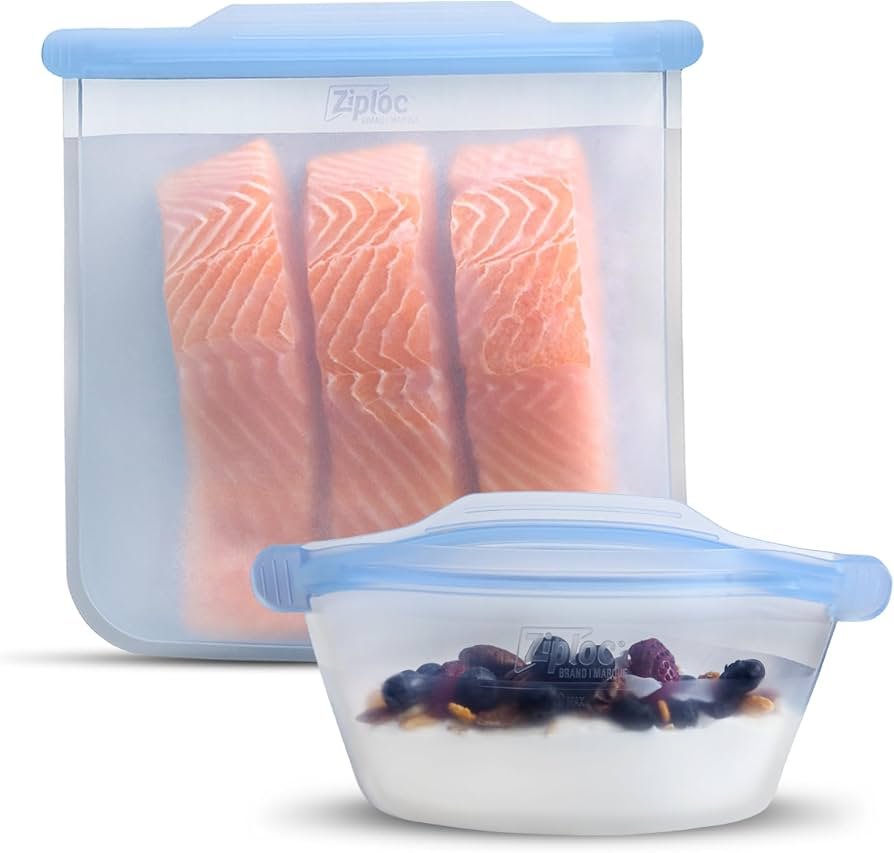
• Microwave safe silicone containers
• Vented plastic containers designed for microwave use
• Microwave safe plates with a loose cover
Choose a container that is large enough for the food to expand. Leave space at the top for steam. If you use a cover, make sure it is vented or placed loosely.
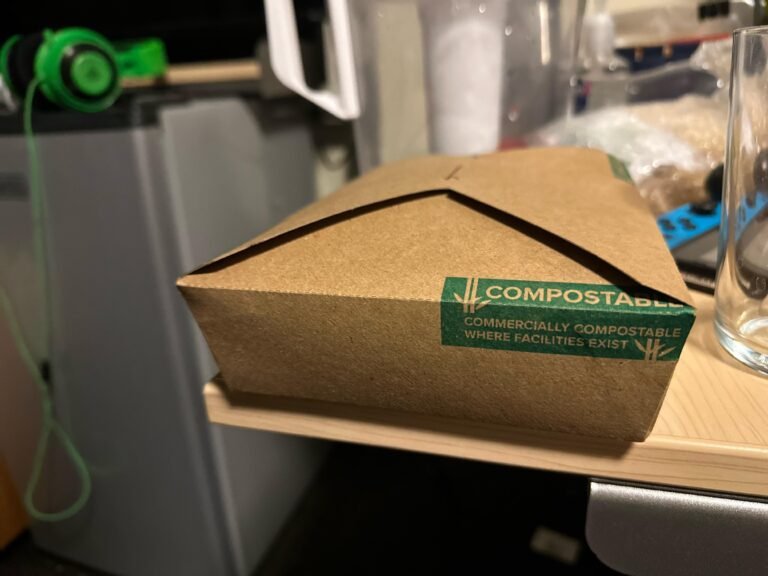
Avoid containers with metal trim, foil, unknown plastic, or damage. Some takeout containers are not made for reheating and can bend or release unwanted substances when heated.
For soups and sauces, glass or ceramic is usually the easiest option. For frozen food, a microwave safe silicone container may offer more flexibility than a thin storage bag.
Common Mistakes to Avoid
Many problems happen because people treat every plastic bag as if it has the same heat rating. These mistakes are easy to prevent.
• Do not seal the bag before heating.
• Do not use a bag that has no microwave instructions.
• Do not heat food for several minutes without checking it.
• Do not microwave a damaged or reused bag.
• Do not place the bag directly on a hot plate or cooking surface.
• Do not use a Ziploc bag in a regular oven, toaster oven, air fryer, or under a broiler.
• Do not handle a hot bag near your face.
• Do not reuse a bag that held raw meat unless the product instructions clearly support reuse and it has been washed well.
A bag that looks fine after one use may still be weaker. Heat, grease, and sharp food can damage the plastic. When in doubt, discard it and use a proper container.
How to Tell If a Ziploc Bag Is No Longer Safe
Inspect the bag before using it. Small changes can signal that the plastic is no longer suitable for food storage or heating.
Do not microwave or reuse the bag if you notice:
• A melted spot
• A cloudy or white area
• A warped seam
• A broken zipper
• A strong plastic smell
• A tear or pinhole
• Sticky or greasy plastic that will not wash clean
If the bag sticks to the food, stop using it. Do not scrape melted plastic from food and eat around it. Discard the food and clean the microwave after it cools.
Safety is not only about the plastic. It is also about the food inside it. A dirty or poorly washed bag can carry bacteria, especially after holding raw meat, eggs, or seafood.
Frequently Asked Questions About Can You Microwave Ziploc Bags
Can you microwave Ziploc storage bags?
You can microwave some Ziploc storage bags for short reheating or defrosting if the package says they are microwave safe. Keep the bag open and follow the printed instructions.
Can you microwave Ziploc freezer bags?
Some Ziploc freezer bags may be used for microwave defrosting or reheating, but freezer safe does not automatically mean microwave safe. Check the exact package before heating food.
Can you microwave a sealed Ziploc bag?
No, you should not microwave a sealed Ziploc bag. Steam can build pressure inside the bag and cause it to burst.
Can you microwave Ziploc bags with raw meat?
It is best to transfer raw meat to a microwave safe dish. A dish gives you better support, helps catch juices, and allows more even heating.
Do Ziploc bags release chemicals in the microwave?
A bag labeled for microwave use is made for the stated conditions, but misuse can cause melting or damage. Do not heat unlabeled bags, oily food, or food for long periods.
Can you microwave Ziploc bags for soup?
It is safer to use a glass or ceramic bowl for soup. Hot liquid can create steam, leak through the seal, and make the bag difficult to handle.
Can you reuse a microwaved Ziploc bag?
You may reuse a bag for dry foods if it remains clean and undamaged, but do not reuse one that held raw meat or shows heat damage. Always follow the product directions.
Conclusion
So, can you microwave Ziploc bags? Yes, but only when the specific bag is labeled for microwave use and you follow safe heating steps. Keep the bag open, use short intervals, avoid high heat and oily foods, and stop using it if it melts, warps, or leaks.
For soups, raw meat, large portions, and long heating times, a microwave safe glass or ceramic dish is the better choice. Check your bag’s label before heating, and share your own kitchen tips or questions in the comments.