Can You Microwave Wax Paper: Safe Use Guide
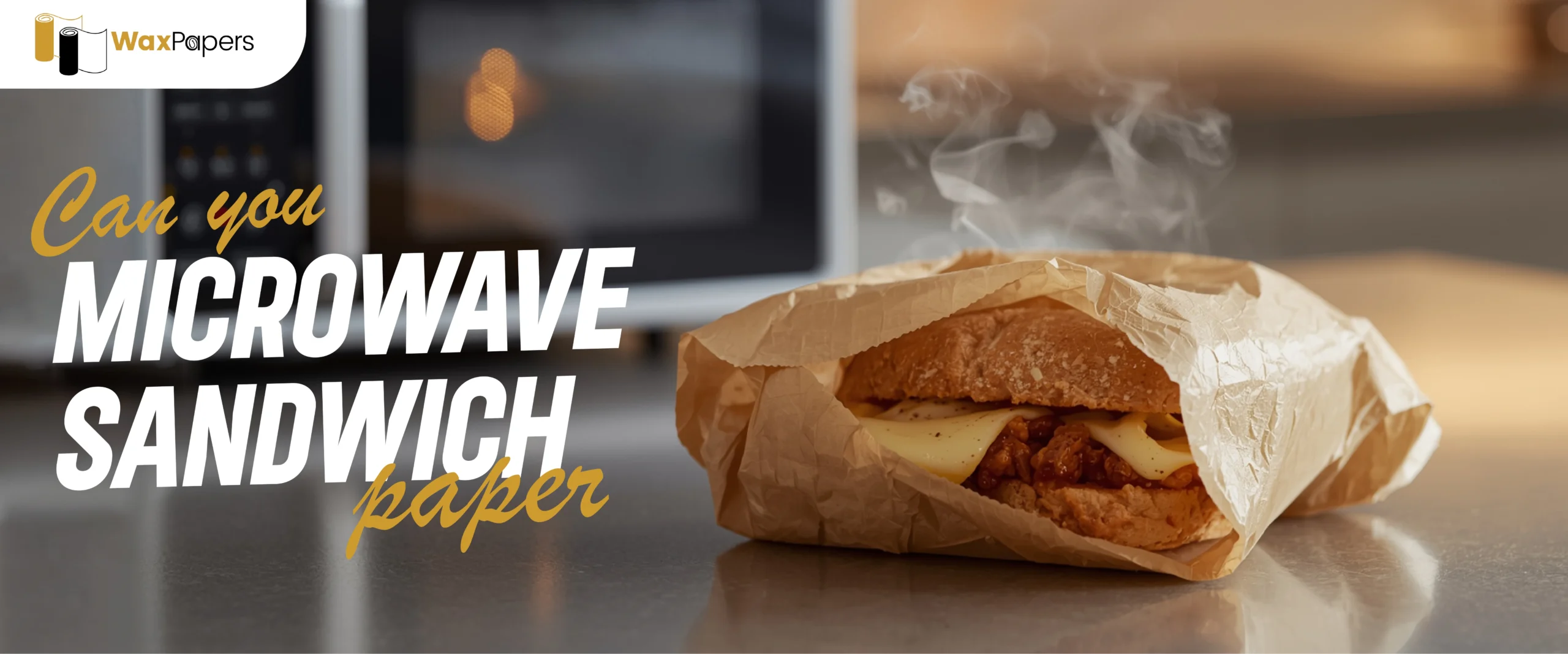
Yes, you can microwave wax paper for short heating tasks when the package says it is microwave-safe.
Many home cooks ask, “Can you microwave wax paper?” because it looks like parchment paper but has a wax coating. The answer depends on the product, cooking time, heat level, and how you use it. This guide explains when wax paper is safe, when it may melt or smoke, and which alternatives work better.

Can You Microwave Wax Paper Safely?
In most cases, you can microwave wax paper for short periods. It is often used as a loose cover over bowls, plates, and food containers. The paper helps stop splatters while allowing some steam to escape.
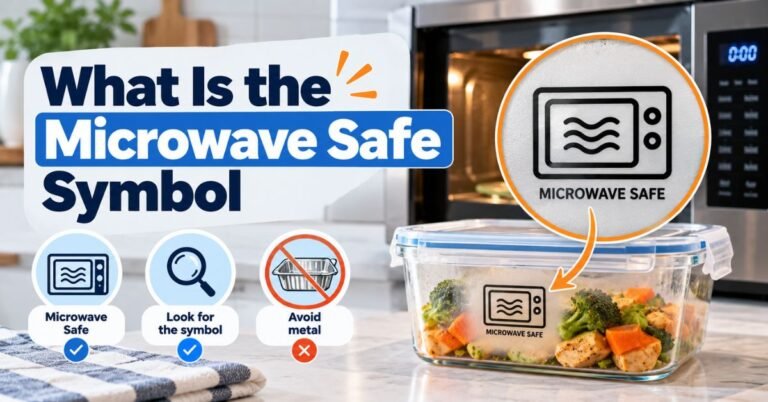
Still, “microwave-safe” is the key phrase. Check the package before use. Some brands clearly approve microwave use, while others give no heating guidance.
Wax paper has a thin coating of paraffin or another food-safe wax. That coating gives it a smooth, moisture-resistant surface. It also means wax paper can soften or melt when it touches very hot food for too long.
If you wonder, “Can you microwave wax paper?” use these basic rules:
• Use wax paper only for short heating periods.
• Keep it loose rather than sealing the dish.
• Do not let it touch a heating element or the sides of the microwave.
• Stop heating if the paper curls, darkens, smokes, or smells unusual.
• Follow the directions printed on the package.
The United States Department of Agriculture notes that wax paper can be used as a microwave cover. However, food safety agencies also advise using materials according to their labels and avoiding damaged or unsuitable packaging.

What Happens to Wax Paper in the Microwave?
A microwave heats food mainly by exciting water molecules. The wax paper itself usually does not absorb much microwave energy. This is why it can remain fairly cool while the food underneath becomes hot.
The food, steam, and hot liquid are the real sources of heat. If the wax coating meets very hot food, it may soften. In some cases, a small amount of wax can transfer to the food.
This does not usually create an immediate danger when the product is made for food use. Yet melted wax can change the taste and texture of food. It can also make the paper stick to the food.
Wax paper may also become unsafe when it dries out. For example, a sheet placed over plain bread or an empty plate may heat unevenly. Dry paper can become hot and may scorch if it stays in the microwave too long.
Think of wax paper as a light raincoat. It can handle moisture and gentle heat, but it is not built for extreme heat or direct contact with a hot surface.

When Is Wax Paper Useful in the Microwave?
Wax paper is useful when you need a simple cover. It can protect the inside of your microwave from splashes and help keep food moist.
Common uses include:
• Covering soup, chili, or stew while reheating
• Covering pasta with sauce
• Placing a sheet over vegetables
• Covering a plate of leftovers
• Separating small food portions during short heating
• Lining a microwave-safe plate for low-fat foods
Place the wax paper loosely over the container. Leave a small opening at one edge so steam can escape. A sealed cover can trap pressure and cause hot liquid to burst out when you remove it.
For a bowl of soup, heat in short bursts of 30 to 60 seconds. Stir between bursts. This method reduces hot spots and gives you better control than one long heating cycle.
If you ask, “Can you microwave wax paper?” because you want to cover food, the answer is usually yes. If you want to cook food directly on the paper for a long time, choose a different material.
When Should You Avoid Microwaving Wax Paper?
Wax paper is not the best choice for every microwave task. Avoid it when the food may become extremely hot, dry, or greasy.
Do not use wax paper in these situations:
• Cooking food for a long time at high power
• Heating food with little or no moisture
• Reheating greasy food that may reach a high temperature
• Covering food with exposed bones or sharp edges
• Letting the paper touch the microwave ceiling or walls
• Using wax paper that is torn, stained, or not labeled for food use
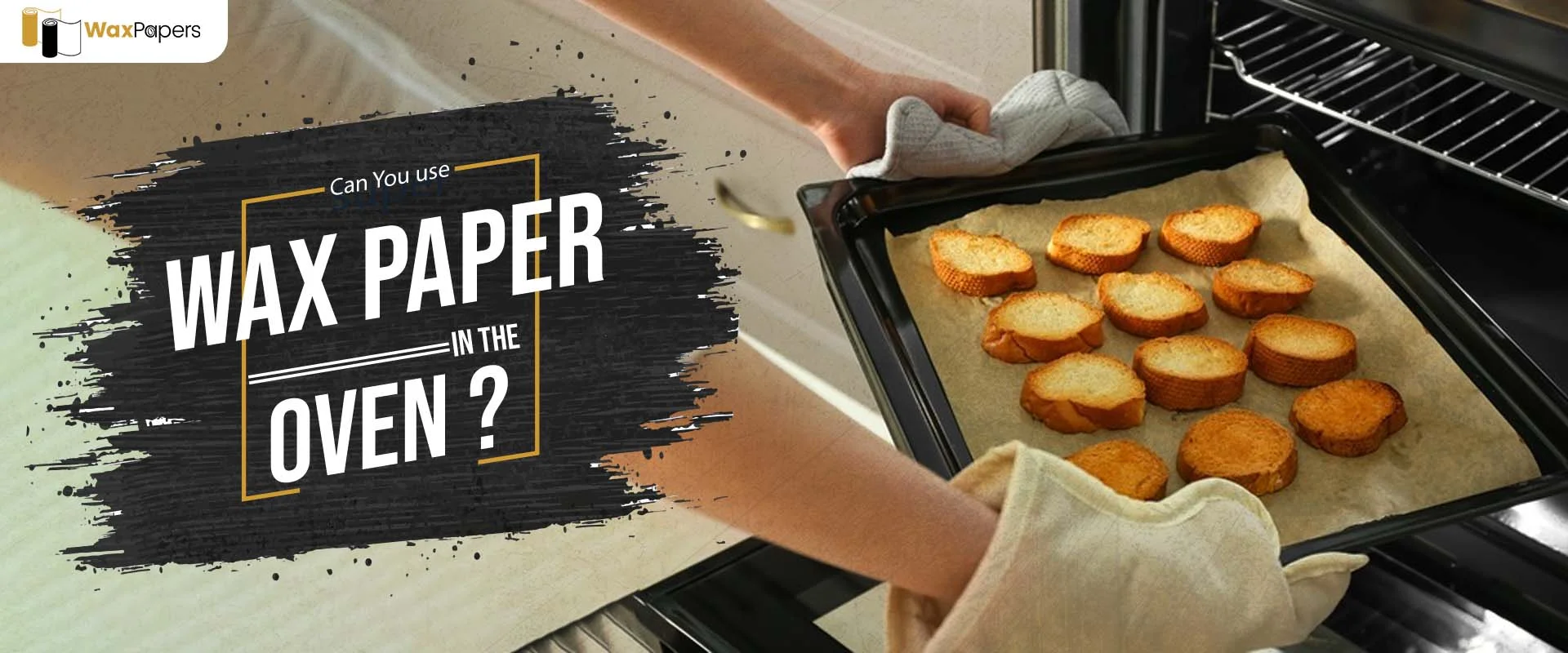
• Using wax paper in a conventional oven, toaster oven, air fryer, or broiler
Microwave cooking and oven cooking are not the same. A microwave-safe item may fail in a conventional oven because an oven uses dry, intense heat. Wax paper can melt, smoke, or catch fire under those conditions.
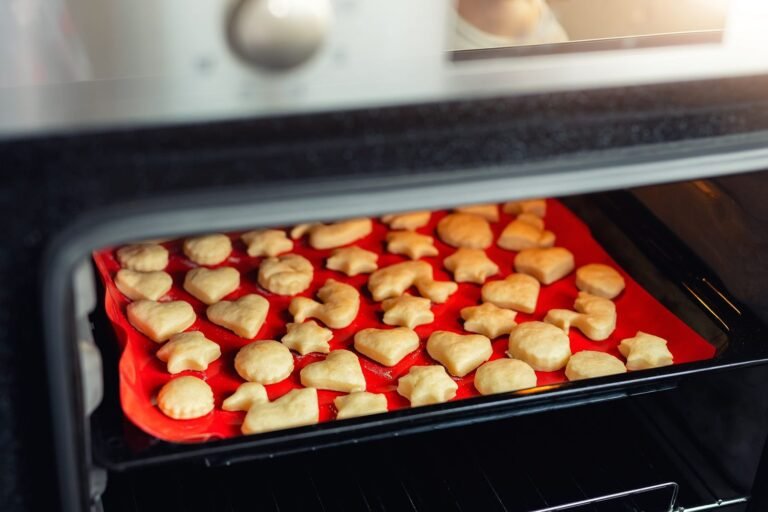
Never use wax paper as a substitute for parchment paper in baking. Parchment paper is designed to handle higher oven temperatures. Even parchment paper has temperature limits, so always follow the package instructions.

Can Wax Paper Catch Fire in a Microwave?
Wax paper is not likely to catch fire during normal, short microwave heating. The risk rises when the paper becomes very hot, dry, or exposed to direct heat.
A microwave can create hot spots. This is especially true when food has low moisture or uneven shape. A dry sheet of paper may heat more than expected near very hot food.
Watch for warning signs:
• A burnt smell
• Brown or black spots
• Smoke
• Curling or shrinking
• Melted coating
• Sparks or popping sounds
If you notice any warning sign, stop the microwave at once. Keep the door closed for a moment if you see smoke. Do not touch the paper until it has cooled.
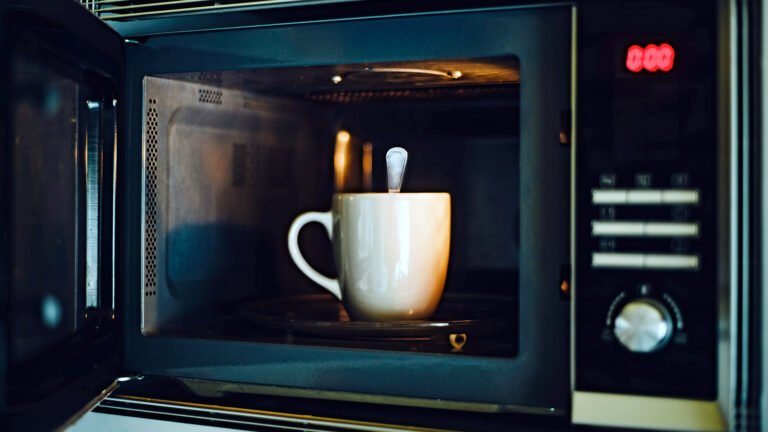
A small amount of wax paper should not cause sparks by itself because it does not contain metal. If sparks appear, another item may be responsible, such as foil, a metallic trim, or a twist tie.

How to Microwave Wax Paper the Right Way
Using wax paper safely is simple. The main goal is to control heat, steam, and contact.
-
Check the label. Look for wording such as “microwave-safe” or microwave-use instructions.
-
Use a microwave-safe plate or bowl. Wax paper should not be the only barrier between food and an unsafe container.
-
Cut a sheet large enough to cover the food. Do not let it hang into the microwave.
-
Place the paper loosely over the food. Leave a small vent for steam.
-
Heat at medium or high power for a short time. Start with 30 to 60 seconds.
-
Stir or rotate the food when possible. This helps spread heat evenly.
-
Check the paper before continuing. Replace it if it becomes soft, dark, or damaged.
-
Remove the cover carefully. Steam can escape quickly and cause burns.
Use oven mitts when removing a hot bowl. The paper may feel cool, but the food and steam beneath it can be very hot.
A useful kitchen habit is to treat every microwave cover as temporary. Heat, check, stir, and heat again. This small pause prevents many spills and overheated spots.
Wax Paper vs. Parchment Paper in the Microwave
Wax paper and parchment paper look similar, but they serve different purposes.
Wax paper has a wax coating. It works well for food storage, rolling dough, separating food layers, and short microwave covering. It is not designed for high, dry heat.
Parchment paper has a silicone coating. It is made to resist higher heat and is commonly used for baking. Many parchment products are also suitable for microwave use, but the package directions still matter.
Here is a simple comparison:
• Wax paper: Best for cold food, storage, and short microwave covering
• Parchment paper: Best for baking, roasting, and microwave cooking when labeled safe
• Paper towel: Useful for absorbing moisture and covering food, but it may dry out or tear
• Microwave-safe lid: Best for repeated reheating when it has a steam vent
• Glass lid: Useful when labeled for microwave use, but it may become hot
If you are baking or cooking food for more than a few minutes, parchment paper is usually the better choice. If you are only covering leftovers, wax paper may be enough.

Can Wax Melt Into Food?
Wax can soften or melt when it touches very hot food. The amount is usually small, but melted wax may stick to the food or leave an odd texture.
This is more likely when you heat oily foods, thick sauces, or foods with very high surface temperatures. Grease can become hotter than water-based foods because it does not cool in the same way.
Avoid pressing wax paper onto the food. Leave space between the paper and the surface when possible. A loose cover works better than a tight layer.
If wax paper sticks to your food, let the food cool before removing it. Do not scrape hot melted wax with your fingers. When in doubt, discard the affected portion and use a fresh cover next time.
Food-grade wax paper is made for contact with food. However, “food-safe” does not mean “safe for every temperature or cooking method.” That distinction is important.
Common Mistakes to Avoid
Many microwave problems come from using the right product in the wrong way. Wax paper is forgiving for short heating, but it still needs care.
Avoid these common mistakes:
• Assuming all wax paper brands have the same instructions
• Using wax paper in a toaster oven
• Covering food tightly with no steam vent
• Heating an empty plate with the paper on top
• Leaving the microwave unattended for a long cooking cycle
• Using old paper with cracks or dry edges
• Allowing the paper to touch the microwave wall
• Confusing freezer paper with wax paper
Freezer paper has a plastic coating on one side. It is meant for wrapping and storing food, not for microwave heating unless the manufacturer clearly says it is safe.
One lesson many cooks learn after a messy cleanup is that a loose cover works better than a tight one. Steam needs a safe path out. A small vent can prevent a burst of hot sauce when you lift the paper.
How Long Can You Microwave Wax Paper?
There is no single time limit for every brand or food. The safest time depends on the microwave power, food moisture, and package instructions.
For most reheating tasks, start with 30 to 60 seconds. Check the food and paper. Continue in short intervals if needed.
Use extra care with:
• High-powered microwaves
• Thick or dense foods
• Dry bread and pastries
• Cheese and oily foods
• Small portions
• Food that can become very hot at the edges
A lower power setting can help with delicate foods. It gives heat more time to spread and reduces the chance of an overheated surface.
Do not use a microwave timer as a guarantee of safety. A short time in one microwave may create more heat than the same time in another model. Your eyes, nose, and the package label are useful safety checks.
What to Use Instead of Wax Paper
You have several safe alternatives when wax paper does not fit the task.
• Use a vented microwave-safe lid for regular reheating.
• Use a microwave-safe glass or ceramic plate as a loose cover.
• Use a damp paper towel over bread, rice, or tortillas.
• Use microwave-safe parchment paper for suitable cooking tasks.
• Use a silicone microwave cover designed for repeated heating.
• Use a microwave-safe container with a loose-fitting lid.
Avoid plastic wrap unless the package says it is microwave-safe. Keep it from touching the food when the label advises this. Also avoid foam trays, takeout containers, grocery bags, and any package without clear heating instructions.
The best cover depends on the food. A damp paper towel helps soft food stay moist. A vented lid works well for soup. Parchment is better for cooking tasks that need more heat resistance.
Frequently Asked Questions About Can You Microwave Wax Paper
Can you microwave wax paper over a bowl?
Yes, you can microwave wax paper over a bowl for short heating when the package allows microwave use. Place it loosely and leave a small opening for steam.
Can you microwave wax paper with food touching it?
It is better to keep wax paper from pressing tightly against very hot food. Direct contact may soften the wax and cause it to stick or transfer to the food.
Can you microwave wax paper to cook bacon?
Wax paper is not the best choice for cooking bacon. Bacon grease can become very hot, so use a microwave-safe bacon tray or a paper towel approved for microwave use.
Can you microwave wax paper instead of parchment paper?
You can use wax paper as a short-term microwave cover if the label permits it. Do not use it as a substitute for parchment paper in an oven, toaster oven, or air fryer.
Can wax paper go in the oven?
No, wax paper should not be used in a conventional oven unless the manufacturer clearly provides a special temperature rating. The wax can melt, smoke, or ignite under oven heat.
Is wax paper safe for reheating leftovers?
Wax paper is generally suitable for covering leftovers during short microwave reheating when labeled microwave-safe. Heat in short intervals and check the paper for melting, browning, or damage.
What should you do if wax paper melts in the microwave?
Stop the microwave and let the food cool. Remove the paper carefully, and discard the food if a noticeable amount of wax has mixed into it or if the paper has burned.
Conclusion
So, can you microwave wax paper? Yes, in many cases, you can use it as a loose cover for short microwave heating. The safest approach is to check the label, leave a steam vent, avoid long heating, and keep the paper away from very hot or dry surfaces.
Wax paper is helpful for simple reheating, but it is not a baking liner or an all-purpose cooking sheet. Choose parchment paper, a vented lid, or another microwave-safe cover when the food needs longer or hotter cooking.
Use these tips the next time you reheat leftovers, and share your favorite microwave-safe kitchen shortcut with someone who could use it.