
Is Silicone Microwave Safe: What You Need To Know
Yes, most food-grade silicone is microwave safe when labeled for microwave use and used within its heat limits.
If you have ever watched a silicone lid bend, flex, or get hot in the microwave, you may wonder whether it is truly safe. As someone who has tested silicone molds, cups, mats, and food covers in everyday kitchen use, I know the material can seem confusing. This guide explains is silicone microwave safe, how silicone reacts to microwave energy, what can go wrong, and how to use it with confidence.
Is silicone microwave safe?
In most cases, silicone is microwave safe. Food-grade silicone does not absorb microwave energy like food does. Instead, the food and liquid inside the silicone item heat up, and that heat can then transfer to the silicone.
A silicone bowl, baking mold, spatula, or food cover can usually go in the microwave if the product label says “microwave safe.” This label matters because not every item sold as silicone has the same formula, quality, or heat rating.
When asking is silicone microwave safe, check these points first:
• The item is made from food-grade silicone.
• The package or product label says it is microwave safe.
• The silicone has no cracks, tears, sticky spots, or strong chemical odor.
• The item is not attached to metal, foil, or unsafe plastic parts.
• The food inside does not exceed the product’s heat limit.
Silicone itself is often heat resistant, but heat resistance and microwave safety are not exactly the same thing. A product may handle high oven heat yet lack proper testing for microwave use.

Why does silicone work well in a microwave?
Microwaves heat food by making water molecules move quickly. Silicone does not contain enough water to heat in the same way. This is why a silicone container may feel cooler than the food inside it.
However, “cooler” does not always mean “cool.” Hot food, oil, sugar, and steam can warm the silicone very quickly. A silicone bowl filled with soup may be warm around the sides and very hot at the base.
Silicone has several useful traits for microwave cooking:
• It is flexible and easy to remove from food.
• It does not rust or react with most foods.
• It can handle repeated heating when properly made.
• It is nonstick, so cooked food often releases with little effort.
• It usually does not absorb food odors as easily as some soft plastics.
Silicone acts like a soft shield around the food. It does not block microwave energy, but it also does not usually become the main source of heat. The food does most of the heating, while the silicone receives heat from the food.

What types of silicone products are microwave safe?
Many kitchen silicone products are designed for microwave use. Still, you should check each item instead of assuming all silicone products are safe.
Common microwave-safe silicone items include:
• Silicone bowls
• Silicone baking cups
• Silicone muffin molds
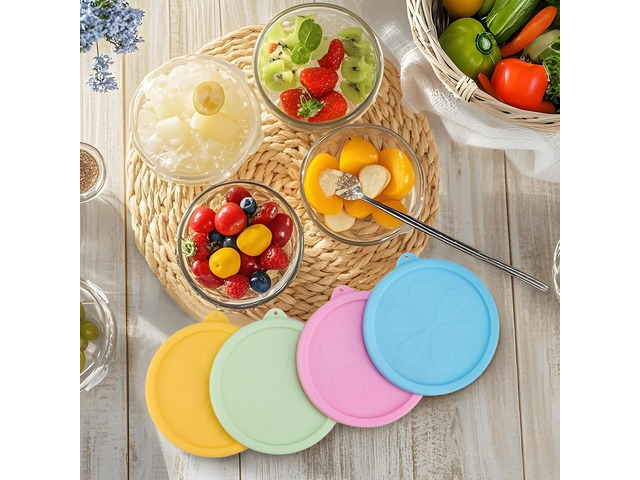
• Silicone food covers
• Silicone steamer baskets
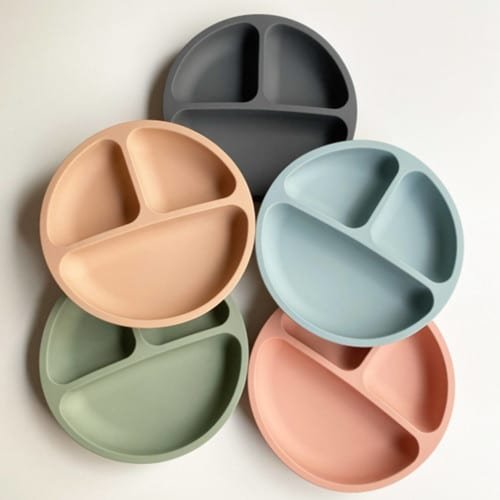
• Silicone baby-food trays
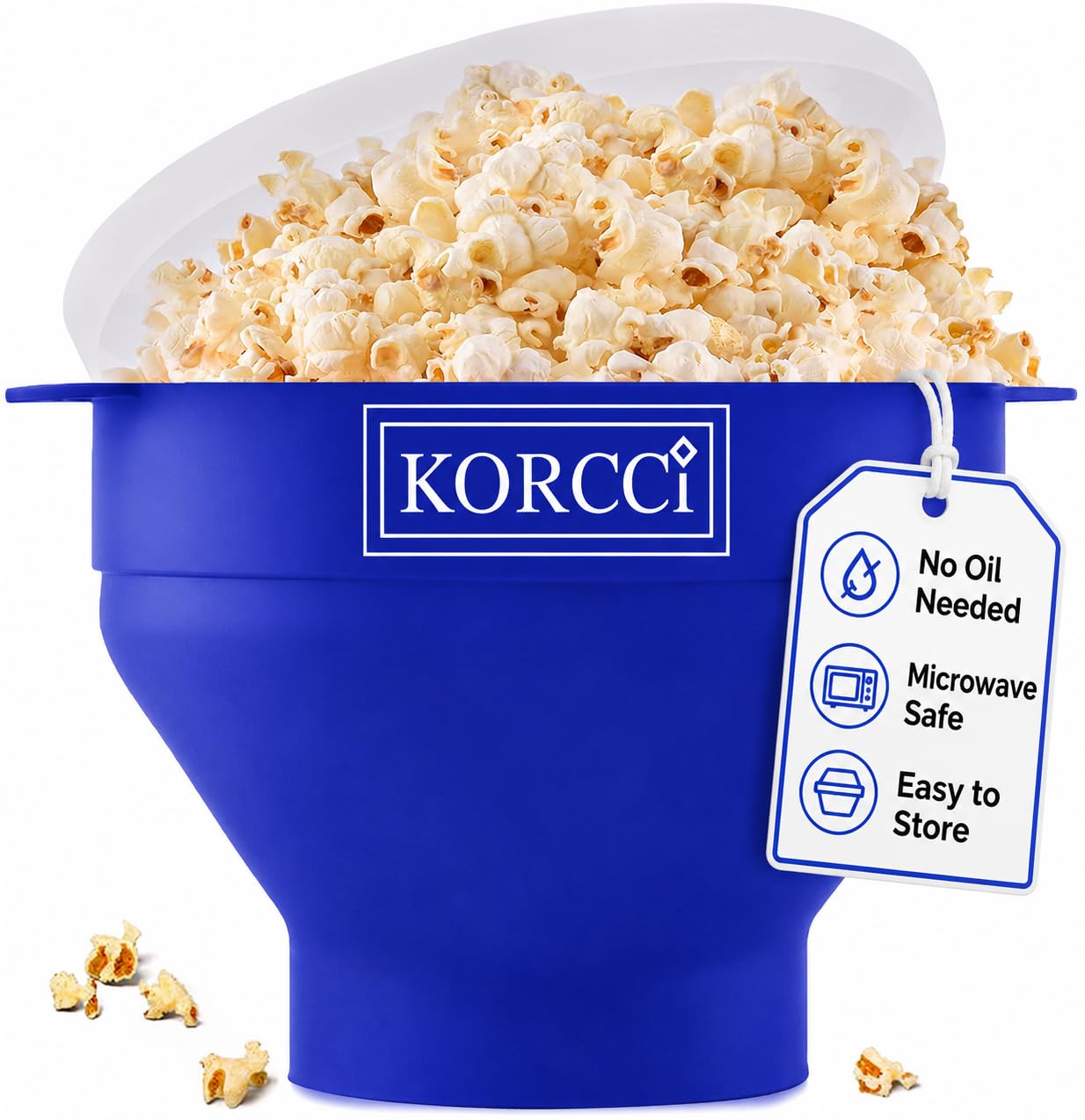
• Silicone popcorn bowls
• Silicone measuring cups
• Silicone splatter guards
A silicone ice tray may be safe in the microwave, but that does not mean it is useful for heating. A silicone mat may tolerate heat but may not be stable on a microwave turntable. A silicone pouch may be microwave safe but require a vented opening.
Look for a microwave-safe symbol, clear product instructions, or a temperature range. If there is no label, contact the manufacturer. When the material’s quality and intended use are unknown, use glass or ceramic instead.
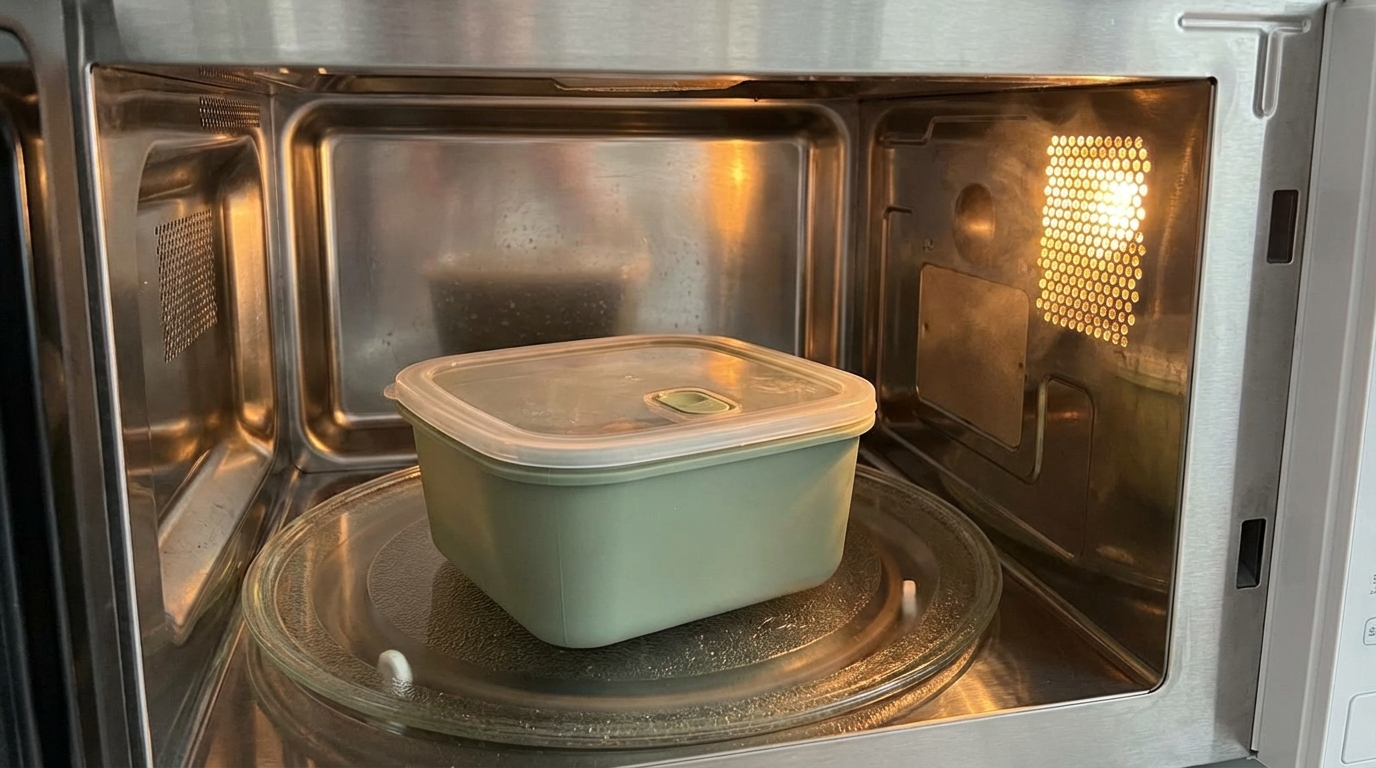
How to use silicone in the microwave safely
Using silicone in the microwave is simple when you follow a few basic steps. These steps help prevent burns, spills, pressure buildup, and damage.
- Check the label
Read the care instructions before heating. Look for terms such as “microwave safe,” “food grade,” and a maximum temperature.
- Inspect the item
Do not use silicone that is torn, cracked, badly stained, sticky, or bubbling. Damage can make the item weak and harder to clean.
- Leave room at the top
Food can expand as it heats. Leave space in the container to reduce spills and pressure.
- Vent the cover
Never seal a silicone lid tightly over hot food unless it has a vent made for microwave use. Steam needs a safe path out.
- Use short heating periods
Heat food in 30 to 60 second bursts. Stir between each cycle when possible. This reduces hot spots and helps the food heat more evenly.
- Use oven mitts
The silicone may stay fairly cool, but the food, steam, or trapped liquid can be extremely hot. Lift lids away from your face and hands.
- Place flexible items on a firm plate
A soft silicone bowl can bend when you lift it. Setting it on a microwave-safe plate makes it easier to carry.
- Stop if you notice a problem
Remove the item if it smokes, smells strongly, changes shape, melts, or becomes unusually sticky.
These habits answer much of the concern around is silicone microwave safe. The key is not only the material. It is also the design, the food, the heating time, and the condition of the product.
Can silicone melt or catch fire in a microwave?
Good-quality silicone does not normally melt during ordinary microwave cooking. Many kitchen silicone products are rated for temperatures around 400 to 450°F, but the exact limit varies by brand and product.
That does not make silicone fireproof. Silicone can burn, break down, or release unpleasant fumes if exposed to extreme heat, an open flame, a broiler, or a heating element. A microwave can also create very hot spots in dry foods, oils, and sugary mixtures.
Be especially careful with:
• Pure oil or grease
• Caramel and other melted sugar
• Dry foods with little moisture
• Very small portions
• Food heated for a long time
• Empty silicone containers
• Silicone items touching a grill or heating element
In my own kitchen testing, the most common mistake is not the microwave itself. It is overheating a small amount of food for too long. A silicone cup may look fine while the food inside reaches a much higher temperature than expected.

Silicone microwave safety compared with plastic
Silicone and plastic are different materials, even though both can be flexible. Silicone usually has a wider heat range than many common food-storage plastics. It also tends to stay stable during repeated heating when it is made for that purpose.
Still, “silicone is better than plastic” is too broad. Safety depends on the exact product and how it is used. Some plastics are clearly labeled for microwave use, while some silicone products are not tested or intended for heating.
Silicone may be a good choice when you want:
• A flexible container
• A reusable food cover
• A mold that releases food easily
• A product that tolerates both freezing and heating
Plastic may be more convenient for lightweight storage, but it can warp if heated beyond its rating. Glass is often a better choice for very hot, oily, or acidic foods because it is rigid and easy to inspect.
The safest choice depends on the food and the container. For a long heating cycle, glass or ceramic can offer better stability. For short reheating, a labeled microwave-safe silicone bowl can work well.

Foods that need extra care in silicone containers
The question is silicone microwave safe becomes more important when the food can create extreme heat. Some foods heat unevenly or become much hotter than their container.
Take extra care with:
Fatty foods
Butter, oil, cheese, and greasy sauces can become very hot. Stir them often and use short heating periods.
Sugary foods
Syrups, candy, and sweet sauces can reach high temperatures and cause serious burns. Let them cool before touching the silicone container.
Eggs
Whole eggs and eggs in shells can explode because steam builds inside. Beat eggs before microwaving and use a vented container.
Sealed foods
Do not microwave sealed jars, closed pouches, or tightly covered containers. Pressure can build and cause a sudden burst.
Dry foods
Rice, bread, and other dry foods can develop hot spots. Add moisture when suitable and stir during heating.
Acidic foods
Tomato sauce and citrus-based foods are usually compatible with quality silicone. However, strong odors and stains may remain, especially in low-quality products.
Silicone is generally chemically stable, but that does not prevent burns from hot food. Always treat the contents as the main hazard.

How to choose microwave-safe silicone
Not all silicone kitchenware is made to the same standard. A reliable product should provide clear information about its material, use, and temperature range.
Before buying, look for:
• A statement that the item is microwave safe
• Food-contact or food-grade labeling
• A stated temperature range
• Care and cleaning instructions
• A clear manufacturer name
• A sturdy shape that does not collapse easily
• No strong chemical smell
• No loose coating, glitter, paint, or metal parts
Food-grade silicone products sold in the United States are commonly made to meet food-contact requirements. However, the phrase “FDA approved” can be used loosely in marketing. The FDA generally regulates food-contact substances and conditions of use rather than approving every individual kitchen product.
A trustworthy manufacturer should explain how the product can be heated, washed, frozen, and used. If the only claim is “high heat silicone” with no microwave instructions, choose a different product.
Cleaning and caring for silicone microwave products
Good care can extend the life of silicone and help you spot problems early. Wash the item with warm water and mild dish soap after each use. A dishwasher is safe for many products, but check the care label first.
Silicone can hold onto strong smells from garlic, curry, fish, and oily sauces. A paste of baking soda and water may help remove odors. You can also soak the item in warm soapy water, then rinse it well.
Avoid these habits:
• Cutting silicone with a knife
• Scrubbing it with a sharp or abrasive tool
• Storing it while wet
• Using it near an open flame
• Placing it under a broiler without approval
• Using it after it becomes sticky or damaged
• Stacking heavy items on soft silicone molds
One lesson I have learned from repeated kitchen use is that silicone often hides grease. A quick rinse may leave a thin film that attracts dust and odors. A full wash with soap works better and keeps the surface easier to inspect.
Common mistakes when microwaving silicone
Even when the answer to is silicone microwave safe is yes, misuse can still create problems. Most issues come from heat, steam, spills, or poor product quality.
Avoid these common mistakes:
• Heating silicone while it is empty
• Covering food with a sealed lid
• Filling a flexible container to the rim
• Moving a soft, hot bowl without support
• Heating oil for a long period
• Using an item with metal decorations
• Ignoring a strong chemical odor
• Assuming oven-safe means microwave-safe
• Heating food without stirring it
• Using a damaged silicone product
A label is not a substitute for common sense. If the container becomes unusually hot, changes shape, or smells strange, stop using it. Let it cool, inspect it, and replace it if needed.
A simple safety test for an unlabeled item
If you cannot find instructions, the safest choice is not to microwave the item. Use a known microwave-safe glass or ceramic container instead. This avoids guessing about the silicone blend or manufacturing quality.
If you still need to evaluate an item, do not test it empty. Place it beside a microwave-safe glass filled with water, then heat the water for a short period. Stop immediately if the silicone changes shape, smells strongly, smokes, or becomes unusually hot.
This test is not a certification. It cannot prove that the item is safe for long-term use or high-temperature foods. It only helps reveal obvious problems. Manufacturer instructions remain the best guide.
Frequently Asked Questions About Is Silicone Microwave Safe
Is silicone microwave safe for reheating leftovers?
Yes, food-grade silicone labeled for microwave use is usually safe for reheating leftovers. Use short heating cycles, leave space for expansion, and vent the cover to release steam.
Can silicone go in the microwave with food?
Yes, most microwave-safe silicone containers can hold food during heating. The silicone may become hot from the food, so use care when removing the container.
Is silicone microwave safe without a lid?
Yes, a silicone container can be used without a lid if the product is microwave safe. Covering food can reduce splatter, but any cover should be loose or vented.
Can silicone melt in the microwave?
Quality kitchen silicone usually will not melt during normal microwave use. It can still degrade if exposed to extreme heat, direct flame, a broiler, long heating times, or very hot oil.
Is silicone safer than plastic in the microwave?
Silicone often tolerates higher temperatures than many plastics, but both materials must be labeled for microwave use. Glass or ceramic may be a better choice for very hot, oily, or long-heated foods.
Can silicone baby bottles go in the microwave?
Only use a silicone baby bottle in the microwave if the manufacturer specifically allows it. Baby bottles can heat unevenly, so shake or stir the contents and test the temperature before feeding a child.
Is silicone microwave safe for cooking eggs?
Microwave-safe silicone egg molds may be used when the product instructions allow it. Never microwave a whole egg in its shell, and always follow the mold’s instructions to prevent steam pressure and splattering.
Conclusion
So, is silicone microwave safe? Most food-grade silicone kitchen products are safe for microwave use when they carry a clear microwave-safe label and stay within their temperature limits.
Use short heating cycles, vent covers, leave room for expansion, and handle hot food with care. Do not use damaged, unlabeled, sealed, or flame-exposed silicone items. With these simple habits, you can enjoy the flexibility of silicone while keeping microwave cooking safe and practical. Share your favorite silicone kitchen tool or explore more food-safety guides for smarter everyday cooking.