What Is The Microwave Safe Symbol: Meaning And Guide
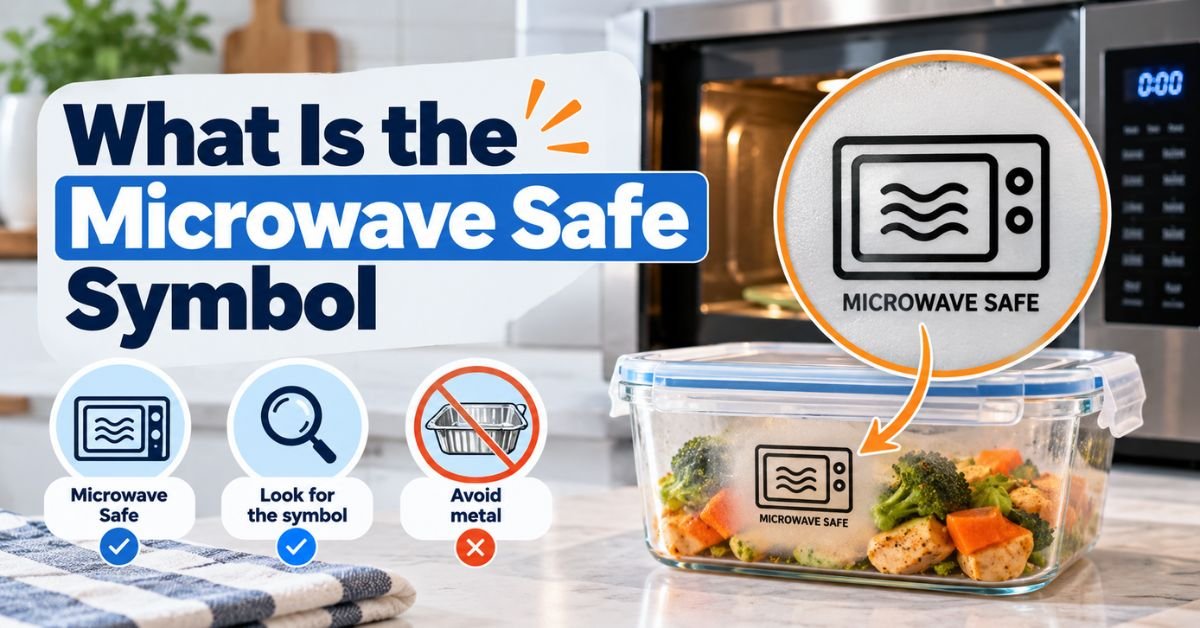
The microwave safe symbol is a small microwave icon that shows a container is designed for microwave use.
Learning what is the microwave safe symbol can help you choose safe dishes, avoid damaged containers, and reduce the risk of burns or food contamination. The mark is often shown as a microwave with wavy lines inside, but symbols can vary by brand and country. This guide explains how to spot it, what it means, and what to do when a container has no symbol.
What Is the Microwave Safe Symbol?
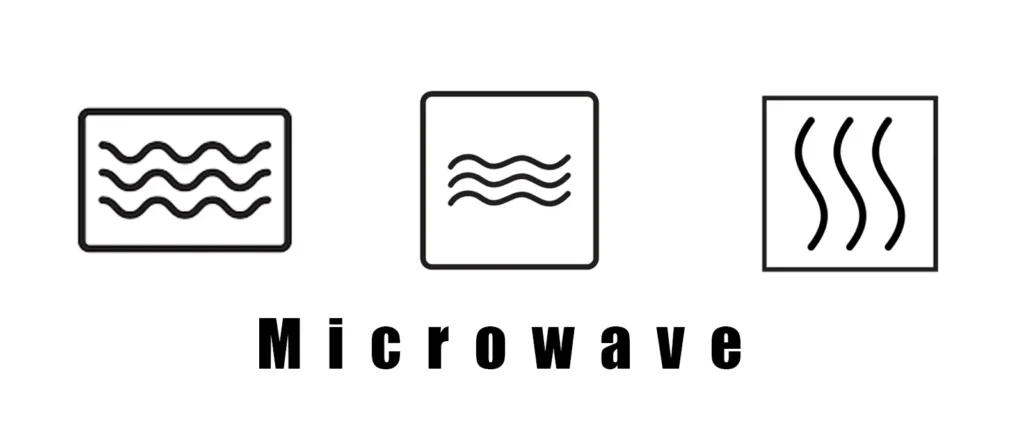
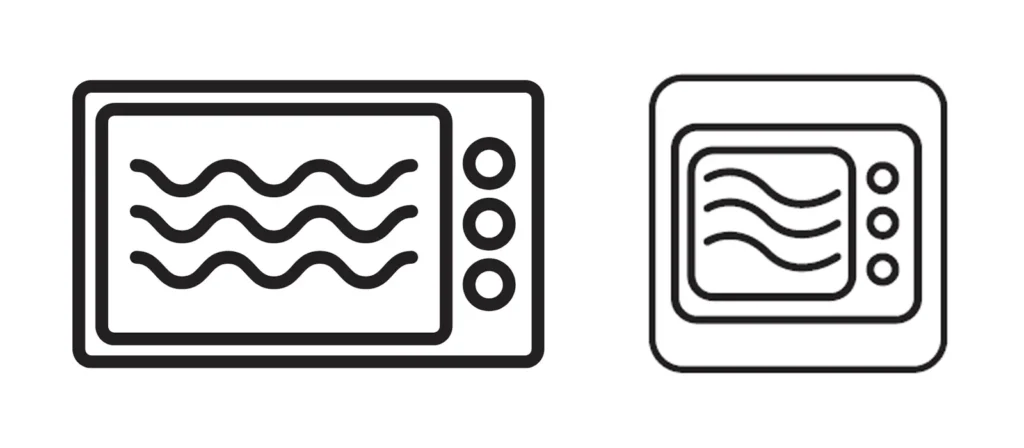
The microwave safe symbol is usually an image of a microwave oven with wavy lines inside. The lines represent microwave energy or heat. Some products show only the waves, while others use a small box that looks like a microwave.
The design is not fully universal. A manufacturer may print the symbol on the base, lid, package, or care label. Some brands also write “microwave safe” in plain words.
In simple terms, the symbol tells you that the item has been tested or designed for normal microwave heating. It does not mean the item is safe for every cooking method or every heating time.

Common versions of the symbol
You may see several versions of the microwave safe symbol, including:
• A small microwave oven with three wavy lines
• A rectangle with curved or wavy lines inside
• A dish icon with heat waves above it
• The words “microwave safe”
• A microwave icon combined with temperature or care instructions
The exact artwork may change, but the purpose stays the same. The label should help you identify containers made to handle microwave conditions.
How to Identify the Microwave Safe Symbol
When checking what is the microwave safe symbol, look first at the bottom of the container. Manufacturers often place safety marks there because the base is less likely to wear away during washing.
You can also check the lid, outer package, product insert, or manufacturer’s website. If the container came with instructions, read them before using it.
Look for:
• A microwave-shaped box
• Wavy lines inside or above the box
• A plate or container with heat waves
• A clear statement that says “microwave safe”
• Instructions about heating time, power level, or venting
Do not confuse the microwave safe symbol with other common marks. A recycling triangle shows the plastic resin type, not whether the item can safely go in a microwave. A dishwasher symbol also does not prove that the item is microwave safe.

Source: thekitchn.com
Where the symbol may appear
The symbol may be printed in several places:
• On the bottom of a glass or ceramic dish
• On the side of a plastic food container
• Under a plastic lid
• On a paper package or product label
• In the care instructions
A symbol can fade after many dishwasher cycles. If the mark is no longer clear, use the written instructions or contact the maker.
What Does the Microwave Safe Symbol Mean?
The microwave safe symbol means the product is intended for microwave heating under normal use. It usually suggests that the material should not melt, crack, or release unsafe substances when used as directed.
However, the symbol is not a promise that the container will remain cool. Food can become very hot, and heat can move from the food into the dish. A microwave safe bowl may still burn your hands after a few minutes.
The symbol also does not mean the item is oven safe, broiler safe, or safe on a stovetop. Each cooking method creates different heat levels and risks.
Source: yahoo.com
What the symbol does not guarantee
The microwave safe symbol does not automatically guarantee that:
• The container will not become hot
• The lid can stay sealed during heating
• The item is safe for conventional ovens
• The item can handle high heat for a long time
• The container will never crack or stain
• The food will heat evenly
• The product is safe when damaged or worn
Always follow the product instructions. If the label says to loosen the lid, leave a vent open, or use a lower power setting, follow that advice.
Which Materials Are Usually Microwave Safe?
Some materials are commonly designed for microwave use, but the label still matters. Material alone does not always tell you whether a product is safe.
Glass
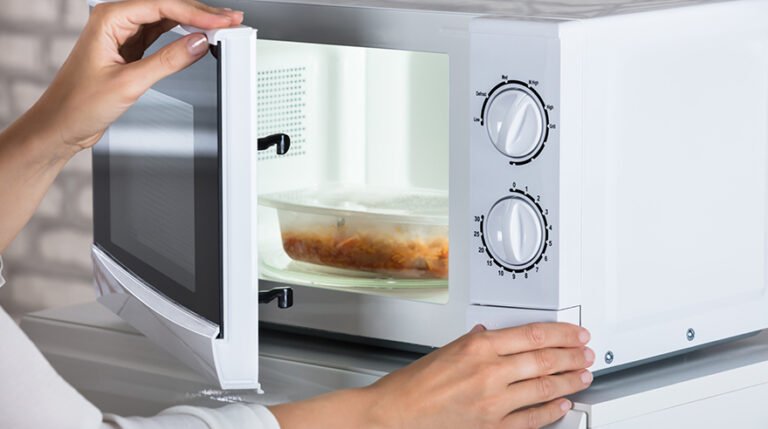
Microwave safe glass is often a good choice for reheating food. It does not usually absorb odors, and it is easy to clean.
Still, avoid sudden temperature changes. Moving a very cold glass dish directly into a hot microwave can cause thermal shock. Do not use glass that is cracked, chipped, or labeled for decorative use only.
Ceramic
Many ceramic mugs, plates, and bowls are microwave safe. The glaze and construction matter, though. Handmade pottery may contain rough spots, metallic paint, or materials that heat unevenly.
Check for gold, silver, or metal trim. Even a thin metallic line can spark.
Microwave safe plastic
Some plastic containers are made for microwave heating. They may carry the microwave safe symbol and instructions about time or temperature.
Use care with old, cloudy, warped, or scratched plastic. Replace containers that show damage. Avoid heating food in single-use containers unless the package clearly says they are microwave safe.
Paper and cardboard
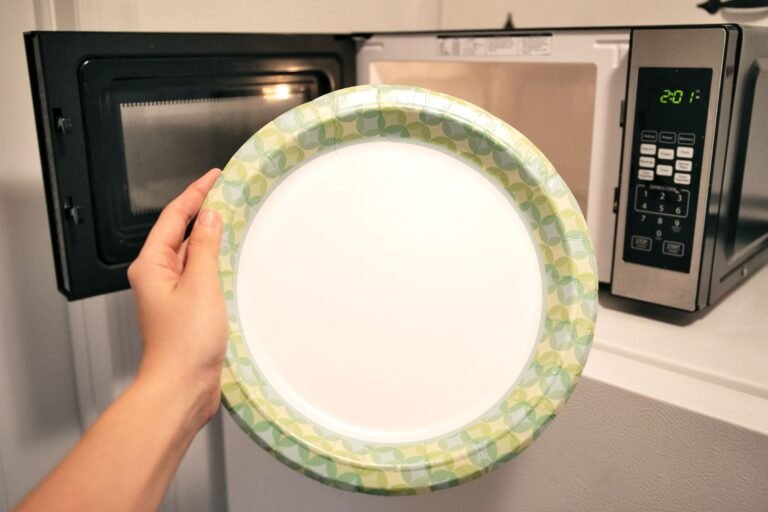
Plain paper plates, paper towels, and some cardboard packages may be suitable for short heating periods. Greasy foods and long heating times can create a fire risk.
Never assume that every paper product is safe. Wax coatings, inks, plastic layers, and metal details can change how the item reacts.
Foam containers
Many foam takeout containers are not designed for microwave use. They may soften, warp, or transfer unwanted substances into food.
Only use foam packaging in a microwave when the package clearly says it is safe for that purpose.

Source: packaging-container.com
Materials You Should Not Microwave
Knowing what is the microwave safe symbol also means knowing which items should stay out of the microwave. Some materials can spark, melt, break, or release unwanted substances.
Avoid microwaving:
• Metal pans, utensils, and bowls
• Aluminum foil unless the microwave manual specifically allows limited use
• Plates with gold or silver trim
• Travel mugs with hidden metal parts
• Stainless steel bottles
• Melamine dishes unless the manufacturer permits microwave use
• Damaged plastic containers
• Unmarked takeout containers
• Foam packaging without clear approval
Metal reflects microwave energy. This can create sparks and may damage the oven. In some cases, a small amount of foil may be allowed, but the rules vary by microwave model, so check the manual first.

Source: adobe.com
Why metal decorations can spark
Metal trim is especially risky because the thin edges can concentrate electrical energy. This may cause arcing, which appears as bright flashes or snapping sounds.
If you see sparks, stop the microwave at once. Remove the item only after the oven stops and the container cools enough to handle safely.
How to Test a Container Without a Symbol
If you cannot find what is the microwave safe symbol, do not guess when the container is made of an unknown material. A simple water test may help with some empty dishware, but it does not replace manufacturer instructions.
To perform the test:
- Put one cup of water in a glass measuring cup.
- Place the empty container beside the measuring cup in the microwave.
- Heat both for one minute on high.
- Carefully check the container.
If the container is very hot while the water is only warm, the dish may absorb too much microwave energy. Do not use it for regular heating. If the dish stays fairly cool, it may be less likely to heat on its own, but this test cannot prove long-term safety.
Never run an empty microwave. The water provides a load that helps protect the appliance.
Source: millionpack.com
Use the test with caution
This test does not show whether plastic will release substances, whether a lid will vent properly, or whether a dish can tolerate repeated heating. It also cannot confirm that a container is safe for high-fat or high-sugar foods, which can become extremely hot.
When in doubt, choose a clearly labeled microwave safe container. A known product is a safer choice than an uncertain one.
Safe Microwave Habits
The microwave safe symbol is only one part of safe food heating. Your actions also matter.
Follow these habits:
• Remove metal twist ties and foil
• Vent lids according to the instructions
• Leave space for steam to escape
• Use microwave safe covers to reduce splatter
• Stir food during heating when possible
• Let food stand after heating
• Use oven mitts for hot containers
• Check that food reaches a safe internal temperature
• Stop heating if you see sparks, smoke, or melting
Steam can build inside a sealed container. A lid that looks secure may pop off or release hot food when opened. Treat every covered dish as if it contains pressure.
Source: millionpack.com
Heat food evenly
Microwaves can leave cold spots in food. This is important when reheating meat, poultry, eggs, rice, leftovers, or baby food.
Arrange food in a ring around the plate when possible. Stir or rotate it during heating, and use a food thermometer for foods that must reach a safe temperature. Letting food stand for a short time allows heat to spread.
Common Mistakes to Avoid
Many microwave problems come from confusing symbols or ignoring small warnings. Understanding what is the microwave safe symbol can prevent these simple errors.
Common mistakes include:
• Assuming a recycling code means microwave safe
• Microwaving a takeout container without checking it
• Leaving a sealed lid closed
• Using a cracked glass dish
• Heating food in a foam container
• Treating “dishwasher safe” as “microwave safe”
• Using plastic wrap that touches hot food
• Heating an empty container
• Continuing to use a container that has warped
A symbol is helpful, but it is not a substitute for care instructions. If the mark is missing, unclear, or damaged, choose another container.

Source: reddit.com
A practical lesson from everyday use
One mistake people often make is checking only the container and forgetting the lid. A container may be microwave safe while its lid needs to be removed or left partly open.
A good habit is to check both pieces before heating. This small step prevents pressure buildup, spills, and surprise burns.
Microwave Safe Symbol vs. Other Food Safety Symbols
Food packaging may show several symbols that look similar. Each one has a different meaning.
• Microwave safe symbol: The product is intended for microwave heating.
• Recycling symbol: The package identifies a plastic resin type.
• Dishwasher safe symbol: The item can tolerate a dishwasher cycle under stated conditions.
• Freezer safe symbol: The product is designed for freezer temperatures.
• Oven safe symbol: The item can tolerate a conventional oven within stated limits.
• Food safe symbol: The material is intended for contact with food.
One symbol cannot replace another. For example, a container may be freezer safe but not microwave safe because sudden heating can damage it.
Frequently Asked Questions About What Is the Microwave Safe Symbol
What does the microwave safe symbol look like?
The microwave safe symbol often looks like a small microwave oven with wavy lines inside. Some products use heat waves above a dish or write “microwave safe” instead.
Is the recycling triangle a microwave safe symbol?
No. The recycling triangle identifies the plastic type and does not confirm microwave safety. Check for a separate microwave icon or written instruction.
Can I microwave a container without the symbol?
You should avoid using an unknown container when there is no label or care information. If you cannot verify its safety, use a clearly marked glass or ceramic dish instead.
Does microwave safe mean the container will stay cool?
No. Microwave safe means the container is designed for microwave use, not that it cannot become hot. Hot food can transfer heat to the dish, so use care when removing it.
Can I microwave a lid that says microwave safe?
Not always. Some lids need to be loosened, vented, or removed during heating, even when the container itself is microwave safe.
Is microwave safe plastic safe for all foods?
Not necessarily. Follow the product instructions, especially for fatty, sugary, or very hot foods. Replace plastic that is cracked, warped, cloudy, or badly scratched.
Conclusion
The microwave safe symbol usually appears as a microwave icon with wavy lines, but its design can vary. It means a product is intended for microwave heating under normal instructions. It does not prove that the item is oven safe, that the lid can stay sealed, or that the dish will remain cool.
Check the symbol, read the care directions, avoid metal and damaged containers, and vent covered dishes. When there is no clear label, choose a container that is known to be microwave safe. Share this guide with someone who still confuses recycling symbols with microwave safety, and explore your cookware instructions for more specific advice.