How Long Do Microwaves Last: Lifespan And Replacement Tips
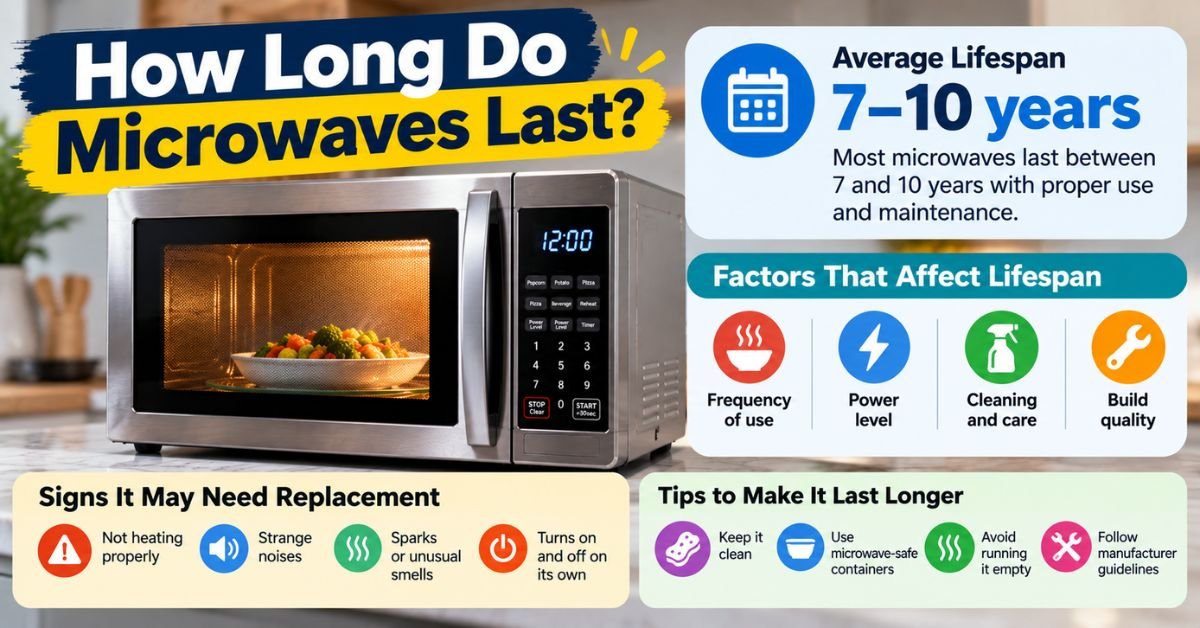
Most microwaves last about 7 to 10 years with normal use and basic care.
Knowing how long microwaves last helps you plan repairs, avoid unsafe use, and choose the right time for replacement. In my experience, daily habits often matter as much as the brand: a clean, well-ventilated microwave can outlive a powerful model that is used roughly. This guide explains microwave lifespan, warning signs, repair costs, safety risks, and simple ways to extend service life.

How long do microwaves last?
Most countertop microwaves last 7 to 10 years. Some simple models may work for 10 to 15 years, while heavily used units may fail after only 5 or 6 years.
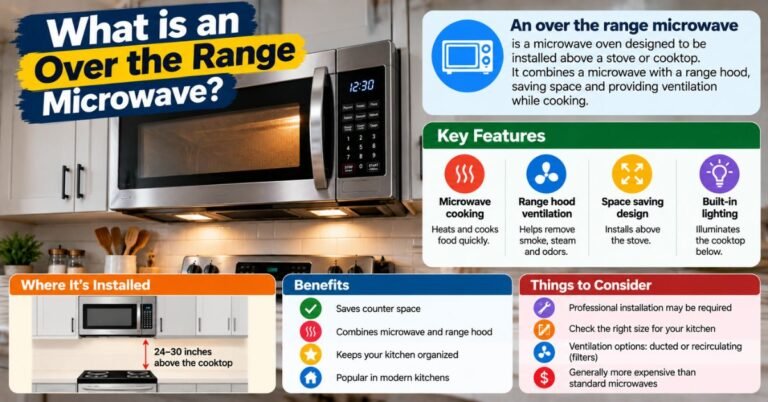
Built-in and over-the-range microwaves often have a similar lifespan. However, they may cost more to repair because installation, ventilation parts, sensors, and control panels are more complex.
How long do microwaves last depends on several factors, including:
• How often you use the microwave
• How long each heating cycle runs
• Whether the oven has good airflow
• How well you clean the inside
• The quality of the door, keypad, and electrical parts
• Whether you follow the manufacturer’s instructions
A microwave used once a day for reheating may last much longer than one used many times each day for cooking. The magnetron, which creates microwave energy, experiences more stress when the appliance runs for long periods.
Most manufacturers do not promise a fixed service life. Instead, they provide a limited warranty, often covering parts and labor for about one year. A warranty is not the same as a lifespan estimate, so actual durability can vary.

Source: thespruce.com
What affects microwave lifespan?
How long do microwaves last is closely tied to the way they are used. Small habits can either protect the appliance or slowly wear it down.
Frequency of use
A microwave used several times each day will naturally experience more wear. Frequent use affects the magnetron, cooling fan, turntable motor, door switches, and control board.
This does not mean heavy use will always cause early failure. A commercial-grade or high-quality home microwave may handle frequent cycles well. Still, regular cooking for long periods creates more heat and stress than quick reheating.
Cooking time and power
Long cooking cycles produce more heat inside the cabinet. The cooling fan must remove that heat, and the magnetron must work harder.
Avoid running the microwave empty. Without food or liquid to absorb energy, the microwave energy can reflect inside the cooking chamber. This may damage the magnetron or other components.
Ventilation
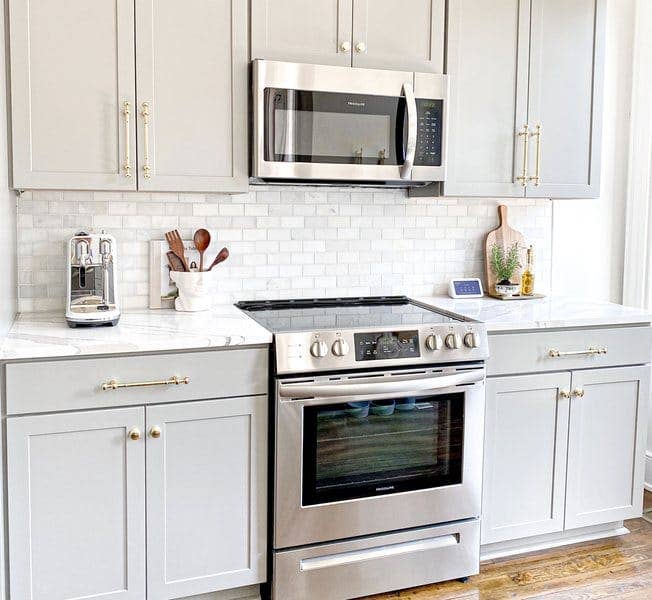
Over-the-range microwaves need clear airflow around their vents. Blocked vents can trap heat and shorten the life of electrical parts.
Do not cover the top, sides, or rear vents. If your microwave has a built-in fan, clean the grease filter as the manual recommends. A clogged filter can reduce airflow and make the unit run hotter.
Cleaning habits
Food splatter can absorb microwave energy and create hot spots. Grease may also collect around the waveguide cover, which is the small panel inside the oven that protects the microwave energy channel.
Wipe spills soon after they happen. For stuck food, place a microwave-safe bowl of water inside and heat it for a few minutes. The steam can soften residue without harsh scraping.
Door condition
the door is one of the most important safety parts. The latch, hinges, seals, and switches must work together correctly.
Never use a microwave with a bent door, broken hinge, loose latch, or damaged seal. The U.S. Food and Drug Administration explains that microwave radiation leakage is controlled by the design and safety interlock system, so damaged parts deserve prompt attention.
Source: prolinerangehoods.com
Signs your microwave may be failing
A microwave does not always stop working without warning. Changes in sound, heating, and operation often appear first.
Watch for these signs:
• Food takes much longer to heat than it used to
• Food heats unevenly even when placed correctly
• The unit makes loud buzzing, grinding, or popping sounds
• The interior light flickers
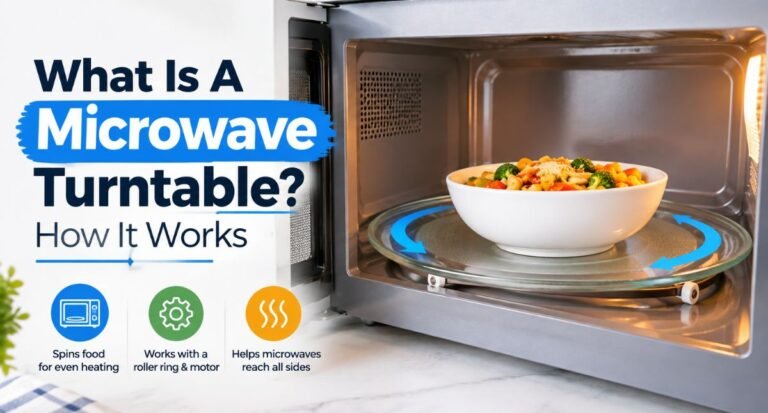
• The turntable stops moving
• The keypad works only sometimes
• The microwave shuts off during a cycle
• The door feels loose or does not close smoothly
• You notice sparks or repeated arcing
• There is a burning smell
A microwave that runs but does not heat may have a failed magnetron, diode, capacitor, or high-voltage transformer. These parts can be expensive and dangerous to test without proper training.
Sparks can have simple causes, such as a metal rack, foil, or burned food. However, repeated sparks may point to a damaged waveguide cover or interior coating. Stop using the microwave until you identify the cause.
One practical test is to place a microwave-safe cup containing about one cup of water inside. Heat it for one minute, then check whether the water is noticeably hot. This is not a precise performance test, but a sudden drop in heating power can signal a problem.
I once saw a family keep using a microwave that made a sharp buzzing sound because it still warmed food. That choice made the problem worse. A strange sound is often the appliance asking for attention before a small fault becomes a costly failure.

Source: housebeautiful.com
Is it worth repairing an old microwave?
Repairing a microwave can make sense when the problem is simple and the appliance is otherwise in good condition. Replacing it is often better when the unit is old, damaged, or expensive to diagnose.
Repair may be reasonable when:
• The microwave is less than five years old
• The problem is a door switch, fuse, light, or turntable motor
• The oven is a premium built-in model
• Replacement would require new installation work
• The repair cost is clearly below the price of a similar new model
Replacement is often wiser when:
• The microwave is more than 10 years old
• It has several problems at once
• The door or cabinet is damaged
• The control board or magnetron has failed
• The repair estimate is more than half the replacement cost
• The appliance has a history of repeated failures
Microwave repair involves high-voltage components. A capacitor can hold a dangerous charge even after the appliance is unplugged. Do not remove the outer cover unless you are trained to service microwave ovens.
For many countertop models, a professional repair can approach the price of a new microwave. Built-in models are different because replacement may involve cabinet fitting, trim kits, electrical work, and ventilation changes.

Source: registerappliance.com
How to make a microwave last longer
Good care can add years to the useful life of a microwave. These steps are simple, but they protect the parts that fail most often.
- Clean spills quickly
Wipe the cavity with a soft cloth after food splatters. Avoid abrasive pads, strong oven cleaners, and anything that can damage the interior coating.
- Use microwave-safe containers
Choose glass, ceramic, or containers labeled for microwave use. Some plastics can warp or release unwanted chemicals when heated.
- Never run it empty
Always place food or a suitable liquid inside before starting a cycle. A cup of water is safer than an empty cooking chamber when testing basic operation.
- Do not heat sealed containers
Steam can build pressure inside sealed jars, eggs with shells, and closed containers. Loosen lids and pierce foods with skins, such as potatoes, before cooking.
- Keep the vents clear
Leave space around the microwave according to the manual. Do not place objects on top of a countertop unit if they block airflow.
- Close the door gently
Slamming the door can wear out the latch and interlock switches. Push it closed with normal pressure.
- Remove metal unless the manual allows it
Metal can reflect energy and cause arcing. Even small pieces of foil may spark if placed incorrectly.
- Use shorter heating cycles
Heat food in shorter periods and stir between cycles. This improves heating and reduces unnecessary stress from long, continuous operation.
- Keep the turntable area clean
Food crumbs can stop the turntable from moving smoothly. Check the roller ring and guide track during cleaning.
- Replace damaged parts promptly
A damaged waveguide cover, door seal, or turntable guide can lead to larger problems. Use manufacturer-approved replacement parts when possible.
These habits will not make every microwave last forever. They can, however, reduce avoidable wear and help the microwave operate safely.

Source: thedoublewave.com
Microwave safety problems you should not ignore
How long do microwaves last matters less than whether the appliance is safe to use today. Stop using the unit if the door does not close correctly, the cabinet is badly damaged, or sparks continue after you remove metal objects.
Follow these safety rules:
• Unplug the microwave if it smells like burning plastic or wiring
• Do not operate it with a damaged door or latch
• Do not cover the vents
• Never heat a sealed container
• Do not use cookware that is not labeled microwave-safe
• Keep children from operating it without supervision
• Do not attempt high-voltage repairs at home
Microwave ovens are designed with interlock switches that stop energy production when the door opens. If the door opens during cooking or the unit continues running after the door is opened, unplug it immediately and arrange professional service.
A small amount of steam around the door during cooking is usually normal. Steam alone does not prove radiation leakage. Physical damage, faulty latches, and failed safety switches are more serious concerns.
The FDA states that microwave ovens that meet federal safety standards and are used according to instructions are considered safe. Still, damaged appliances should not be treated as harmless simply because they still heat food.
Source: metroappliancesandmore.com
How to choose a replacement microwave
If your old unit is near the end of its life, choose a model that matches your cooking habits. A larger or more powerful microwave is not always the best choice.
Consider these features:
• Countertop, over-the-range, or built-in design
• Interior capacity and turntable size
• Wattage and cooking speed
• Sensor cooking for automatic heating
• Easy-to-clean interior surfaces
• A clear display and simple controls
• Accessible replacement parts
• A strong manufacturer warranty
Most home microwaves range from about 700 to 1,200 watts. Higher wattage usually means faster heating, but it can also increase energy use during long cooking cycles.
Sensor cooking can help prevent overcooking because the microwave detects steam and adjusts the cycle. This feature may be useful for vegetables, rice, and reheating prepared meals.
Before buying a built-in replacement, measure the opening carefully. Check the width, height, depth, trim kit, electrical outlet, and vent arrangement. A microwave that fits the countertop may not fit the cabinet space.
Energy use is usually modest compared with large ovens, especially for short reheating tasks. The U.S. Department of Energy notes that cooking time, appliance power, and usage patterns affect energy consumption more than the appliance’s age alone.
What is the average microwave lifespan by type?
Countertop microwaves commonly last 7 to 10 years. Their simple design can make them easier and less costly to replace.
Over-the-range microwaves often last around 7 to 10 years as well. Their fan, lights, filters, and installation parts add more points of possible failure.
Built-in microwaves may last 8 to 12 years when they have good airflow and careful use. Replacement can be more expensive because the appliance must match the surrounding cabinetry.
Commercial microwaves may last longer under heavy use because they are designed for demanding environments. They also cost more and may require specialized service.
These figures are general estimates, not guarantees. How long do microwaves last in your home will depend on workload, care, build quality, and operating conditions.
Frequently Asked Questions About How Long Do Microwaves Last
How long do microwaves last on average?
Most microwaves last about 7 to 10 years. A lightly used, well-maintained model may work longer, while heavy daily use can shorten its service life.
Is a 10-year-old microwave safe to use?
Age alone does not make a microwave unsafe. Stop using it if the door, latch, hinges, cabinet, or safety switches are damaged, or if it sparks and makes unusual sounds.
How long do microwaves last if used every day?
Daily use does not automatically mean early failure. A microwave used several times a day can still last 7 to 10 years when it has good airflow, regular cleaning, and gentle door handling.
Should I repair or replace a microwave?
Repair may be worthwhile if the unit is newer and the fault is minor. Replacement often makes more sense when the microwave is over 10 years old or the repair costs more than half the price of a comparable new model.
Why is my microwave running but not heating?
A failed magnetron, diode, capacitor, transformer, or control part may cause this problem. Because high-voltage parts are dangerous, have the appliance checked by a qualified technician instead of opening it yourself.
Does a microwave lose power as it gets older?
A microwave may heat less effectively as parts wear, but age does not always cause a steady loss of power. Slow heating can result from a failing magnetron, electrical fault, damaged waveguide cover, or poor door operation.
Can cleaning make a microwave last longer?
Yes. Cleaning removes grease and food residue that can create hot spots, odors, sparks, and damage around the waveguide cover. Regular cleaning also makes it easier to notice cracks, rust, or other safety problems.
Conclusion
How long do microwaves last usually comes down to use, care, airflow, and build quality. Most units provide about 7 to 10 years of service, but gentle handling, quick cleaning, safe cookware, and proper ventilation can help extend that period.
Pay attention to slow heating, loud noises, sparks, burning smells, and door damage. When a microwave becomes unsafe or the repair cost is too high, replacement is the smarter choice. Check your microwave today, clean its vents and interior, and share your experience with microwave lifespan in the comments.