Is Ceramic Microwave Safe: Complete Safety Guide
Most ceramic dishes are microwave safe, but cracks, metal trim, and unknown glazes can make them unsafe.
The question “is ceramic microwave safe” has a simple answer with a few important limits. Ceramic is not one single material; its safety depends on the clay, glaze, decorations, condition, and maker’s instructions. This guide explains how to check ceramic dishes, avoid hidden risks, and heat food with confidence.
Is ceramic microwave safe?
In most cases, ceramic plates, bowls, mugs, and baking dishes are safe for microwave use. Many ceramic products are fired at high temperatures and covered with a stable glaze that handles normal microwave heating well.
Still, “ceramic” does not automatically mean microwave safe. Some pieces may contain metallic paint, absorb water, have cracks, or react badly to sudden heat. If the item has a microwave-safe symbol or clear instructions from the maker, that is the best sign.
The answer to “is ceramic microwave safe” depends on these key factors:
• The dish has a microwave-safe label or symbol.
• It has no gold, silver, copper, or metallic trim.
• It is not cracked, chipped, or badly scratched.
• It does not become very hot while the food stays cool.
• It is made for food use and comes from a trusted maker.
A ceramic dish may heat in two ways. The food may heat first, while the dish stays fairly cool. In other cases, water trapped in the ceramic or glaze absorbs microwave energy and makes the dish hot. That heat can cause burns or even damage the dish.

Why some ceramic dishes are microwave safe
Microwaves heat food by causing water molecules and other polar molecules to move. The waves do not heat every solid in the same way. A dense, well-fired ceramic body often absorbs little microwave energy, so it stays cooler than the food inside.
The glaze also matters. A smooth, food-safe glaze creates a sealed surface that limits water absorption. Well-made stoneware and porcelain often perform well because they are fired at high temperatures and have low porosity.
However, handmade pottery can vary. Two pieces from the same artist may have different clay bodies, glaze thickness, or firing results. This is one reason the answer to “is ceramic microwave safe” cannot rely on appearance alone.
Ceramic can also hold heat after the microwave stops. A mug may feel fine at first and become hot near the base a few minutes later. Use a dry oven mitt when removing any dish that has heated food for more than a short time.
According to food safety guidance, cookware should be intended for food contact and used according to its instructions. A dish that is safe for serving may not be safe for microwave heating, oven use, or broiling.

How to tell if a ceramic dish is microwave safe
Start by checking the bottom of the dish, its packaging, or the manufacturer’s care guide. Look for words such as “microwave safe” or a symbol showing wavy lines.
If no label exists, use a cautious test. This test does not guarantee safety, but it can reveal a dish that heats unusually fast.
The water test
-
Place one cup of water in a microwave-safe glass measuring cup.
-
Put the empty ceramic dish beside the cup, not inside it.
-
Heat both items on high for one minute.
-
Carefully touch the ceramic dish.
-
Stop using the dish in the microwave if it is very hot while the water is hot and the dish is not.
A slightly warm dish may still be usable, but a very hot dish suggests that it absorbs microwave energy. Do not use this test with a dish that already has cracks, loose decoration, or visible damage.
The safest answer to “is ceramic microwave safe” comes from a label, not just a home test. A test can miss hidden flaws, lead in decorative glaze, or future damage caused by repeated heating.

Ceramic features that may cause problems
Some ceramic items look ordinary but need extra care. Before microwaving, inspect the whole dish rather than checking only its shape.
Cracks and chips
A small crack can let water enter the ceramic body. When the water heats, it expands and creates stress inside the dish. Over time, the crack may grow or the dish may break.
Chips on the rim can also create sharp edges. Stop using a damaged ceramic dish for microwave heating, even if it worked safely in the past.
Metallic decorations
Gold, silver, copper, and some painted finishes can spark in a microwave. The metal may appear as a thin line around the rim or as a small logo in the center.
Sparking can damage the microwave and may create a fire risk. Never assume that a tiny amount of metal is harmless.
Dark or rough spots
Uneven glaze, pinholes, and rough patches may point to a porous surface. These areas can absorb water and heat unevenly.
This does not always mean the dish will fail, but it means you should follow the maker’s instructions closely. If no instructions exist, choose a clearly labeled microwave-safe container instead.
Vintage and handmade ceramics
Older dishes may have decorative glazes that were not tested under modern standards. Some colorful or brightly painted pieces may contain lead or cadmium.
Microwave heating does not automatically remove these chemicals. In some cases, acidic foods and repeated use may increase the chance of migration from a damaged or unsuitable glaze. Use vintage pottery for display unless its food safety and microwave safety are known.

Is ceramic microwave safe with hot food?
Usually, yes, if the ceramic dish is labeled microwave safe and is in good condition. The larger concern is often thermal shock rather than the microwave energy itself.
Thermal shock happens when a dish changes temperature too fast. For example, placing a cold ceramic bowl from the refrigerator into a hot microwave can create stress. Pouring boiling soup into a cold bowl can do the same.
To lower the risk:
• Let a cold ceramic dish warm slightly before heating it.
• Do not move a hot dish onto a cold stone counter.
• Avoid placing a hot dish in cold water.
• Leave space around the food so heat can spread.
• Use a towel or mitt when removing hot ceramics.
• Follow temperature limits for oven-to-table dishes.
A microwave-safe label does not always mean oven safe. Microwave, oven, stovetop, and broiler use expose cookware to different types of heat. Always check each care instruction separately.
The question “is ceramic microwave safe” also applies to leftovers. If food contains thick sauces, oil, or sugar, it may become much hotter than the dish. Stir the food halfway through heating and let it stand before eating.
Which ceramic items are usually safe?
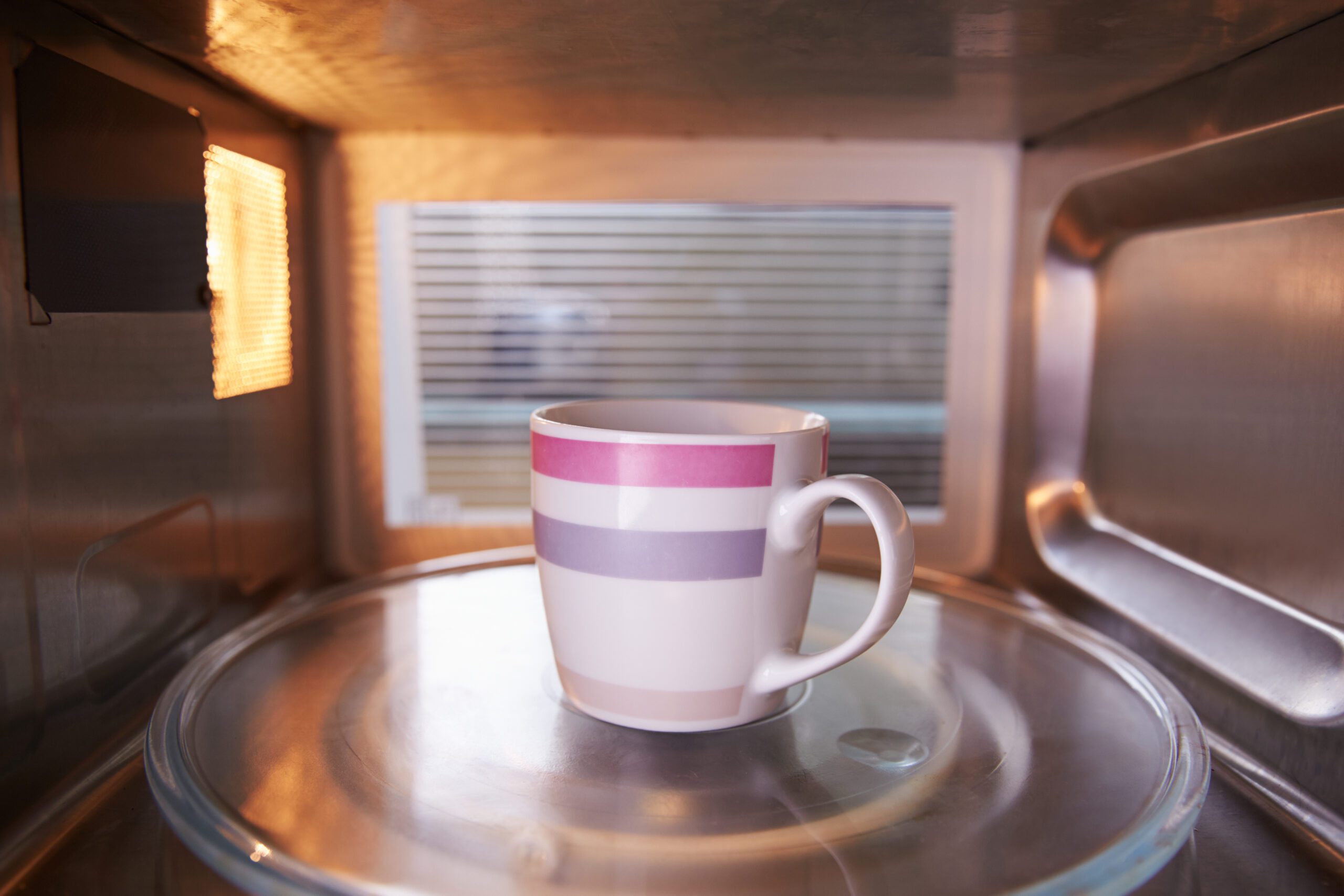
Many everyday ceramic products work well in a microwave when they carry the right label. Common examples include:
• Ceramic dinner plates marked microwave safe.
• Stoneware bowls made for kitchen use.
• Porcelain mugs with no metallic decoration.
• Ceramic ramekins labeled for microwave use.
• Microwave-safe ceramic baking dishes.
• Plain glazed soup bowls in good condition.
Do not judge safety by weight or price. A costly handmade bowl may be unsuitable, while an inexpensive labeled bowl may perform well. The material, glaze, testing, and care directions matter more than appearance.
Ceramic cookware may also have special limits. Some oven-to-table dishes can handle high heat but cannot tolerate fast temperature changes. Others are microwave safe but not safe under a broiler or on a burner.
When in doubt, use a plain glass container labeled microwave safe. It is often a simple backup for food reheating.

Common mistakes to avoid
Knowing the answer to “is ceramic microwave safe” is useful, but safe habits matter just as much. Many accidents happen because people overlook small details.
Avoid these mistakes:
• Microwaving a plate with gold or silver trim.
• Heating a cracked mug because the damage looks minor.
• Using a decorative ceramic bowl made only for display.
• Putting a very cold dish into a hot microwave.
• Covering food with a ceramic lid that has no vent.
• Heating an empty ceramic dish for a long time.
• Assuming microwave safe also means oven safe.
• Removing a hot bowl with wet cloth, which transfers heat quickly.
A sealed ceramic lid can trap steam. Use a vented lid or leave one corner open, following the product directions. Steam burns can happen quickly when you lift a lid after heating.
In practical kitchen use, the best rule is simple: inspect, label, and heat slowly. If a dish feels unusually hot, makes a strange sound, sparks, or shows a new crack, stop using it.

How to microwave ceramic safely
Use this short routine each time:
-
Check the label and inspect the dish.
-
Remove metal utensils, foil, and metallic decorations.
-
Add food or liquid before starting the microwave.
-
Cover the food with a vented microwave cover.
-
Heat in short intervals, such as 30 to 60 seconds.
-
Stir thick foods between intervals.
-
Let the food stand for a moment.
-
Remove the dish with a dry mitt.
-
Check for new cracks, unusual heat, or damage.
This routine helps answer “is ceramic microwave safe” in a practical way. It also reduces hot spots, splashes, and sudden temperature changes.
Never run a microwave with an empty ceramic dish unless the manufacturer specifically permits it. An empty dish receives energy without food or water to absorb it. That can stress both the dish and the appliance.
If the dish sparks, switch off the microwave immediately. Do not continue heating to see whether the spark stops.
Does ceramic release chemicals in the microwave?
A microwave does not make every ceramic dish unsafe. The main concern is whether the ceramic and glaze are made for food contact and whether the surface is damaged.
Food-safe, microwave-safe ceramic from a reputable manufacturer should not release harmful amounts of substances during normal use. The risk is higher with unknown pottery, damaged glaze, very old decorative ware, or products not intended for food.
Lead and cadmium are important concerns because some pigments and glazes have used these metals. A glossy surface does not prove that a piece is free from them. A home swab test may offer a clue, but laboratory testing is more reliable.
Avoid using ceramic items that:
• Have no known maker or safety information.
• Were sold only as decorative objects.
• Show powdery, flaking, or worn glaze.
• Have bright paint on the food surface.
• Are antique or imported without clear food-use guidance.
• Were purchased as souvenirs with no care label.
This is an area where caution is wise. If you love a vintage piece, keep it on a shelf and use a certified dish for meals.
Frequently asked questions about whether ceramic is microwave safe
Is ceramic microwave safe without a label?
It may be, but you cannot know with certainty from appearance alone. Avoid unknown pieces with metal trim, cracks, decorative paint, or a rough glaze, and choose a labeled container when possible.
Can ceramic mugs go in the microwave?
Most plain ceramic mugs can go in the microwave if they are labeled microwave safe. Do not use mugs with metallic designs, hidden cracks, or very thin decorative coatings.
Why does my ceramic bowl get hot in the microwave?
The bowl may contain moisture or a glaze that absorbs microwave energy. It can also become hot from contact with very hot food, so stop using it if the empty bowl becomes extremely hot during the water test.
Can cracked ceramic go in the microwave?
No. Heat and moisture can make a crack spread or cause the dish to break. Replace cracked or badly chipped ceramic cookware.
Is ceramic safe for microwave reheating and oven baking?
Microwave safety does not guarantee oven safety. Check the product instructions for each use because ovens create stronger and more direct heat than microwaves.
Can ceramic with gold trim go in the microwave?
No. Gold trim can spark and may damage the microwave. Use a plain dish without metallic decoration instead.
Is handmade pottery microwave safe?
Some handmade pottery is microwave safe, but each piece depends on its clay and glaze. Follow the potter’s instructions, and avoid using handmade pieces with unknown materials or visible damage.
Conclusion
So, is ceramic microwave safe? Most labeled ceramic dishes are safe when they are intact, free from metal, and used according to the maker’s directions. Cracks, unknown glazes, vintage decorations, and sudden temperature changes are the main reasons to take extra care.
Check the label, inspect the dish, heat food in short intervals, and use a dry mitt. When the safety information is unclear, choose a certified glass or ceramic container instead. Share this guide with someone who reheats leftovers often, and explore the care instructions for your favorite cookware before its next use.