Why Do Eggs Explode In The Microwave: Safe Tips
Eggs explode in the microwave when trapped steam builds pressure faster than it can escape.
Understanding why do eggs explode in the microwave can save you from a loud pop, a messy oven, and a painful burn. The cause is simple physics, but the risk is easy to miss because an egg may look calm while its inside becomes dangerously hot.
Why Do Eggs Explode in the Microwave?
Eggs explode in the microwave because water inside the egg turns into steam. That steam needs room to expand. When a shell, yolk membrane, or thick layer of cooked egg traps it, pressure rises until the egg bursts.
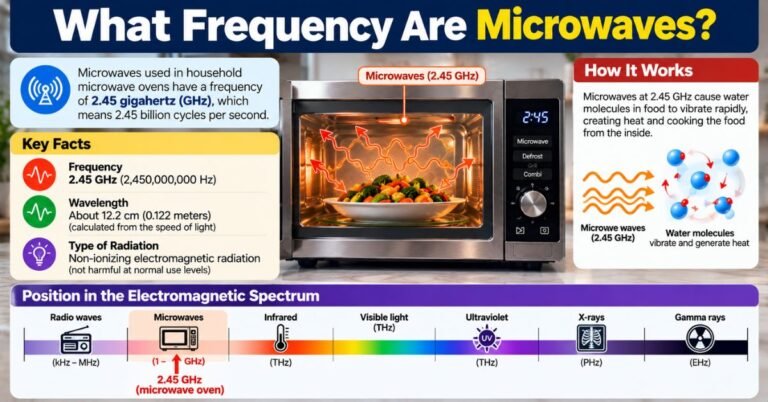
A microwave does not heat food from the outside inward like a pan. It excites water molecules throughout the food. This can create hot spots inside an egg before the surface feels very hot.
The main causes include:
• A hard shell blocks steam from escaping.
• A yolk membrane can seal in steam.
• A cooked egg may contain small pockets of water.
• Thick egg whites can trap pressure.
• Uneven microwave heating can leave some areas much hotter than others.
Think of the egg as a tiny pressure vessel. As heat increases, the water inside changes to steam. If the steam cannot escape, the pressure keeps climbing until the shell or membrane gives way.
This explains why do eggs explode in the microwave even when the microwave setting seems low. A lower power level may reduce the risk, but it does not remove the trapped-steam problem.

Why Whole Eggs Are Dangerous in a Microwave
A whole raw egg in its shell is one of the clearest examples of why do eggs explode in the microwave. The shell is hard, sealed, and poorly designed for steam release.
As the egg heats, water in the egg white and yolk forms steam. The shell holds that steam inside. Since pressure rises inside a closed space, the shell can crack or burst during heating.
The danger does not always end when the microwave stops. A whole egg may explode when you remove it, tap it, or cut into it. The inside can remain under pressure even though the outside looks normal.
A hard-boiled egg can be just as risky. Cooking removes some moisture, but the yolk and white still contain water. Dense areas can heat unevenly and form steam pockets.
Heating a whole egg in the shell may also damage the microwave. Egg pieces can stick to the walls, ceiling, or turntable. Cleaning the mess is unpleasant, but a hot egg can cause a more serious burn.
Food-safety guidance consistently warns against microwaving eggs in their shells. The simple rule is best: never microwave a whole raw or hard-boiled egg with the shell on.
Why Hard-Boiled Eggs Can Explode After Cooking
Many people wonder why do eggs explode in the microwave after they have already been boiled. The answer is that cooking changes the egg’s texture but does not remove all of its water.
The yolk becomes firm and dense. When you microwave it, heat may build inside small areas faster than steam can move through the cooked yolk. The yolk membrane can act like a thin seal.
A hard-boiled egg may explode:
• While it is heating.
• When you take it out.
• When you slice it.
• When you bite into it.
• When you press it with a fork.
This delayed reaction is especially surprising. The egg may sit quietly on a plate, then burst when a knife breaks the heated center. That sudden release can send hot yolk and steam toward your hands or face.
For safer results, slice the egg into small pieces before reheating. Arrange the pieces in a single layer, cover them loosely, and use short heating periods. Even then, stovetop reheating is often safer and gives better texture.

Why Egg Yolks Explode More Easily Than Egg Whites
The yolk is thick, round, and wrapped in a thin membrane. These features help explain why do eggs explode in the microwave when the yolk is left whole.
Microwaves heat the water in the yolk. Steam forms inside the yolk, but the membrane may prevent it from escaping. The pressure can split the membrane with surprising force.
A raw yolk may burst even after you remove the egg from the microwave. The center can be hotter than the outside, much like a small balloon filled with hot vapor.
Egg whites usually spread more easily, especially when beaten. A loose liquid mixture gives steam more paths to escape. However, thick or folded egg whites can still form hot pockets.
To reduce the risk, pierce the yolk before microwaving it. Use a clean fork or the tip of a knife to break the membrane. Make several small openings, rather than one deep hole.
Piercing helps, but it is not a guarantee. Microwaves can heat unevenly, so use short cooking times and let the egg rest before touching it.

Does a Microwave Make Eggs Heat Unevenly?
Yes. Uneven heating is a major part of why do eggs explode in the microwave. Microwave energy can create hot and cool spots inside the cooking area.
The egg’s shape also affects heating. A rounded yolk may absorb energy differently from the surrounding white. A thick portion may become very hot while a thin portion stays cooler.
Several factors affect heating:
• Microwave wattage.
• Egg size.
• Starting temperature.
• Container shape.
• Amount of food in the dish.
• Cooking time.
• Moisture level.
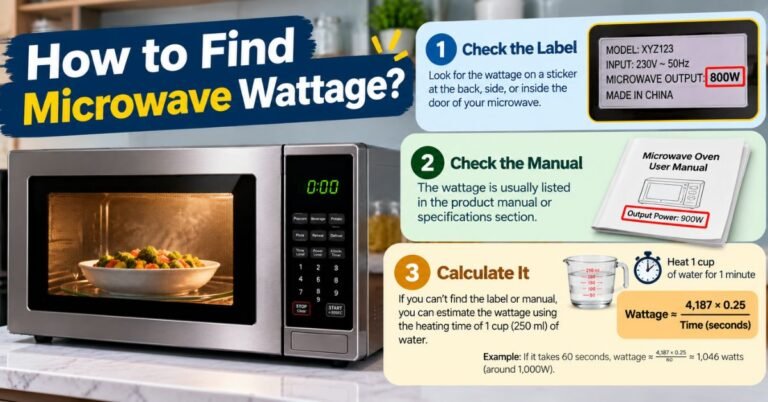
A high-wattage microwave can heat an egg much faster than an older, lower-wattage model. If a recipe says to cook an egg for one minute, your microwave may need less time.
Always begin with less time than you think you need. Stir or rotate the food when possible. Let the egg rest for at least a short time, since heat can continue moving through it after the microwave stops.
This pause is useful, but do not assume resting makes a sealed egg safe. A whole egg can still hold pressure after cooking.

How to Microwave Eggs Safely
The safest way to microwave eggs is to remove them from the shell and break the yolk before heating. A loose egg mixture allows steam to escape more easily.
Follow these steps:
-
Crack the egg into a microwave-safe bowl or mug.
-
Check for shell pieces and remove them.
-
Beat the egg until the yolk and white are mixed.
-
Add a small amount of liquid if desired, such as water or milk.
-
Cover the bowl loosely with a microwave-safe lid or paper towel.
-
Cook at medium power in 15- to 20-second intervals.
-
Stir between intervals.
-
Stop when the egg is nearly set.
-
Let it stand briefly before eating.
Do not seal the container tightly. A sealed lid can trap steam and create another pressure hazard.
If you want to microwave an intact yolk, pierce it several times first. Place a microwave-safe cover over the dish, but leave room for steam to escape.
For scrambled eggs, frequent stirring is the best habit. It breaks up hot spots and spreads heat through the mixture. The egg may look slightly wet when you stop, but carryover heat will finish the cooking.
What Not to Do When Microwaving Eggs
Knowing why do eggs explode in the microwave is useful, but avoiding common mistakes is even more important.
Never do these things:
• Do not microwave a raw egg in its shell.
• Do not microwave a hard-boiled egg whole.
• Do not heat an egg in a sealed container.
• Do not assume a low power setting makes a shell egg safe.
• Do not hold a heated egg close to your face.
• Do not cut into a hot whole egg right away.
• Do not use metal containers or foil unless your microwave manual clearly allows it.
• Do not leave the microwave unattended when testing a new egg method.
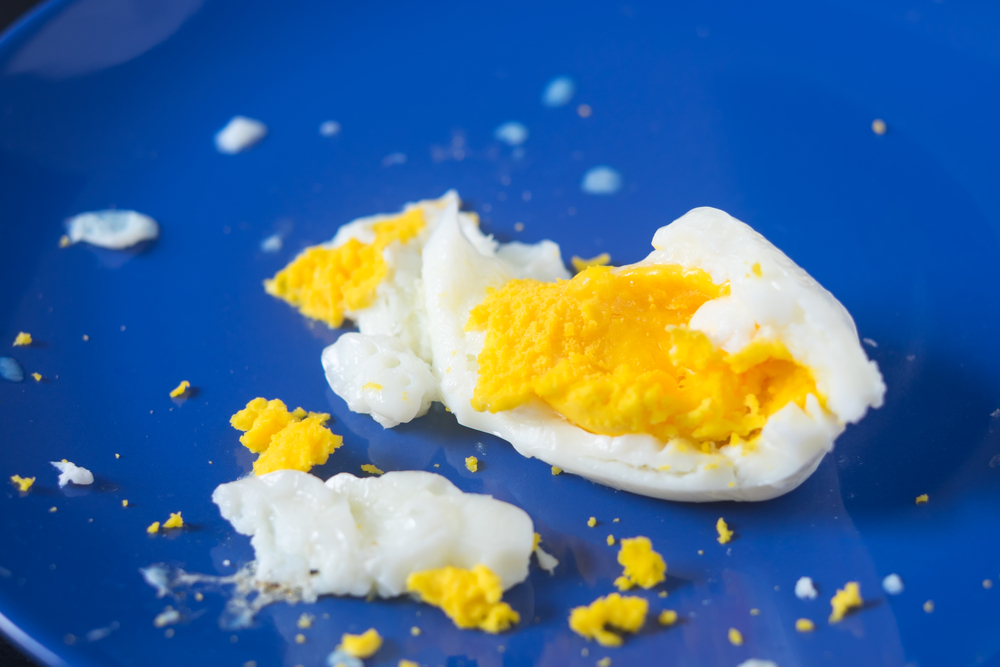
A common kitchen mistake is reheating a boiled egg for breakfast without slicing it first. The egg may look harmless, but the dense yolk can hold intense heat. Cutting it too soon can release a burst of steam and hot yolk.
Another mistake is trusting appearance. The outside of an egg can feel warm while the inside is hot enough to burn. Handle it carefully and allow it to cool before eating.

How to Reheat Cooked Eggs Without an Explosion
Reheating eggs works best when you use gentle heat. High heat can make the texture rubbery and increase the chance of hot spots.
For scrambled eggs:
• Place them in a shallow microwave-safe dish.
• Add a teaspoon of water or milk.
• Cover loosely.
• Heat in short intervals.
• Stir after each interval.
For sliced hard-boiled eggs:
• Cut the egg into small pieces.
• Spread the pieces across the dish.
• Heat at low or medium power.
• Check after 10 to 15 seconds.
• Let the pieces cool before eating.
For an omelet or frittata:
• Cut it into smaller sections.
• Cover it loosely with a damp paper towel.
• Use medium power.
• Turn or rearrange thick pieces during heating.
The goal is to warm the egg, not cook it again. Gentle heating protects both safety and texture. If the egg becomes dry, shrinks, or smells strongly sulfurous, it has likely been overheated.
A stovetop pan is often the better choice for reheating whole cooked eggs. It takes a little longer, but the heat is easier to control and the egg warms more evenly.

What to Do if an Egg Explodes in the Microwave
If an egg explodes, turn off the microwave and wait before opening the door. Hot steam may remain inside the cooking space.
Use these steps:
-
Switch off the microwave.
-
Wait several minutes for the food and steam to cool.
-
Open the door carefully.
-
Wear oven mitts if the dish is hot.
-
Remove large pieces with a damp cloth or sponge.
-
Clean the ceiling, walls, and turntable.
-
Check the microwave for cracks or damage.
Do not touch hot egg residue with bare hands. Steam burns can happen quickly, and egg pieces may stay hot after the explosion.
If the microwave has unusual sparks, a burning smell, or visible damage, stop using it. Contact the manufacturer or a qualified appliance technician if needed.
Cleaning soon after the mess cools is helpful. Egg proteins become harder to remove when they dry on the microwave’s interior.

The Science Behind Microwave Egg Explosions
The science behind why do eggs explode in the microwave comes down to pressure, heat, and water.
Water expands when it becomes steam. In an open pan, steam can rise into the air. Inside a shell or sealed food pocket, it has nowhere to go.
Microwaves create heat by making certain molecules move rapidly. Food with more water absorbs more microwave energy. Eggs contain a large amount of water, especially in the egg white.
Pressure rises when steam is trapped in a small space. If the pressure becomes stronger than the shell or membrane, the barrier breaks. The result may be a crack, pop, or sudden burst.
This process is similar to steam escaping from a covered pot, but an egg has a much smaller and more fragile pressure chamber. The release can be quick and forceful.
Microwave cooking also lacks perfect temperature control. A microwave may heat the center of a food item while leaving another area cooler. That is why stirring, piercing, venting, and resting matter.
Common Myths About Exploding Eggs
Several myths make people underestimate the risk.
Myth one: A boiled egg cannot explode because it is already cooked.
Fact: A cooked egg still contains water. Steam can build inside the yolk or white during reheating.
Myth two: Low microwave power makes a whole egg safe.
Fact: Lower power may slow heating, but it does not provide a safe path for trapped steam.
Myth three: If the egg does not explode during cooking, it is safe to cut immediately.
Fact: Hot pressure can remain inside the egg. Cutting or biting it may trigger the burst.
Myth four: A toothpick hole always solves the problem.
Fact: Piercing can help a yolk release steam, but it does not make a whole shell egg safe. The shell still creates a closed space.
Myth five: Covering an egg tightly prevents a mess.
Fact: A tight cover may trap steam and increase pressure. Use a loose, vented cover instead.
Frequently Asked Questions
Why do eggs explode in the microwave when they have no shell?
A yolk membrane or dense cooked egg can still trap steam without a shell. Piercing the yolk, breaking the egg apart, and using short heating periods can reduce the risk.
Can you microwave a raw egg safely?
You can microwave a raw egg after cracking it into a microwave-safe dish and breaking the yolk. Never microwave a raw egg in its shell.
Can a hard-boiled egg explode after it leaves the microwave?
Yes. Heat and steam may remain trapped inside the yolk. The egg can burst when you cut, bite, or press it.
How do you stop an egg from exploding in the microwave?
Remove the shell, pierce intact yolks, use a loose cover, and cook in short intervals. Stirring helps spread heat and reduce hot spots.
Is it safe to microwave scrambled eggs?
Yes, scrambled eggs are generally safer because the yolk membrane is broken. Cook them in short intervals and stir often to prevent uneven heating.
Why do eggs explode in the microwave even at low power?
Low power slows the rate of heating but does not remove trapped steam. If pressure builds inside a shell or membrane, the egg can still burst.
Should you cover eggs while microwaving them?
A loose cover can reduce splatter while allowing steam to escape. Do not use an airtight lid or sealed container.
Conclusion
Eggs explode in the microwave when steam becomes trapped inside a shell, yolk membrane, or dense cooked portion. Uneven heating makes the problem worse, and the egg may burst during cooking, after cooking, or when you cut into it.
The safest habits are simple: never microwave eggs in their shells, pierce yolks, break cooked eggs into pieces, use short cooking intervals, and choose a loose cover. Treat every hot egg with care, especially when the center is hidden.
Use these steps the next time you prepare eggs, and you can enjoy a quick meal without a dangerous surprise. Share your own microwave egg tips or explore more kitchen safety guides for practical cooking advice.