Can You Microwave Paper Plates: Safe Use Guide
Yes, you can microwave many paper plates briefly, but check the label and avoid coated, printed, or damaged plates.
The answer to “can you microwave paper plates” depends on the plate’s material, coating, design, and heating time. This guide explains how to check a plate, warm food safely, avoid common mistakes, and know when glass or ceramic is the better choice.
Can You Microwave Paper Plates Safely?
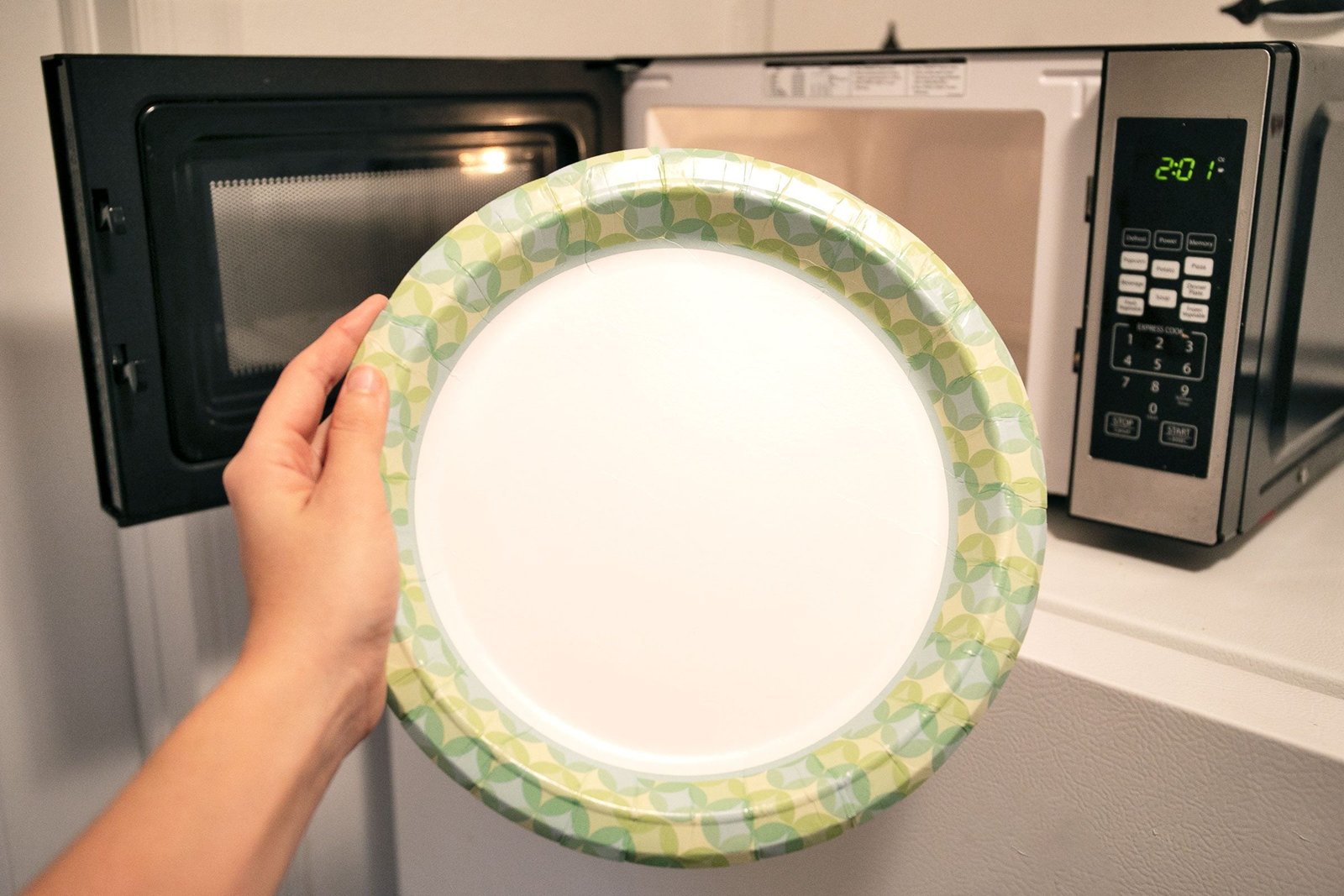
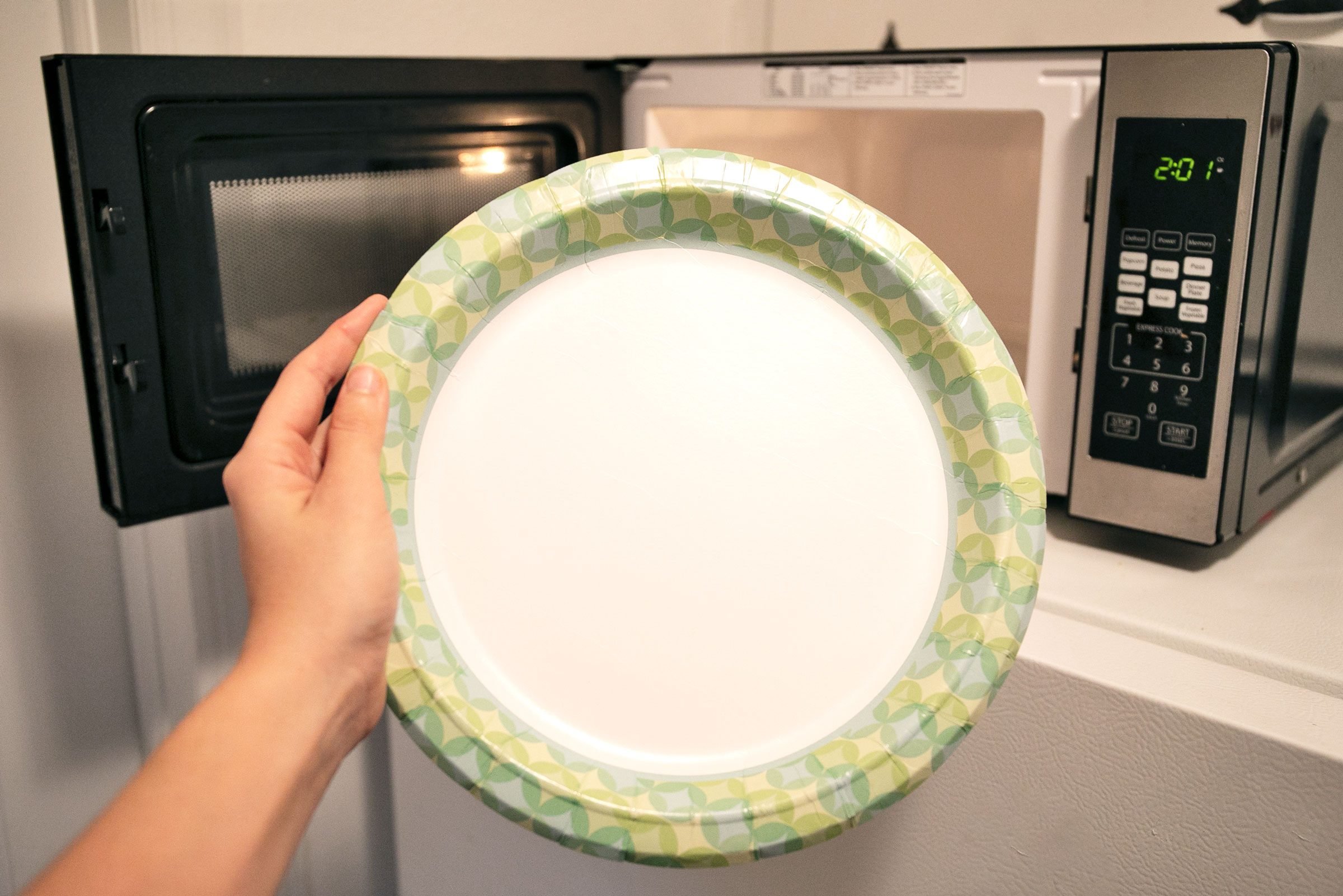
Yes, you can microwave paper plates if the package says they are microwave-safe. Plain paper plates made for food use are often suitable for short heating periods. Still, “paper” does not always mean safe for microwave use.
Some plates contain plastic coatings, wax, foam layers, dyes, or metallic decorations. These materials may melt, smoke, spark, or transfer unwanted chemicals to food when heated.
When deciding whether you can microwave paper plates, look for:
• A “microwave-safe” label on the package or plate
• Clear heating instructions from the manufacturer
• A plain paper surface without foil or metallic trim
• No plastic film, glossy coating, or heavy printed design
• A plate that is dry, clean, and free from cracks or tears
A microwave-safe label is the best guide because manufacturers know the exact materials used in their products. If there is no label, use a microwave-safe glass or ceramic dish instead.

Why Some Paper Plates Work in a Microwave
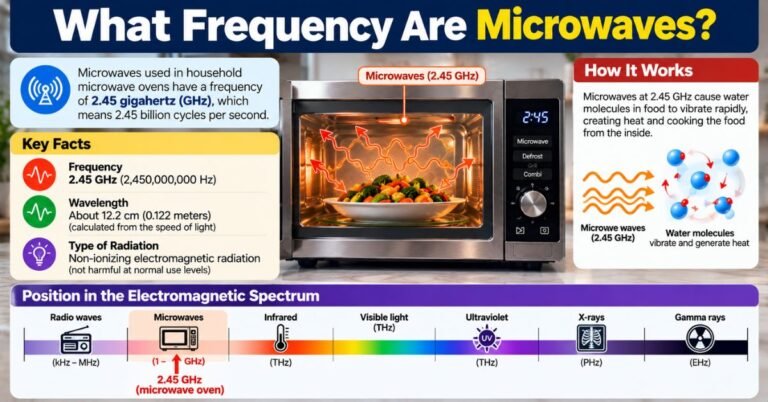
Microwaves heat food mainly by exciting water molecules. The paper plate does not usually absorb much microwave energy, so it may stay cooler than the food sitting on it.
However, the food can make the plate very hot. Oil, grease, sugar, and steam can soak into the fibers and weaken the plate. A thin plate may bend or leak when you lift it.
The main issue is not always the microwave itself. It is the combination of:
• High heat
• Long heating times
• Greasy or wet food
• Weak or damaged paper
• Plastic or wax coatings
• Ink, dyes, or metallic decorations
Think of a paper plate as a short-term serving surface, not a cooking pan. It may handle reheating leftovers, but it is not designed for baking, boiling, or extended heating.
Which Paper Plates Are Usually Microwave-Safe?
Plain, uncoated paper plates are often the safest option when the package approves microwave use. Heavy-duty paper plates may also work well because they resist bending and soaking.
Even so, thickness alone does not prove that a plate is microwave-safe. A thick plate may still have a coating that softens under heat.
Better choices
• Plain white paper plates marked microwave-safe
• Uncoated paper plates made for hot food
• Heavy paper plates with clear heating directions
• Paper bowls labeled for microwave use
Plates that need extra caution
• Glossy plates with a smooth plastic-like surface
• Plates with dark, heavy, or metallic-looking prints
• Compostable plates made from sugarcane, bamboo, or plant fiber
• Plates with wax, plastic, or grease-resistant coatings
• Old plates stored in a hot or damp place
compostable does not automatically mean microwave-safe. Some plant-fiber plates handle heat well, while others soften quickly. Always follow the package directions.

How to Microwave Paper Plates Properly
If the plate is labeled microwave-safe, use it for brief reheating. A careful method helps prevent spills, overheating, and damage.
-
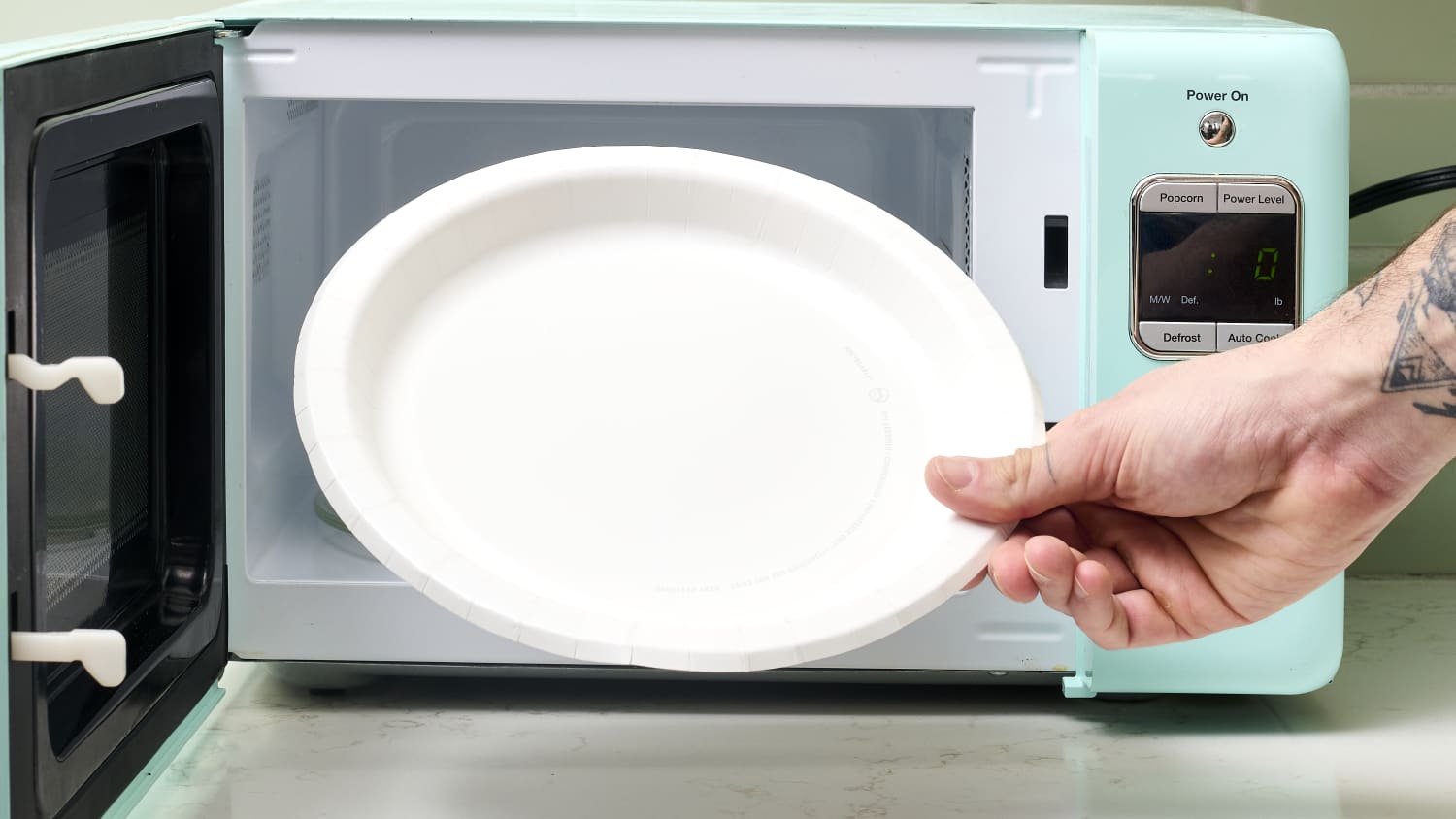
Place the paper plate in the center of the microwave turntable.
-
Add the food without overloading the plate. Heavy or very wet food can make the plate sag.
-
Cover the food with a microwave-safe cover or a damp paper towel if needed. Do not use plastic wrap unless it is labeled for microwave use.
-
Heat the food in short intervals, such as 20 to 30 seconds.
-
Stir or rotate the food between intervals when possible.
-
Check the plate before removing it. If it looks wet, warped, scorched, or melted, stop using it.
-
Use oven mitts if the food or plate feels hot.
Short heating periods are safer than running the microwave for several minutes at once. This also helps the food heat more evenly.
How Long Can You Microwave a Paper Plate?
There is no single time limit for every paper plate. The safe time depends on the plate, the food, the microwave power, and the manufacturer’s instructions.
For many leftovers, 30 seconds to 2 minutes is enough. A plate may handle this time well if it is labeled microwave-safe and the food does not contain much liquid or grease.
Avoid using a paper plate for:
• Long cooking cycles
• Reheating food for more than a few minutes without checking it
• Cooking raw meat
• Melting butter or cheese for a long time
• Heating thick sauces until they boil
• Baking or browning food
If food needs extended heat, use a microwave-safe glass or ceramic dish. These dishes are more stable and less likely to bend or leak.

Foods That Can Cause Problems
The food on the plate matters as much as the plate itself. High-moisture foods may create steam, while greasy foods can soak through the paper.
Use extra care with:
• Fried chicken and other oily foods
• Bacon and sausage
• Hot soup or chili
• Cheese-heavy dishes
• Syrups and sugary desserts
• Very wet leftovers
• Foods that release steam under a cover
Grease can weaken paper fibers and make the plate difficult to lift. Hot liquid can also spill through a soft spot.
For soup, stew, or sauces, a microwave-safe bowl is a much better choice. For oily foods, place the food on a stronger labeled plate and use a microwave-safe dish underneath if the plate seems weak.

Paper Plates You Should Not Microwave
Do not microwave paper plates that have visible metal. Metallic trim, foil designs, and shiny decorations can cause sparks and may damage the microwave.
Avoid plates that show any of these signs:
• Smoke or a burning smell
• Sparks or flashes
• Browning or black marks
• Melting or bubbling
• A strong chemical odor
• A soft, collapsing center
• Cracks, tears, or heavy water damage
Do not put a paper plate in the microwave if it has been used to hold raw meat and will be reused. Disposable plates should be discarded after contamination, especially when safe food handling is a concern.
Also avoid placing an empty paper plate in the microwave. Microwaving an empty item for too long can cause overheating, even when the item is normally safe with food on it.

Paper Plates vs. Other Microwave-Safe Dishes
Paper plates are convenient because they reduce washing. They are useful for a quick snack, a short reheating cycle, or a casual meal.
Glass and ceramic dishes are usually better for longer heating. They do not soak up grease, bend under weight, or become soft in the same way paper can.
Paper plates
• Light and convenient
• Good for short reheating
• Useful during parties or busy meals
• May bend, leak, or absorb grease
Glass dishes
• Stable and reusable
• Good for soups and wet foods
• Easy to inspect for damage
• Can become very hot
Ceramic dishes
• Strong and useful for many foods
• Suitable for reheating and serving
• May have unsafe metallic decoration
• Can crack if damaged or exposed to sudden temperature changes
When in doubt, choose plain microwave-safe glass. It is often the simplest and most reliable option.
Common Mistakes to Avoid
Many microwave problems come from using the right item in the wrong way. These simple mistakes can turn a safe reheating task into a messy one.
• Heating a plate with no food on it
• Using a plate with foil or metal details
• Heating greasy food for too long
• Stacking several paper plates together
• Ignoring a burning smell
• Reusing a weak or soggy plate
• Assuming compostable means microwave-safe
• Covering food with unsafe plastic
• Picking up a hot plate without checking its strength
A practical kitchen habit is to start with less time. You can always add another 20 or 30 seconds, but you cannot undo a scorched plate or spilled meal.
A Practical Safety Test
A simple inspection can help, but it cannot replace the manufacturer’s instructions. If the plate has no microwave guidance, the safest choice is not to test it.
Before heating, ask:
-
Does the package clearly say microwave-safe?
-
Is the plate free from foil, metal, and glossy unknown coatings?
-
Is the plate clean, dry, and undamaged?
-
Is the food suitable for short reheating?
-
Can the food fit without making the plate bend?
If the answer to any question is no, transfer the food to a labeled glass or ceramic container.
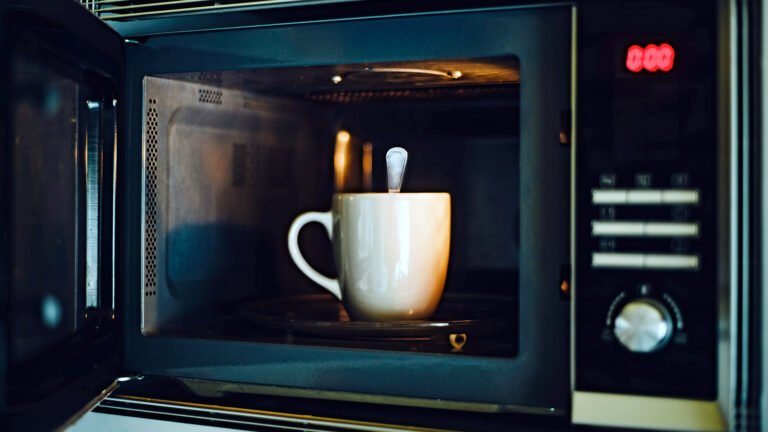
Some people recommend heating an empty paper product with a cup of water nearby as a test. This is not a dependable safety method because plates vary widely. Manufacturer guidance remains more trustworthy than a homemade test.
What Experts and Safety Guidance Recommend
Food-contact materials must be made and used according to their intended purpose. Packaging directions matter because a manufacturer may use different paper fibers, inks, adhesives, or coatings in each product.
Microwave safety guidance commonly stresses three points:
• Follow the product label
• Use microwave-safe containers
• Stop heating if the container smokes, sparks, melts, or changes shape
Food safety also matters. Reheating food on a paper plate does not make unsafe leftovers safe. Refrigerate leftovers promptly, reheat them thoroughly, and avoid keeping cooked food at room temperature for extended periods.
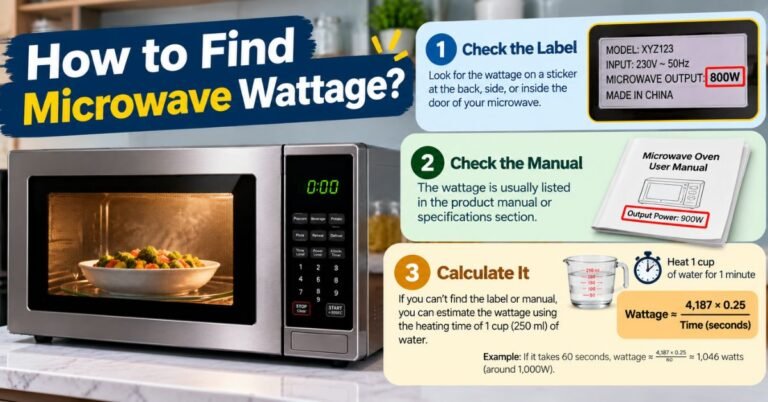
The exact heating time varies by microwave wattage and food type. That is why a general rule cannot replace label directions and careful observation.
Real-Life Tips for Everyday Use
Paper plates are handy during a quick lunch, a family gathering, or a kitchen cleanup. They work best when the food is fairly dry and the heating time is short.
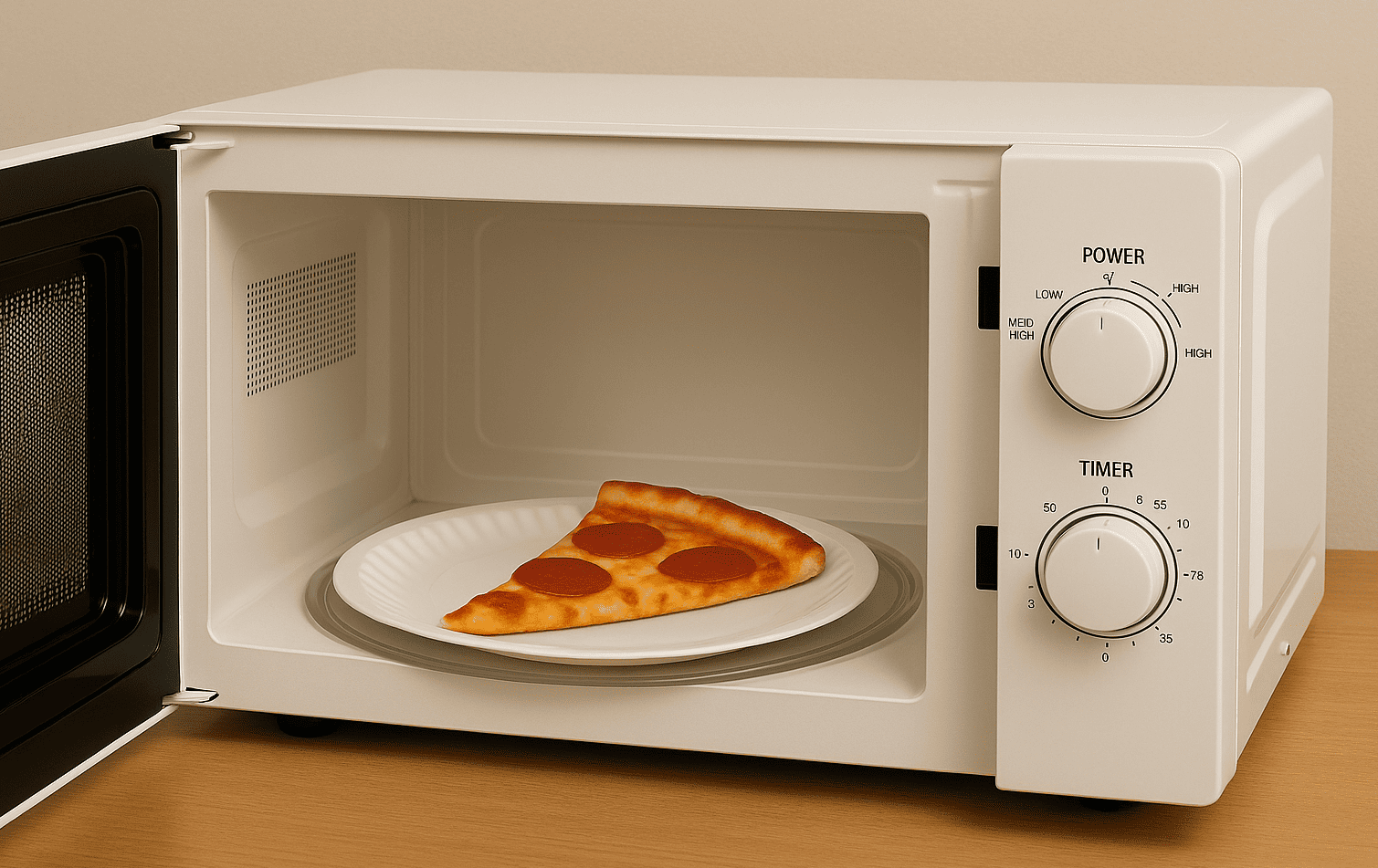
For example, a labeled paper plate may work well for reheating two slices of pizza for 30 to 60 seconds. It is less suitable for heating a bowl of chili, which can soak through the paper and make the plate hard to carry.
A useful habit is to place the paper plate on a microwave-safe glass dish when the food is heavy or wet. The glass dish provides support and catches leaks, while the paper plate still makes cleanup easier.
Frequently Asked Questions About Can You Microwave Paper Plates
Can you microwave paper plates with food on them?
Yes, you can microwave paper plates with food if the plate is labeled microwave-safe. Use short heating intervals and stop if the plate bends, smokes, melts, or smells burnt.
Can you microwave plain white paper plates?
Often, yes, but plain white color alone does not guarantee safety. Check the package for microwave instructions before heating the plate.
Can you microwave paper plates with designs?
Some printed paper plates are microwave-safe, while others are not. Avoid plates with foil, metallic ink, heavy glossy coatings, or unclear labeling.
Can you microwave disposable paper plates for leftovers?
Yes, a microwave-safe disposable paper plate can work for short reheating. Use a glass or ceramic dish for soup, very greasy food, or long heating cycles.
Can you microwave compostable paper plates?
Some compostable plates are microwave-safe, but the material varies. Check the package because plant fiber, bamboo, and sugarcane plates may soften or react differently to heat.
Can paper plates catch fire in a microwave?
Paper plates can scorch or burn if they become very dry, overheated, or exposed to sparks from metal. Never heat an empty paper plate for a long time, and stop the microwave if you see smoke or flames.
Are paper plates safer than plastic plates in the microwave?
Not automatically. Microwave safety depends on the exact material and label, so use only products marked for microwave use and follow their instructions.
Conclusion
You can microwave paper plates when they are clearly labeled microwave-safe and used for short reheating periods. Avoid metal details, unknown coatings, damaged plates, long heating cycles, and foods that are very greasy or liquid.
When the label is missing, choose a microwave-safe glass or ceramic dish. That small step can prevent spills, burns, odors, and damage to your microwave. Check your plate before heating, start with a short time, and share this guide with anyone who wants a safer, simpler kitchen routine.