Is Styrofoam Microwave Safe: What You Need To Know
Most Styrofoam containers are not microwave safe unless the package clearly says they are.
The answer to “is Styrofoam microwave safe” depends on the exact material, container label, food, and heating time. In everyday use, plain foam takeout boxes and cups are a poor choice for the microwave because heat can soften them, warp them, or allow chemicals to move into food. This guide explains how to check the label, what risks matter, and which containers are safer.
Is Styrofoam Microwave Safe?
Usually, no. Most products called “Styrofoam” are made from expanded polystyrene foam. This light material works well for insulation and food delivery, but it is not designed for high heat.
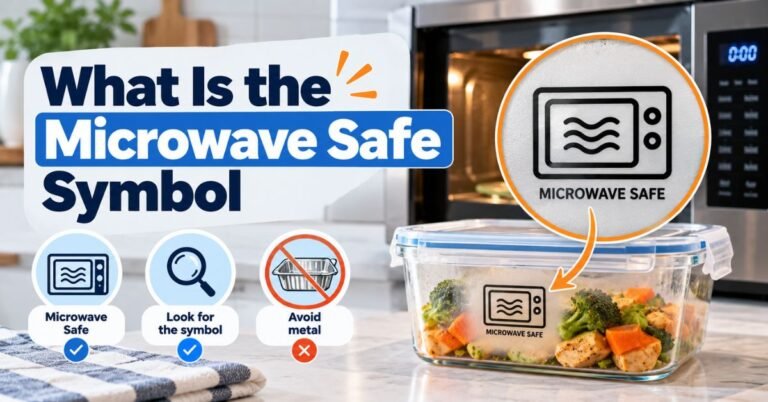
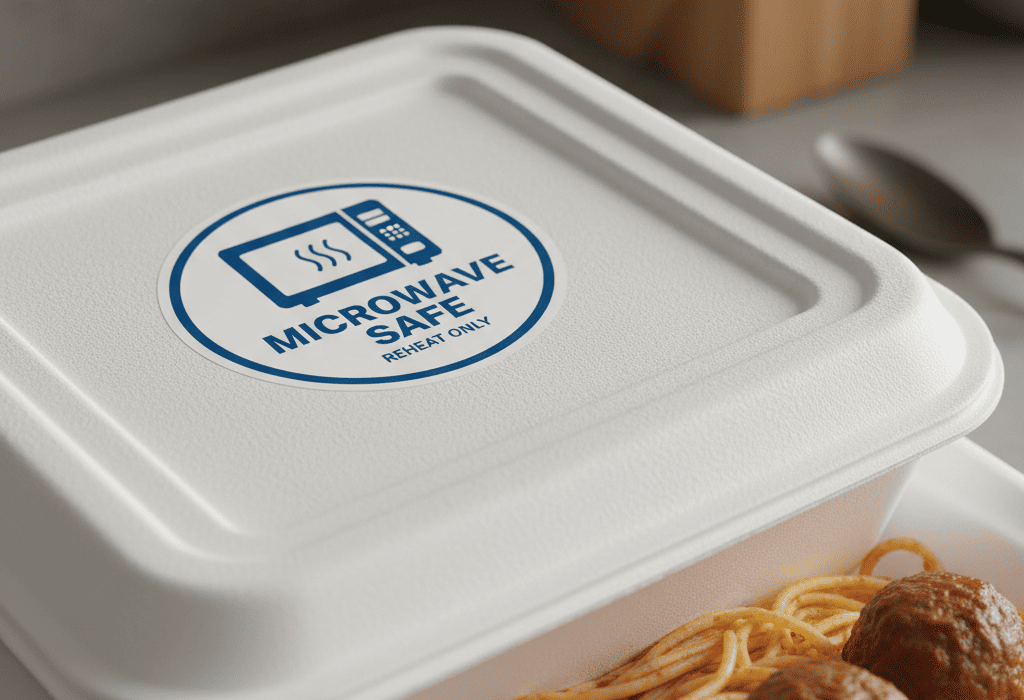
Some foam containers may be made for limited microwave use. However, you should trust the container’s printed instructions rather than its appearance. A microwave-safe symbol, written statement, or manufacturer direction is the clearest guide.
The answer to “is Styrofoam microwave safe” also depends on the food inside. Hot, oily, sugary, or acidic foods can heat the container more than plain water or a cool meal.
A foam container may show these warning signs when heated:
• It becomes soft or bends.
• The sides shrink or collapse.
• The bottom feels unusually hot.
• The food develops a plastic-like smell.
• Oil leaks through the container.
• The container sticks to the turntable.
If you notice any of these signs, stop the microwave and move the food to a glass or ceramic dish.

Why Styrofoam Can Be Unsafe in a Microwave
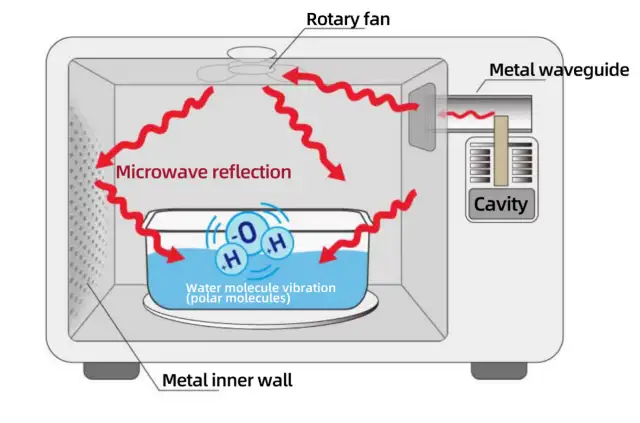
Microwave energy heats food by making water molecules move. The food then transfers heat to the container. Foam has a low melting and softening range compared with glass, ceramic, and many microwave-safe plastics.
This does not mean every foam container will instantly melt. Often, the container stays intact during a short heating cycle. Still, softening can happen without obvious damage, especially near hot spots or under greasy food.
The main concerns include:
Heat and melting
Expanded polystyrene foam can lose its shape when exposed to high heat. A short warming cycle may not cause visible melting, but longer heating can make the container sag or leak.
A damaged container can spill hot food and cause burns. It can also leave foam on the microwave floor, which is difficult to clean.
Chemical migration
When food touches heated plastic or foam, small amounts of chemicals may move from the container into the food. The amount depends on temperature, contact time, food type, and the material’s design.
Greasy and oily foods are especially important. Fat can become very hot in the microwave and may pull certain compounds from packaging more easily than water-based food.
This does not mean one brief exposure will automatically cause harm. It does mean that repeated heating in an unapproved foam container is an avoidable risk.
Uneven heating
Microwaves heat food unevenly. One part of a meal may feel warm while another part is extremely hot. A foam container may look safe at the edges while the base under a hot sauce or oily portion becomes soft.
Stirring food and checking its temperature can help, but these steps do not make an unapproved container microwave safe.

What “Microwave Safe” Really Means
A microwave-safe label means the container has been made and tested for intended microwave conditions. It does not mean the container will never become warm or that it can handle unlimited heating.
Microwave-safe products are designed to resist normal heating without melting, cracking, or releasing unsafe levels of substances into food. The label often appears as:
• A microwave icon with wavy lines.
• The words “microwave safe.”
• Instructions such as “vent before heating.”
• A manufacturer’s heating limit.
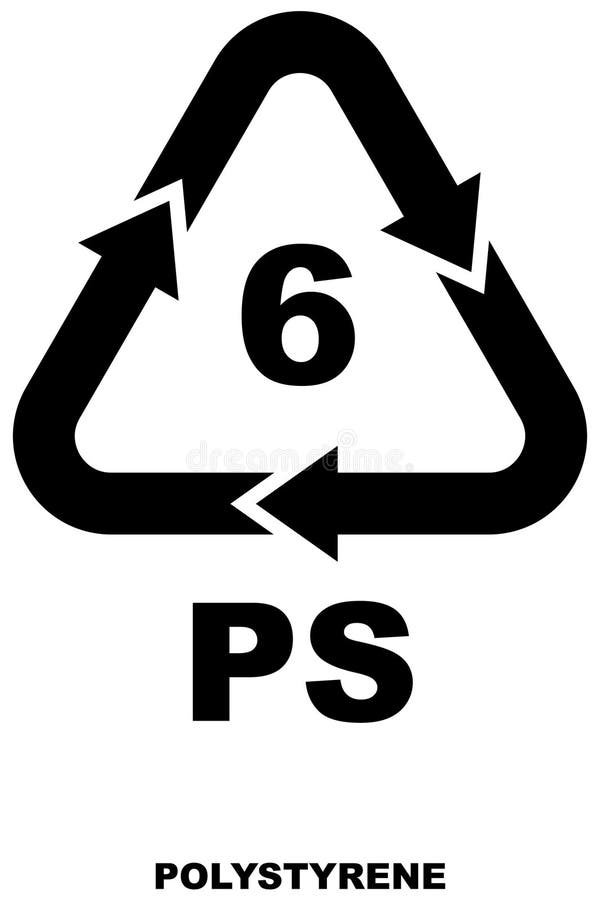
A recycling number does not prove that a container is microwave safe. For example, a recycling code identifies the type of plastic. It does not tell you whether the item has been tested for microwave heating.
The word “Styrofoam” can also create confusion. True Styrofoam is a brand name for a type of extruded polystyrene insulation. Food cups and takeout boxes often use expanded polystyrene foam, which people commonly call Styrofoam.
The name matters less than the label. If the package does not clearly approve microwave use, treat it as unsuitable.

How to Check a Foam Container Before Heating
When you are unsure whether Styrofoam is microwave safe, use a simple inspection process.
-
Look for a microwave-safe symbol or written approval.
-
Read the bottom, side, lid, and original package.
-
Check for heating directions and time limits.
-
Look for warnings such as “do not microwave.”
-
Consider the food’s heat, oil, sugar, and acidity.
-
Transfer the food if the label is missing or unclear.
A missing label is not proof that the container is unsafe, but it is a reason to choose a safer dish. This is especially true for restaurant takeout packaging because restaurants may use several container types from different suppliers.
Never microwave the lid unless it is also labeled for microwave use. Many lids contain a different plastic from the base. Some may warp, seal tightly, or block steam from escaping.
If the container has foil, metal trim, a metallic coating, or a wire handle, do not place it in the microwave.

Safer Alternatives to Styrofoam
The easiest way to avoid the question “is Styrofoam microwave safe” is to move the food into a container made for microwave heating.
Good choices include:
• Plain glass dishes.
• Microwave-safe ceramic bowls.
• Heat-safe stoneware without metallic paint.
• Containers labeled microwave safe.
• Silicone cookware labeled for microwave use.
Glass is often the simplest option. It does not absorb food smells easily, and you can see the meal while it heats. Ceramic also works well, but avoid pieces with gold, silver, or metal decoration.
Some plastic containers are suitable for microwave use. Use only products marked microwave safe, and replace them if they become cracked, cloudy, warped, or deeply scratched.
Do not use single-use food tubs, foam trays, grocery containers, or cold-storage packaging as regular microwave dishes unless the maker specifically approves them. A container designed for refrigeration may not handle microwave heat.
Foods You Should Never Heat in Foam Containers
Even if a container seems sturdy, certain foods create more heat and pressure than others.
Avoid heating these foods in an unapproved foam container:
• Fried chicken, french fries, bacon, and other oily foods.
• Cheese sauces and thick cream sauces.
• Syrups, caramel, and foods high in sugar.
• Tomato sauce and other acidic meals.
• Very hot soups or stews.
• Food with a thick layer of fat on top.
• Large portions that need long heating times.
Oil and sugar can reach very high temperatures. Thick foods can also develop hot spots that heat the container from one small area.
Soup deserves special care. Steam can build under a lid, and the liquid may suddenly bubble when moved. Use a microwave-safe bowl with a loose cover, leave room at the top, and stir during heating.

What to Do If You Already Microwaved Styrofoam
Do not panic if you have already heated food in a foam container. A short heating cycle does not automatically mean the meal is dangerous.
Check the container and food carefully:
• Stop heating if the foam has melted, shrunk, or changed shape.
• Discard the food if pieces of foam entered it.
• Do not eat food with a strong chemical smell or strange taste.
• Transfer undamaged food to a glass or ceramic dish if you still need to heat it.
• Clean the microwave if foam melted onto the surface.
If the container only became slightly warm and showed no damage, the immediate risk is likely low. Still, avoid repeating the practice because the conditions may change with a hotter meal, longer time, or a different container.
Do not scrape melted foam into food. When in doubt, throw the food away. Replacing a meal is safer than trying to remove tiny pieces or residue.

Common Mistakes to Avoid
Many microwave problems happen because people assume that a familiar container is safe. A foam box may look clean and strong, but appearance does not show how it reacts to heat.
Avoid these mistakes:
• Assuming all Styrofoam products have the same formula.
• Relying only on a recycling symbol.
• Microwaving the lid without checking it.
• Heating oily food for several minutes in foam.
• Leaving the microwave unattended.
• Using a damaged or reused foam container.
• Placing foam under a grill or convection heating element.
• Believing a short test makes an unlabeled container safe.
A common mistake is heating food in short bursts while leaving the container in place. Short bursts may reduce softening, but they do not guarantee safe use. The container still touches hot food, and repeated heating can raise the total exposure.
Another mistake is placing foam near the microwave’s grill function. A microwave-convection oven can expose the container to direct radiant heat. Foam packaging should not be used with broil, grill, or oven settings unless the manufacturer specifically permits it.
My Practical Rule for Using Foam Food Containers
When I help people make safer kitchen choices, I suggest one simple rule: if a foam container has no clear microwave label, transfer the food before heating it.
This takes less than a minute. I use a plain glass bowl, cover it loosely, and stir the food halfway through heating. That small habit prevents spills, melted packaging, and needless uncertainty.
I also check the base and the lid separately. In many takeout meals, the lid is more likely to bend or trap steam than the container itself. Removing the lid and using a microwave-safe cover gives steam a safe way to escape.
The biggest lesson is not to judge a container by one successful use. A box may survive yesterday’s warm rice but fail today when it holds hot curry or oily noodles. Food temperature, heating time, portion size, and container quality all matter.
Environmental and Disposal Considerations
Expanded polystyrene foam is lightweight, but it can be difficult to recycle in many communities. Local rules vary, so check your city or waste provider before placing foam in a recycling bin.
Do not burn foam. Burning it can release harmful fumes. Do not pour melted foam or food-contaminated pieces into drains.
If you regularly receive takeout in foam packaging, consider these options:
• Reheat food in reusable glass containers.
• Ask restaurants whether they offer fiber, paper, or reusable packaging.
• Carry a clean microwave-safe container for leftovers.
• Reduce waste by ordering portions that match your needs.
Microwave safety and environmental impact are separate issues. A container can be unsuitable for the microwave even if it is accepted for recycling. Likewise, a microwave-safe container may still be single-use or difficult to recycle.
Frequently Asked Questions About Is Styrofoam Microwave Safe
Can you microwave Styrofoam for 30 seconds?
Only do so if the container is clearly labeled microwave safe. If there is no label, transfer the food to glass or ceramic first because even short heating can create hot spots.
How can you tell if Styrofoam is microwave safe?
Look for a microwave-safe symbol or written instructions on the container, lid, or original package. A recycling number alone does not confirm microwave safety.
What happens if Styrofoam melts in the microwave?
Stop the microwave and let the container cool before removing it. Discard food that touched melted foam, and clean the microwave before using it again.
Is it safe to microwave soup in a Styrofoam cup?
Do not microwave soup in an unapproved foam cup. Hot liquid can create steam, overflow, or soften the cup, so use a microwave-safe glass or ceramic bowl instead.
Is microwave-safe foam the same as regular Styrofoam?
No. Some foam products may be designed and tested for limited microwave use, while ordinary takeout foam may not be. Follow the exact label and heating directions for that product.
Can you microwave Styrofoam with the lid on?
Only use the lid if it is labeled microwave safe and the instructions allow it. Otherwise, remove the lid and transfer the food to a suitable dish before heating.
Conclusion
So, is Styrofoam microwave safe? Most ordinary foam cups, trays, and takeout boxes should not go in the microwave unless they carry clear microwave-safe instructions. Heat, oil, sugar, steam, and long cooking times can soften the container or increase the chance of food contamination.
The safest habit is simple: move food from unlabeled foam into a glass or ceramic dish, cover it loosely, and stir it as it heats. Check the label every time, since different containers can look alike but behave very differently.
Make this small switch part of your kitchen routine, and share your experience or questions in the comments.