Is A Microwave And A Microwave Oven The Same: Explained
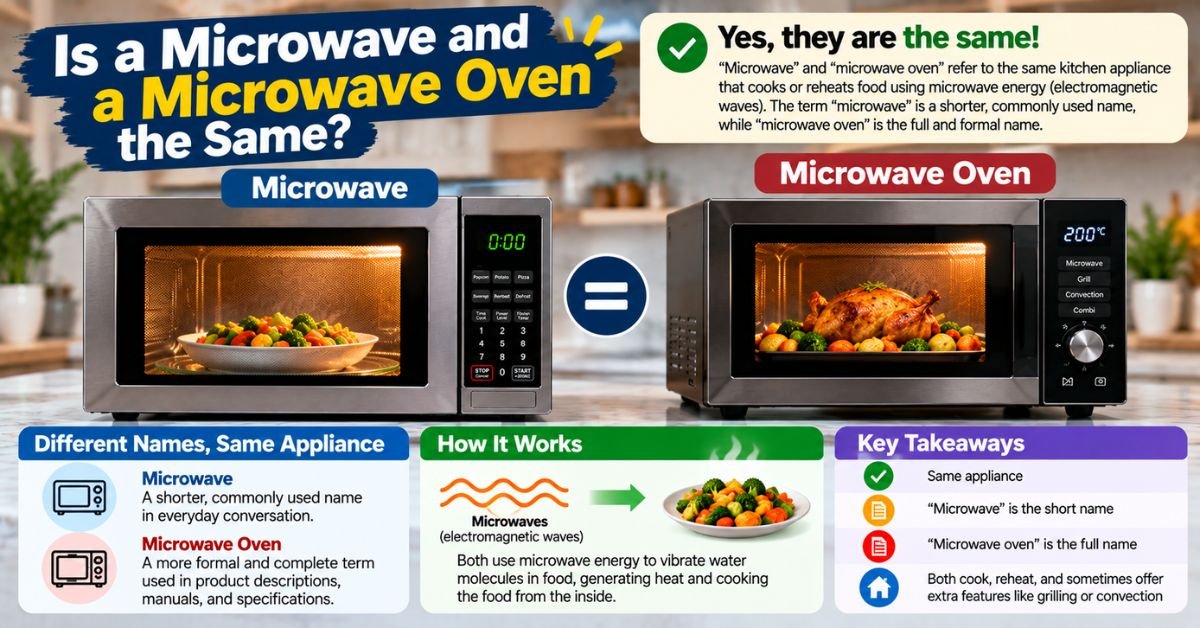
Yes, a microwave and a microwave oven usually mean the same kitchen appliance.
The question “is a microwave and a microwave oven the same” comes from everyday language, product labels, and regional naming habits. In most homes, both terms describe an appliance that uses microwave energy to heat or cook food. However, a few technical and marketing details explain why both names exist. This guide breaks down the difference, cooking methods, safety points, and buying advice in simple terms.

Is a microwave and a microwave oven the same?
Yes, in normal household use, a microwave and a microwave oven are the same thing. Both use electromagnetic waves, called microwaves, to heat food by making water molecules move rapidly.
The word “microwave” is simply a shorter name for “microwave oven.” It is similar to calling a refrigerator a “fridge.” The shorter term is common in conversation, while “microwave oven” is more exact.
When someone says, “Put it in the microwave,” they almost always mean a microwave oven. The appliance may sit on a kitchen counter, hang above a range, or be built into a cabinet.
The question “is a microwave and a microwave oven the same” has one small exception. Some commercial or industrial devices may use microwave energy for drying, heating, or processing materials. These are not always kitchen ovens. For home cooking, though, the two terms are interchangeable.

Source: aeno.com
What is a microwave oven?
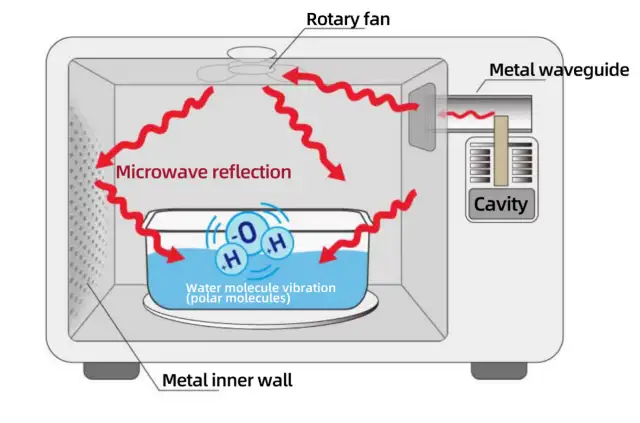
A microwave oven is an electric cooking appliance that produces microwave energy. A part called a magnetron creates these waves, which move through the cooking chamber and interact with certain molecules in food.
Water, fat, and some sugars absorb microwave energy well. As these molecules move, they create heat. This is why soup, vegetables, potatoes, and other moist foods warm quickly in a microwave oven.
Microwave cooking does not heat food in exactly the same way as a conventional oven. A standard oven uses hot air and heated metal surfaces to cook food from the outside inward. A microwave oven sends energy into the food, although the heat still spreads through the food by conduction.
Most household models include several parts:
• A magnetron to generate microwave energy
• A waveguide to direct the energy into the cooking chamber
• A rotating glass turntable or another system to improve even heating
• A control panel for time, power, and cooking modes
• A metal cooking cavity that keeps the microwave energy inside
The metal walls act like a shield. The door also contains a fine metal mesh. It allows you to see the food while helping keep microwave energy inside the oven.

Source: sharpusa.com
How does a microwave heat food?
A microwave oven usually operates at a frequency of about 2.45 gigahertz. This frequency is useful for heating food and is regulated for household appliance use.
Microwave energy does not make food radioactive. It is a form of nonionizing radiation, much like radio waves. Nonionizing energy does not have enough power to change atoms in the way X-rays can.
Here is the basic process:
- You place food in a microwave-safe container.
- The oven creates microwave energy.
- The energy enters the food from several directions.
- Water, fat, and sugar molecules move in response.
- That movement produces heat.
- Heat spreads through the food as it rests.
This process explains why standing time matters. A dish may continue cooking for a short period after the microwave stops. Stirring and resting also help reduce cold spots.
The answer to “is a microwave and a microwave oven the same” becomes clearer when you understand this process. The name changes, but the basic technology remains the same.

Source: smartyhadaparty.com
Microwave versus conventional oven
A microwave oven and a conventional oven can both cook food, but they work in different ways. A microwave uses electromagnetic energy. A conventional oven uses heated air and hot surfaces.
Microwave ovens are usually faster for reheating and cooking small portions. Conventional ovens are often better for browning, roasting, baking, and crisping.
| Feature | Microwave oven | Conventional oven |
|---|---|---|
| Main heat source | Microwave energy | Heated air and heating elements |
| Typical speed | Very fast | Slower |
| Browning | Limited in standard models | Strong browning |
| Crisp texture | Limited | Better for crisping |
| Best uses | Reheating, steaming, defrosting | Baking, roasting, broiling |
| Preheating | Usually not needed | Usually needed |
A standard microwave cannot create the same golden crust as a conventional oven. Browning comes from chemical reactions on the food’s surface, especially the Maillard reaction. Since microwaves heat moist food quickly, the surface may stay soft.
Some combination microwave ovens include convection or broil settings. These models can brown and crisp food more effectively. Even then, the microwave function and the conventional heating function are separate cooking methods inside one appliance.
So, when asking “is a microwave and a microwave oven the same,” remember that the terms refer to the appliance, not every cooking mode it may include.

Source: sharpusa.com
Types of microwave ovens
Not every microwave oven has the same features. The main types are designed for different kitchens and cooking habits.
Countertop microwave
A countertop microwave sits on a work surface. It is often the simplest and most affordable option. It is easy to install and can be moved if you change homes.
This type works well for reheating coffee, cooking vegetables, defrosting meat, and preparing quick meals. Make sure it has enough space around the vents for safe airflow.
Over-the-range microwave
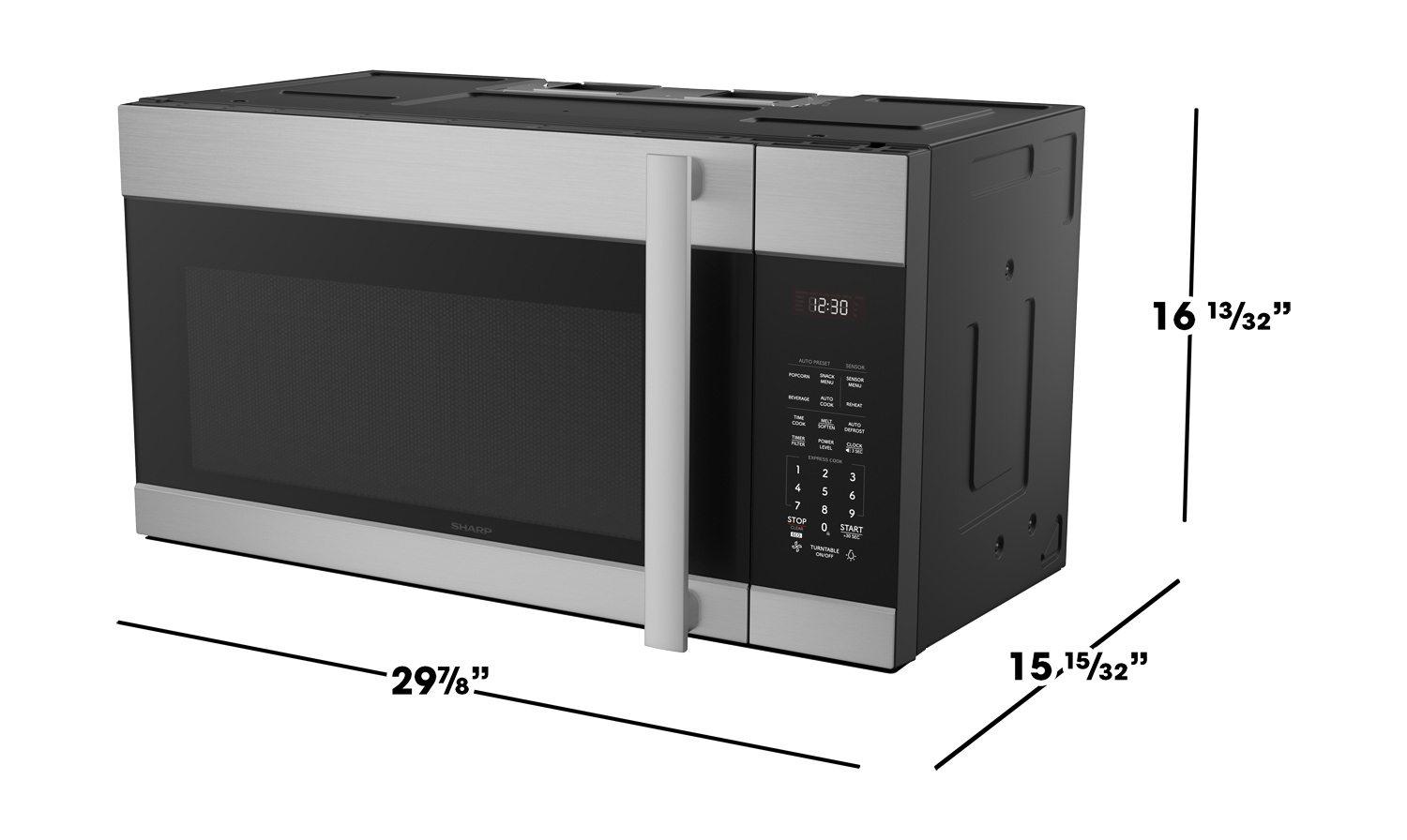
An over-the-range model sits above a cooktop or range. It often includes a light and ventilation fan. This design saves counter space.
Its fan may vent outside or recirculate air through a filter. Installation can be more complex, so follow the manufacturer’s instructions or use a qualified installer.
Built-in microwave
A built-in microwave fits into cabinetry or a wall unit. It gives the kitchen a clean, fitted look. Some models need a special trim kit for proper installation.
Built-in models can cost more than countertop versions. They also need correct ventilation and electrical support.
Microwave convection oven
A convection microwave combines microwave energy with a fan and heating element. It can cook quickly while also browning and crisping food.
This type is useful for small kitchens. It may replace some functions of a regular oven, but it may have a smaller cooking space.
Drawer microwave
A drawer microwave slides out from under the counter. It can be easier to reach than a model installed above eye level. It also keeps the counter clear.
The main drawback is price. Repairs and replacement may also be more costly.

Source: walmart.com
What can you cook in a microwave oven?
Microwave ovens are useful for more than reheating leftovers. They can handle many everyday cooking tasks.
Common uses include:
• Reheating rice, pasta, soup, and casseroles
• Cooking fresh or frozen vegetables
• Steaming fish and poultry in suitable containers
• Softening butter
• Melting chocolate
• Defrosting food
• Cooking baked potatoes
• Warming tortillas and bread
• Making oatmeal
• Heating baby food after careful stirring and testing
Microwave cooking works best when food is arranged evenly. Place thick pieces near the outside of the plate and thinner pieces in the center. Cover food with a loose lid or microwave-safe cover to hold moisture and reduce splatters.
Stir food halfway through cooking when possible. Rotate or turn large pieces as well. These simple steps help prevent one area from becoming very hot while another stays cold.
A useful real-world lesson is to avoid trusting the timer alone. Microwave power varies by model, and food size makes a major difference. Start with less time, check the food, and add short intervals.
Source: sharpusa.com
What a microwave oven cannot do well
A microwave oven is convenient, but it is not perfect for every recipe. Knowing its limits prevents poor results and unsafe practices.
Standard microwave ovens are not ideal for:
• Baking cakes with a firm crust
• Making crisp French fries
• Roasting large cuts of meat
• Browning onions deeply
• Toasting bread
• Cooking food that needs steady dry heat
A microwave may also heat food unevenly. Dense foods, thick sauces, and large portions can develop hot and cold areas. This is why food safety experts recommend stirring, rotating, and checking the center of the food.
The United States Department of Agriculture advises using a food thermometer for foods that require a safe internal temperature. Visual appearance is not always reliable, especially with meat, poultry, and leftovers.
Another limitation is texture. A reheated fried chicken piece may become soft rather than crisp. A conventional oven, toaster oven, or air fryer often gives a better finish.
Microwave safety tips
A microwave oven is safe when used correctly. The most common risks come from unsuitable containers, superheated liquids, sealed food, and uneven heating.
Follow these basic rules:
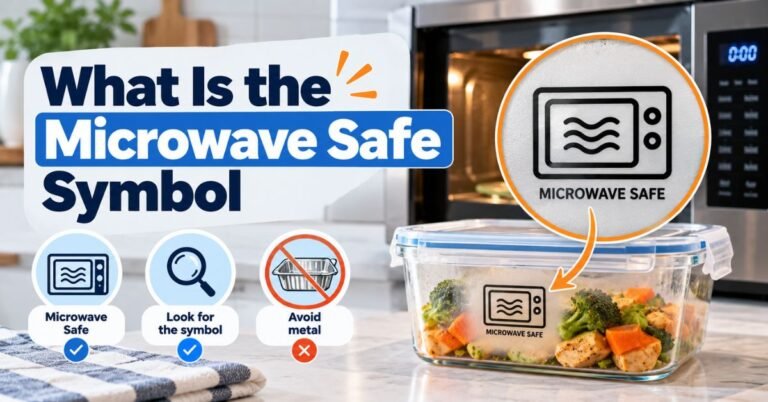
- Use containers marked microwave-safe.
- Never place ordinary metal utensils inside the oven.
- Do not heat food in sealed jars, cans, or tightly closed containers.
- Pierce foods with skins, such as potatoes, before cooking.
- Let heated liquids rest before moving or drinking them.
- Stir food and test the temperature before serving.
- Use oven mitts because containers can become very hot.
- Keep the door, seal, and interior clean.
- Stop using the appliance if the door or door seal is damaged.
Metal is not always automatically dangerous in every microwave situation. Some models allow small amounts of foil under strict instructions. However, metal can cause sparks if it touches the cavity wall or creates an electrical arc. Follow the appliance manual rather than guessing.
Superheated water is another concern. Water can become hotter than its normal boiling point without visibly bubbling. A sudden movement, spoon, or added ingredient may cause it to erupt. Heat liquids in short periods and let them stand before handling.
The answer to “is a microwave and a microwave oven the same” does not change the safety rules. Whether you use the short name or the full name, the appliance needs careful handling.
Microwave-safe containers and materials
The safest choice is a container labeled microwave-safe. Glass, ceramic, and some plastic products are commonly suitable, but not every item made from these materials is safe.
Avoid using:
• Takeout containers that are not labeled for microwave use
• Foam trays and foam cups
• Cracked glass or damaged dishes
• Plastic containers that melt or warp
• Paper products with metallic ink
• Bags that are not designed for microwave cooking
Some plastic containers may release chemicals or deform when exposed to heat. The Food and Drug Administration regulates food-contact materials, but consumers should still follow the label and heating instructions.
A simple test can help identify whether an unlabeled dish may be suitable, but it is not a guarantee. Place the empty dish beside a cup of water and heat them briefly. If the dish becomes very hot while the water remains warm, do not use that dish for microwave cooking. A manufacturer’s microwave-safe label is the better guide.
Never heat an empty microwave. Without food or liquid to absorb the energy, the appliance may be damaged.
Microwave cooking and nutrition
Microwave cooking does not automatically make food less healthy. In some cases, it may help preserve nutrients because cooking takes less time and uses little water.
Water-soluble vitamins, such as vitamin C and some B vitamins, can be lost through long cooking or large amounts of water. Steaming vegetables in a small amount of water may help limit this loss.
Nutrition also depends on the food itself, the cooking time, and the temperature. A microwave does not turn processed food into healthy food, and it does not remove calories or sodium.
Use the microwave to prepare simple foods, such as:
• Frozen vegetables with no added sauce
• Plain oats with fruit
• Baked potatoes with beans
• Steamed fish with vegetables
• Leftovers paired with a fresh salad
Covering food can help retain moisture. It can also reduce splatter and shorten cooking time. Always vent the cover so steam can escape.
Common mistakes to avoid
Many poor microwave results come from small mistakes rather than faulty appliances. Avoiding these errors can improve both safety and taste.
Heating food in a sealed container
Steam expands as food heats. A sealed container may build pressure and burst. Loosen the lid or use a vented cover.
Cooking large portions without stirring
Large amounts of food may heat unevenly. Stir from the outside toward the center, then allow the dish to stand.
Using the highest power for everything
High power is useful for some tasks, but delicate foods may dry out or overcook. Lower power works better for melting, defrosting, and gentle reheating.
Ignoring standing time
Food can keep cooking after the timer ends. A short rest helps heat spread through the dish.
Heating eggs in the shell
An egg in its shell can explode because steam builds inside. Crack the egg into a suitable dish and pierce the yolk before cooking.
Assuming all plastics are safe
Look for a microwave-safe label. If the container melts, smells strange, or changes shape, stop using it.
These lessons also answer “is a microwave and a microwave oven the same” from a practical point of view. The name is less important than understanding the appliance’s power, limits, and safety features.
How to choose the right microwave oven
Choose a microwave based on your kitchen, meal size, and cooking habits. A larger model is not always better if you mainly reheat one plate at a time.
Consider these features:
• Capacity: Small models suit individuals, while larger models help families.
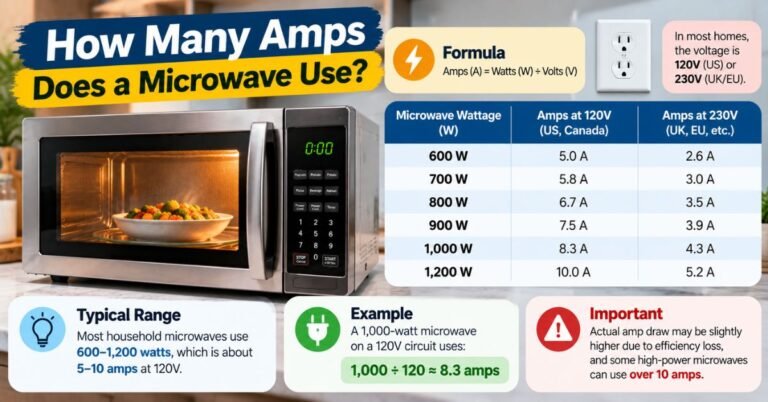
• Power: Many household models range from about 600 to 1,200 watts.
• Sensor cooking: Sensors can stop cooking when food reaches a suitable moisture level.
• Inverter power: Inverter systems may provide steadier lower power for delicate foods.
• Convection cooking: This helps with browning and baking.
• Easy-clean interior: A smooth interior makes spills easier to remove.
• Child safety lock: This can prevent accidental operation.
• Noise level: Some models are quieter than others.
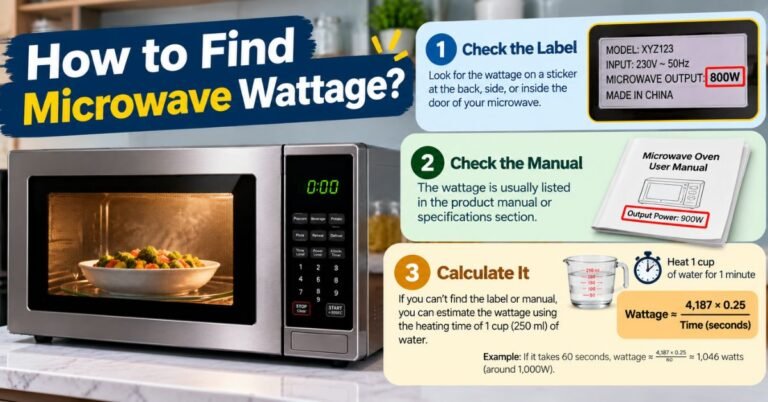
Check the wattage before using a recipe written for another microwave. A recipe designed for a 1,200-watt appliance may take longer in a 700-watt model. When unsure, use shorter cooking periods and check often.
If you only need reheating and defrosting, a basic countertop model may be enough. If you want to bake, roast, or crisp food, consider a convection microwave or keep a standard oven as well.
Frequently Asked Questions: Is a microwave and a microwave oven the same?
Is a microwave and a microwave oven the same appliance?
Yes, the terms usually describe the same household appliance. “Microwave oven” is the full name, while “microwave” is the common short form.
Does a microwave oven cook food from the inside out?
Not exactly. Microwave energy can enter food and create heat in areas below the surface, but heat then spreads through the food by conduction.
Is microwave-cooked food safe to eat?
Yes, microwave-cooked food is safe when you use suitable containers, follow cooking instructions, and heat food evenly. Stir food and check the center, especially when reheating leftovers or cooking meat.
Can you put metal in a microwave oven?
Metal can create sparks and may damage the appliance, so it is best avoided unless the manufacturer specifically allows it. Never let foil or metal touch the oven walls.
Is a microwave oven the same as a convection oven?
No. A standard microwave uses microwave energy, while a convection oven uses heated air circulated by a fan. A convection microwave combines both systems in one appliance.
Does a microwave oven destroy nutrients?
Not automatically. Short cooking times and limited water may help preserve some nutrients, although the result depends on the food, power level, cooking time, and temperature.
Conclusion
A microwave and a microwave oven are usually the same household appliance. “Microwave” is the casual short name, while “microwave oven” is the more complete technical term.
The appliance uses microwave energy to heat food quickly, but it does not replace every function of a conventional oven. It is excellent for reheating, steaming, defrosting, and cooking small portions, while a standard or convection oven is better for browning and crisp textures.
Use microwave-safe containers, avoid sealed foods and unsafe metal, stir food during cooking, and check the center before serving. With these simple habits, you can use your microwave oven with confidence. Explore your appliance manual, try a few safe recipes, and share your favorite microwave cooking tips with others.